






 Portuguese
  Spanish
  4 min of reading
  0 comments


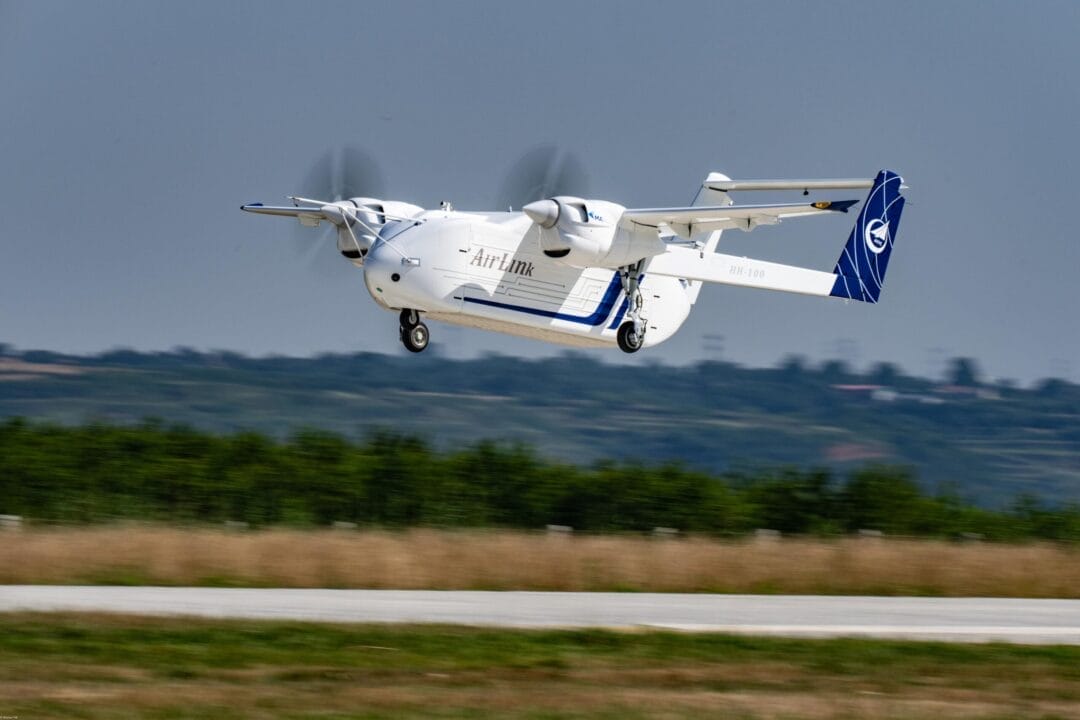
The Air Transport Revolution Has Arrived. With High Cargo Capacity and Autonomy, the Unmanned System Promises to Change Commercial Logistics. Discover the Advantages of This Innovative Transport Method.
The Chinese commercial unmanned air transport system HH-100 has successfully completed its first flight, marking a significant milestone in the industry of air transport. This advancement was announced by the Aviation Industry Corporation of China (AVIC), the country’s leading aircraft manufacturer, and was conducted in Xi’an, Shaanxi province, in northwestern China.


Innovative Air Transport with High Capacity
The HH-100, an innovative air transport system, offers multiple advantages that promise to revolutionize the logistics and distribution sector. Among its highlighted features are low operational costs and high payload capacity, key factors that position it as an efficient and profitable solution for commercial transport. With a maximum takeoff weight of 2,000 kg and a payload capacity of 700 kg, the HH-100 can carry a variety of goods, thereby expanding possibilities in air transport.
The autonomy of the HH-100 is another of its notable characteristics. With a flight range of up to 520 kilometers with its maximum payload, this unmanned transport system is ideal for covering long distances without the need for frequent recharges. This feature is crucial for optimizing logistics operations, especially in hard-to-reach areas where traditional transport may be limited.
-
They wanted artificial intelligence, but they drained the water from a village in Mexico: the water consumption of data centers caused a hepatitis outbreak, and big tech companies Amazon, Microsoft, and Google were forced to halt billion-dollar projects.

-
System created to save lives in disasters turned ‘against’ Brazilians overnight: a hacker attack sent out a false alert from Civil Defense with the word “misantropia” that went off on the phones of half the country, even in silent mode, and took down the Cell Broadcast.
-
In the cold desert of Ladakh, where it hardly rains, engineer Sonam Wangchuk created the ice stupa, a tower that freezes winter water and stores it for irrigating crops in the spring, a simple engineering feat that mimics nature.
-
For the first time in history, solar and wind energy generated more electricity than natural gas worldwide in a single month, April 2026, a milestone in the energy transition that shows renewable sources taking the lead in the global electric system.




Advances in Unmanned Air Transport
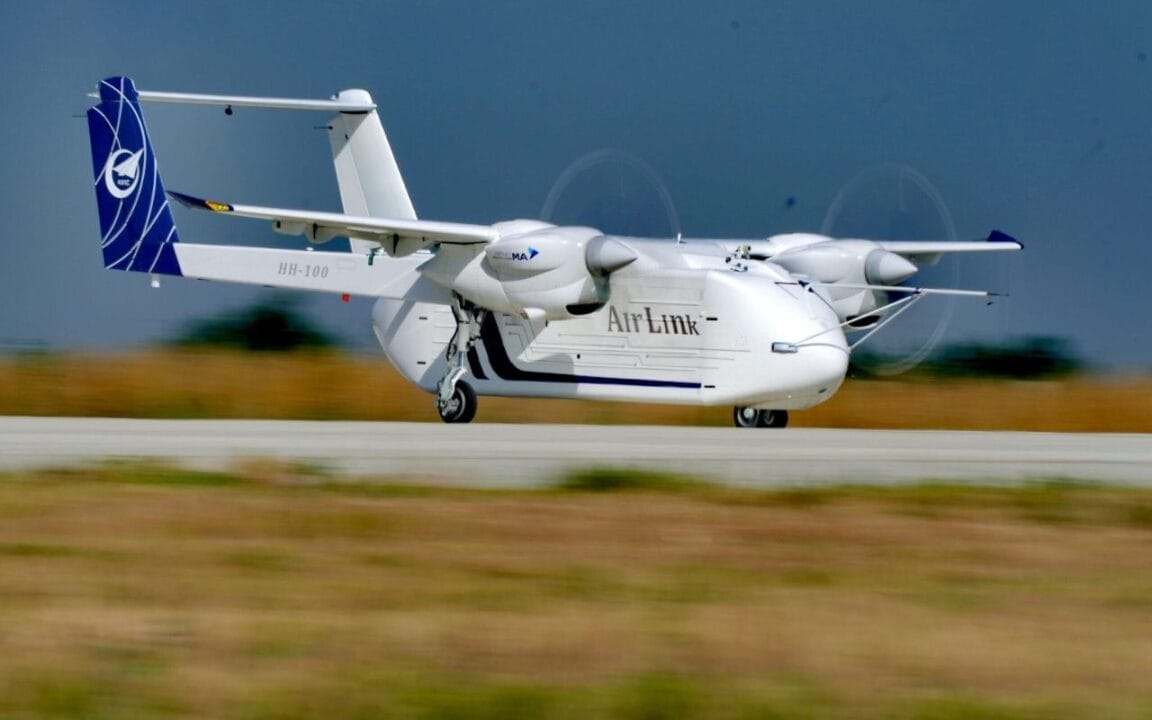
The HH-100 transport system consists of two main parts: an unmanned aerial vehicle and a ground-based command and control station. During its first test flight, the HH-100 demonstrated stable performance, meeting all requirements set by AVIC. The relevant systems of the vehicle operated perfectly, highlighting the reliability and safety of the HH-100 in real air transport operations.
Unmanned air transport is a growing trend, and the HH-100 positions itself as a leader in this field. Its aerodynamic design and the use of lightweight, durable composite materials not only enhance energy efficiency but also ensure its resilience in various weather conditions. Additionally, the high-efficiency electric motors used in the HH-100 significantly reduce emissions and noise, contributing to a more sustainable and eco-friendly transport.
The integration of the HH-100 into existing logistics systems is straightforward, allowing for a smooth and efficient supply chain. This unmanned air transport system is ideal for applications in urban and rural logistics, as well as in emergency situations where rapid transport is crucial. Its ability to operate in remote areas, thanks to vertical takeoff and landing (VTOL) technology, makes it especially useful in mountainous regions, islands, and other hard-to-access areas.
Sustainability and Efficiency
The success of the first flight of the HH-100 is a testament to technological advances in unmanned air transport. The ability of this system to plan and adjust its route in real-time using artificial intelligence, along with its obstacle avoidance and collision detection systems, ensures a safe and efficient flight. These advancements in unmanned air transport not only improve operational efficiency but also reduce logistics costs and minimize downtime.
The HH-100 also has important implications for environmental sustainability. By using electric motors and recyclable materials, this air transport system contributes to reducing the carbon footprint, promoting a more sustainable approach to the transport of goods. This feature is particularly relevant at a time when the transport industry is seeking ways to reduce its environmental impact.
In addition to its capacity for commercial deliveries, the HH-100 can be utilized in critical applications such as medical deliveries, emergency supplies, and rescue operations. The reliability and safety of the HH-100 in these critical situations make it a valuable tool for various industries that rely on fast and efficient transport.
In summary, the unmanned air system HH-100 represents a significant advancement in air transport technology. With its high payload capacity, extended autonomy, and ability to operate in a variety of environments, the HH-100 is set to transform the commercial air logistics industry. The successful completion of its first flight is just the beginning of what promises to be a new era in unmanned air transport, offering efficient, safe, and sustainable solutions for modern logistics needs.
This technological advancement will not only benefit the logistics industry in China but also has the potential to impact air transport on a global scale, establishing new standards in efficiency and sustainability. With the HH-100, the future of unmanned air transport is here, and the possibilities are endless.





Be the first to react!