Portuguese
  Spanish


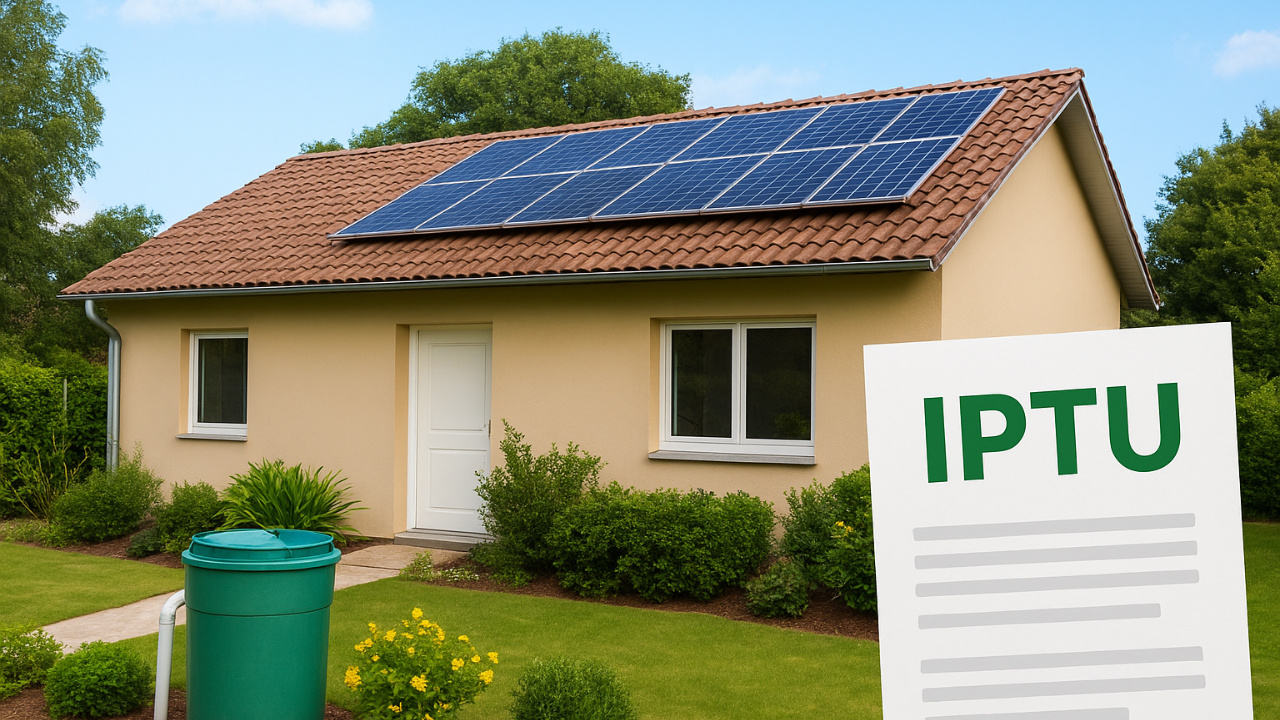

Boa Vista City Council Approves Green Property Tax, Which Grants Discounts on Tax for Residential and Commercial Properties That Adopt Sustainable Practices Such as Solar Energy, Water Reuse, and Green Areas.
Boa Vista advances on the environmental agenda with the approval of Bill No. 26/2025, authored by councilman Bruno Perez (MDB), which establishes the Green Property Tax. The initiative, approved by the City Council this Wednesday (24), offers discounts on the municipal tax to taxpayers who adopt sustainable practices in residential or commercial properties.
According to the legislator, the measure aims to align tax collection with public policies for environmental preservation. “The Green Property Tax is an incentive for more people to participate in this transformation,” Perez emphasized.
How the Benefit Will Work for Taxpayers
The project establishes that the discount will be granted to property owners who can prove the use of technologies and solutions recognized by the municipal government. To access the benefit, the property must be regularized and present documents such as Tax Liability Clearance Certificate, Building Permit, and Occupancy Permit, when necessary.
-
Solar energy reaches 55 GW, becoming the second largest power source in Brazil’s energy mix

-
Solar energy can increase property value by up to 10% and become a selling point.
-
Solar and wind energy surpass natural gas for the first time in the world and accelerate energy revolution

-
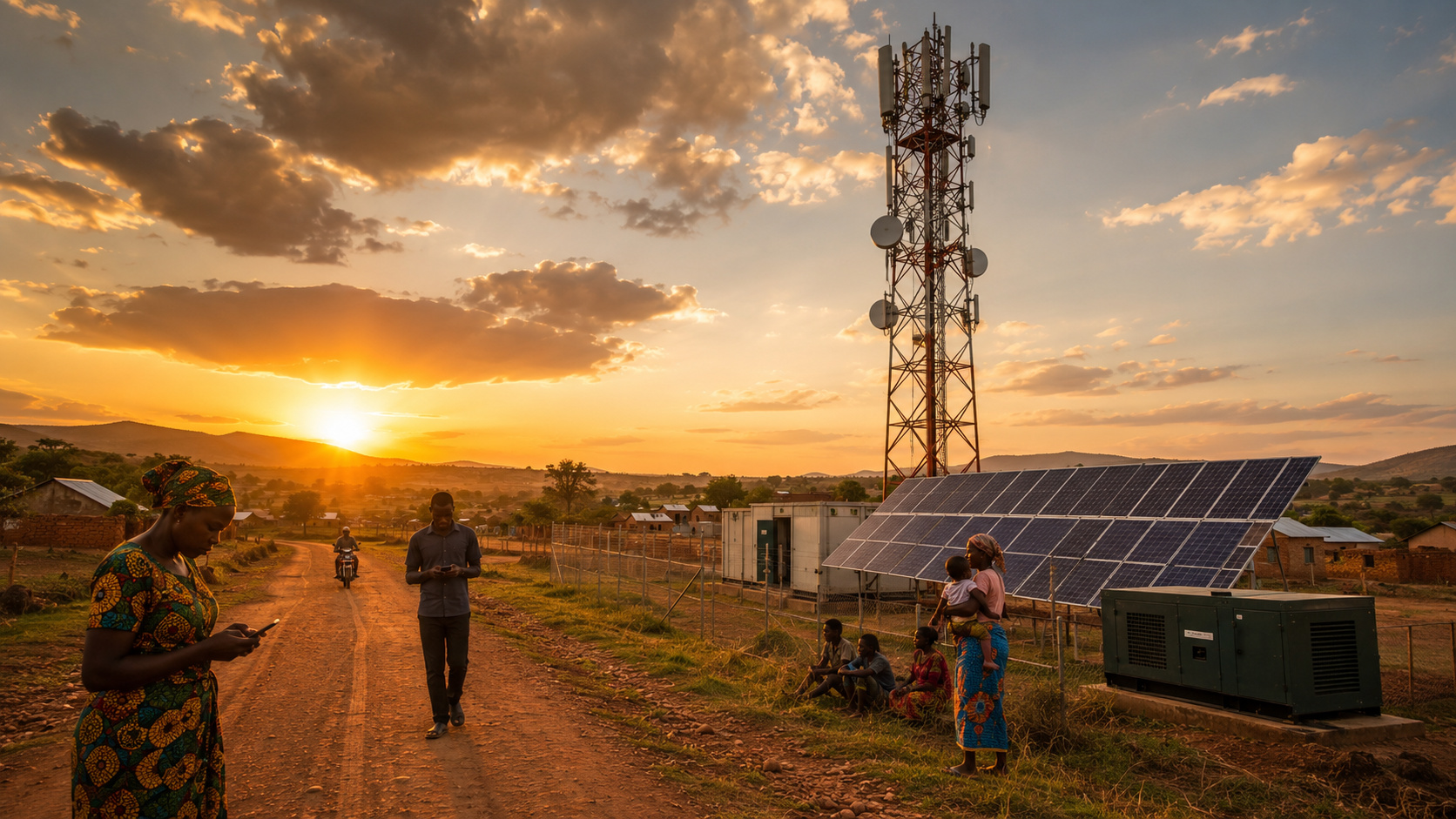
Africa has about 500,000 cell towers and most still burn diesel to operate, while companies rush to cover antennas with solar energy and avoid signal blackouts.

The benefit may be suspended if the taxpayer fails to maintain sustainable practices or becomes delinquent in paying the Green Property Tax.
Sustainable Practices Covered by the Green Property Tax
The approved text lists a series of measures that ensure participation in the program. Among them are:
- Installation of rainwater harvesting and reuse systems;
- Use of photovoltaic solar energy, solar heating, or wind energy;
- Construction with certified sustainable materials;
- Adoption of passive energy, utilizing natural lighting and ventilation;
- Separation of solid waste and encouragement of selective collection;
- Planting trees and preserving green areas;
- Minimum allocation of 30% of the lot for green space;
- Maintenance of vacant lots clean and free of invasive species.
These measures reinforce the idea that the tax discount is more than an economic benefit: it is an incentive for behavioral change and collective commitment to the environment.
According to Bruno Perez, the implementation of the Green Property Tax marks a connection between urban development in the capital and socio-environmental responsibility. For him, sustainability should be seen as a priority, not a luxury.
“With the Green Property Tax, Boa Vista can become a reference in public policies that combine tax justice, environmental responsibility, and quality of life for citizens,” reiterated the councilman.
The regulation of the program will be the responsibility of the Executive Power, which will detail discount percentages and technical criteria for participation.