






 Portuguese
  Spanish


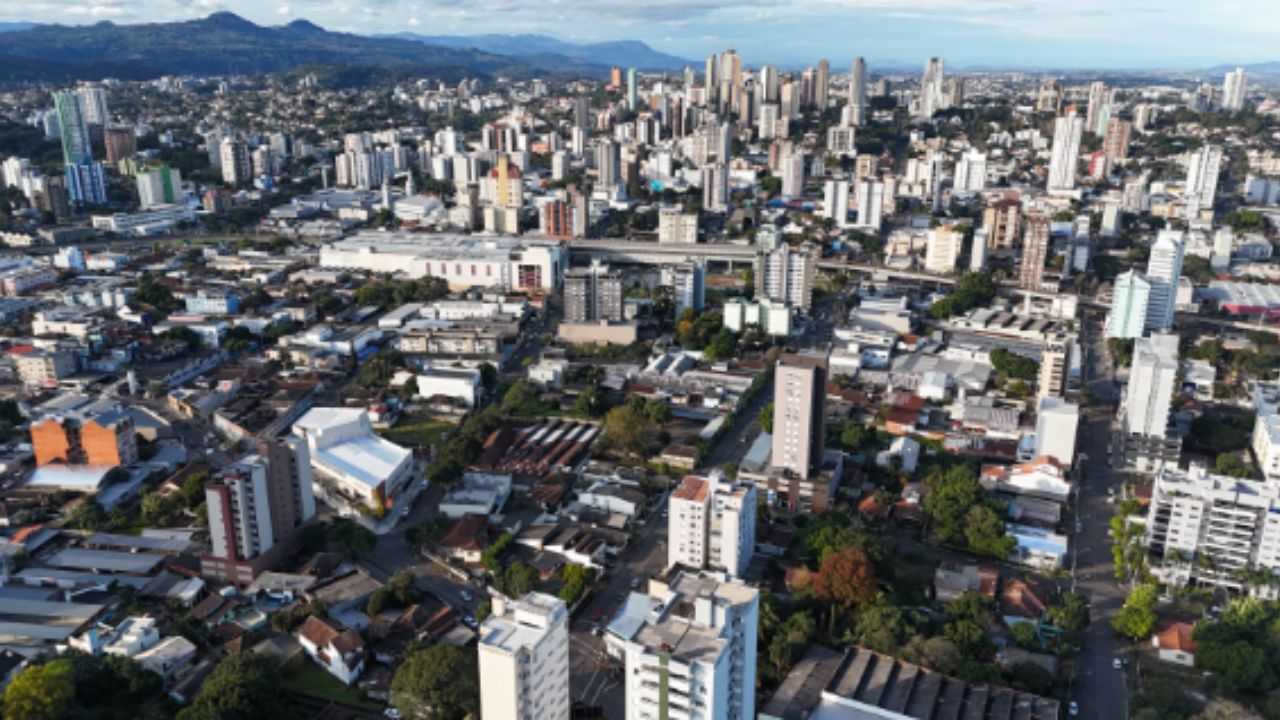
From German Immigrant Shoemakers to the Center of Sector Intelligence, Discover the Journey of the National Capital of Footwear
Novo Hamburgo, in Rio Grande do Sul, is officially recognized as the national capital of footwear. This title is not just honorary; it describes a city whose economy, culture, and even the smell of its streets, marked for decades by the scent of leather and industrial adhesives, were forged by this industry. Since its founding, the city has become the main economic engine of the sector in the country, a reality consolidated over more than a century of work.
The history of Novo Hamburgo is a narrative of German immigration, craftsmanship, and industrial transformation. Studies from the National Confederation of Municipalities (CNM), which supported the official recognition of the city, highlight how the leather and footwear industry became the cornerstone of the local economy. This trajectory not only generated wealth but deeply shaped the urban landscape and the lives of workers, transforming a small settlement into Brazil’s largest footwear hub.
The German Legacy and the Factory Floor
Novo Hamburgo’s vocation for footwear began well before the grandes fábricas. The arrival of the first German immigrants in 1824 brought to the Sinos River Valley the Handwerk – a deep technical knowledge of manual crafts, especially leather tanning and the artisanal manufacturing of shoes. Initially a subsistence activity, the combination of European knowledge with the abundance of local raw material (the leather from the Gaúcho cattle ranching) created the perfect synergy for the emergence of the first workshops.
-
Coca-Cola Shuts Down 100-Year-Old Factory in the U.S., Impacting 85 Workers and Shaking Local Community with Historic Consequences

-
Bianca Andrade Invests $30 Million of Her Own Money in Boca Rosa, Launches Over 100 Products in a Year, Aiming for $400 Million by 2026
-
Belo Horizonte Becomes First Brazilian City to Fund Housing, Utilities for 100 Homeless Families with $900,000 Initiative
-
Brazilian Joins Homeownership Consortium, Faces Decade of Dual Payments Totaling $141,000, Surpassing Traditional Mortgage


Over time, these workshops evolved into industrial production. The transition from craftsmanship to mass manufacturing, marked by pioneers like Pedro Adams Filho in the late 19th century, reconfigured the Hamburguense society. As detailed in analyses from the ANPUH (National Association of History), the emergence of factories created a new social class: the industrial shoemaker. The urban impact was profound, leading to the formation of entire working-class neighborhoods, such as the Working-Class Neighborhood and the Vila do IAPI, planned to accommodate the growing workforce and shaping the city’s geography around production.
The ANPUH also highlights how this industrialization defined labor relations and the community’s identity itself. The life of the worker was dicted by the rhythm of the machines and the sound of factory sirens, creating a sense of belonging and, at the same time, a history of struggle for rights. This collective memory is imprinted in public monuments, reflecting the tension between pride in craftsmanship and the harshness of factory routine, proving that the industry is the soul of the city.
Consolidation as Power and the Role of Trade Shows


The recognition of Novo Hamburgo as the national capital of footwear was solidified by its ability to project itself onto the national and international stage. The turning point was the creation of the National Footwear Fair (FENAC) in 1963. This visionary event transformed the city into a global business center, attracting buyers from around the world and serving as the main showcase for local production, which until then had been focused mostly on the domestic market.
According to the National Confederation of Municipalities (CNM), whose material underpinned the city’s official title, the importance of these fairs and events was crucial in consolidating this identity. They not only generated direct business but compelled local manufacturers to invest in design, quality, and innovation to compete in the most demanding markets in the world. FENAC, along with other fairs in the complex, such as FIMEC, was the driving force behind the “export boom” in the 1970s and 1980s, consolidating the footwear industry as the undisputed pillar of the regional economy.
Reinvention: From the “China Shock” to the Center of Intelligence
The golden era, however, faced its biggest challenge in the 1990s. The economic opening of Brazil and the overwhelming competition from Asian products, the so-called “China Shock”, devastated the local industry. Companies that competed only on labor costs closed en masse, generating a deep unemployment crisis. Novo Hamburgo was forced to reinvent itself to avoid losing its historical relevance.
Survival came through technology and a change of focus. Instead of competing solely in mass production, the city migrated to higher value-added services. Special reports from the ABCMais Portal define Novo Hamburgo’s current status not only as a city of factories but as the “center of footwear intelligence” in Brazil. Today, the region concentrates the entire supply chain, from component and machinery suppliers to design offices and cutting-edge technology.
The Importance of Local Institutions in Processes
The ABCMais Portal also emphasizes the vital importance of local institutions in this reinvention process. FENAC adapted and continues to be an essential business platform. At the same time, IBTeC (Brazilian Institute of Technology for Leather, Footwear, and Artifacts) became fundamental for innovation, conducting quality tests, biomechanics studies, and developing new materials. Industry leaders interviewed by the portal agree: it is this robust infrastructure of knowledge and services that ensures the city’s global relevance and competitiveness today.
The journey of Novo Hamburgo is proof that industrial identity can evolve without being lost. The city that once had its streets filled with the smell of leather now breathes innovation. The national capital of footwear honors its past of immigrant shoemakers while leading the future of the sector in the country, proving that its greatest strength is its capacity for adaptation.
Are you from the region or do you know the history of the footwear industry? What is your strongest memory of this transformation of Novo Hamburgo? Leave your opinion in the comments; we want to know how you perceive the legacy and future of the city.





Be the first to react!