






 Portuguese
  Spanish
  4 min of reading
  0 comments


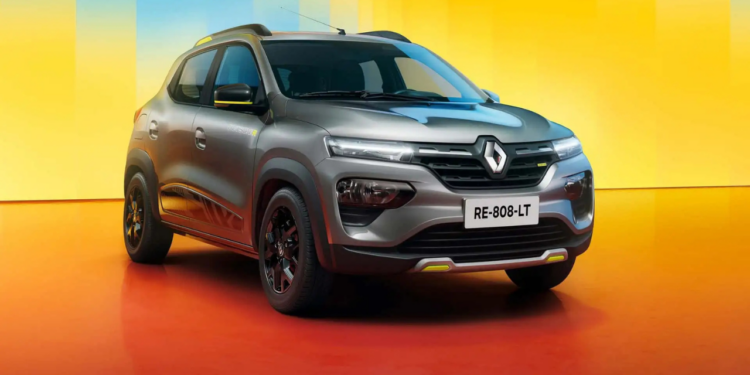
Renault Kwid 2026 Debuts With Surprising Updates, Including a New Top Version and Changes That Impact Design and Equipment. Moreover, the Electric Kwid Promises Visual and Technological News. Discover Everything About the Transformations of This Bold Compact!
Renault Kwid, known as one of the most affordable models in Brazil, arrives renewed for the 2026 lineup with changes that may divide opinions.
Although it did not receive a new design inspired by the Dacia Spring, the subcompact features visual adjustments, new equipment, and an unprecedented top-of-the-line version called Iconic.
The changes are not limited to design. All versions of the Kwid 2026 received two additional speakers in the C-pillar and a USB type C port, replacing the old 12V socket.
-
Chinese Giant Uses Metal Structures and Cranes to Deliver Over 700 Electric Cars to Brazil

-
Uber Faces Shareholder Scrutiny as Board Accused of Ignoring Safety, Compliance, and Harassment Warnings Amid Over 3,500 U.S. Lawsuits

-
Ferrari’s First Electric Car Divides Fans, Priced at $630,000, Amid Concerns Over Limited Editions; Brand Clarifies It’s Not Just for Future Perks
-
BYD Dolphin Mini: The Electric Car That Defies Depreciation, Losing Only 3.58% in a Year and Becoming the Best-Selling Retail Model Under $22,000


Additionally, the color palette now includes the shade Cassiopeia Gray, already used in other Renault models such as the Kardian and the Duster.
Changes in the 2026 Renault Kwid Versions
Renault has reorganized the combustion versions of the Kwid for 2026, which will now be: Zen, Intense, Outsider, and Iconic. Each of these options has undergone adjustments:
- Zen: the entry-level version now only comes with preparation for sound, no longer including the factory radio with Bluetooth.
- Intense: lost the wheel covers that simulated alloy wheels and now adopts the same wheel covers as the Zen version.
- Outsider: which stands out for its adventurous design, replaced the 14″ alloy wheels with Flexwheel covers.
- Iconic: the new top-of-the-line version is the only one to maintain the alloy wheels.
These changes reflect Renault’s trend to cut costs on some versions to offer a more competitive model while adding exclusives in the more expensive configuration.

Updated Visual, But Engine Maintained
Renault made small aesthetic changes to the Kwid 2026. Now, lime green details are present on the front grille, in the mirrors, and, depending on the version, also on the roof rack.
These changes give the vehicle a more modern and sporty look, aiming to attract a young audience.
However, the engine remains the same: 1.0 SCe 3-cylinder, delivering up to 71 hp of power with ethanol and 68 hp with gasoline.
The transmission also did not undergo changes, keeping the five-speed manual transmission.
This choice reinforces the positioning of the Kwid as one of the most economical models in Brazil, with an average fuel consumption that can exceed 15 km/l on the highway.
Kwid E-Tech Is Set to Receive Updates
The electric version of the Kwid, called Kwid E-Tech, is also about to undergo updates.
Recently spotted testing in Brazil, it is expected that the model will adopt a design closer to that of the Dacia Spring, which received a facelift in Europe. Among the expected news are:
- New Y-shaped elements on the rear lights and a black frame connecting both;
- Redesigned interior, inspired by the Renault Kardian;
- Configurable 7″ instrument panel in all versions;
- In the more complete models, a 10″ touchscreen multimedia system;
- Increased trunk capacity to 306 liters.
Additionally, there are expectations for an improvement in the autonomy of the Kwid E-Tech.
Currently, the model offers about 185 km of range on a single charge, a figure lower than competitors like the BYD Dolphin Mini and the JAC e-JS1.
If Renault decides to equip the E-Tech with a more efficient battery, the model could become an even more attractive option for those seeking an affordable electric vehicle.

Prices and Competition in the Market
Renault has not yet disclosed the official prices for the 2026 Kwid lineup. However, based on the 2025 table, we can get an idea of the possible prices:
- Kwid Zen (2025): R$ 77,240;
- Kwid Outsider (2025): R$ 83,270;
- Kwid E-Tech (2025, imported from China): R$ 99,990 on promotion.
With the expected updates, it is likely that the price of the Kwid E-Tech will be adjusted to compete directly with models like the BYD Dolphin Mini, which has a starting price of R$ 118,800.
Meanwhile, the combustion models may maintain prices close to the current ones, to continue being one of the most affordable options in the Brazilian market.
Renault Kwid 2026: Is It Worth It?
The updates to the Renault Kwid 2026 demonstrate that the manufacturer seeks to keep the model competitive, both in the combustion version and in the electric one.
The inclusion of a new top-of-the-line version and the addition of equipment are positive points.
However, the removal of standard items in more affordable versions may displease some consumers.
Moreover, competition with other popular compact cars, such as Fiat Mobi and Volkswagen up! (in the used car market), requires Renault to continue innovating to maintain its market share.
With so many updates, do you believe that the Renault Kwid 2026 will remain one of the most popular cars in Brazil? Comment below with your opinion!


Be the first to react!