






 Portuguese
  Spanish
  3 min of reading
  0 comments


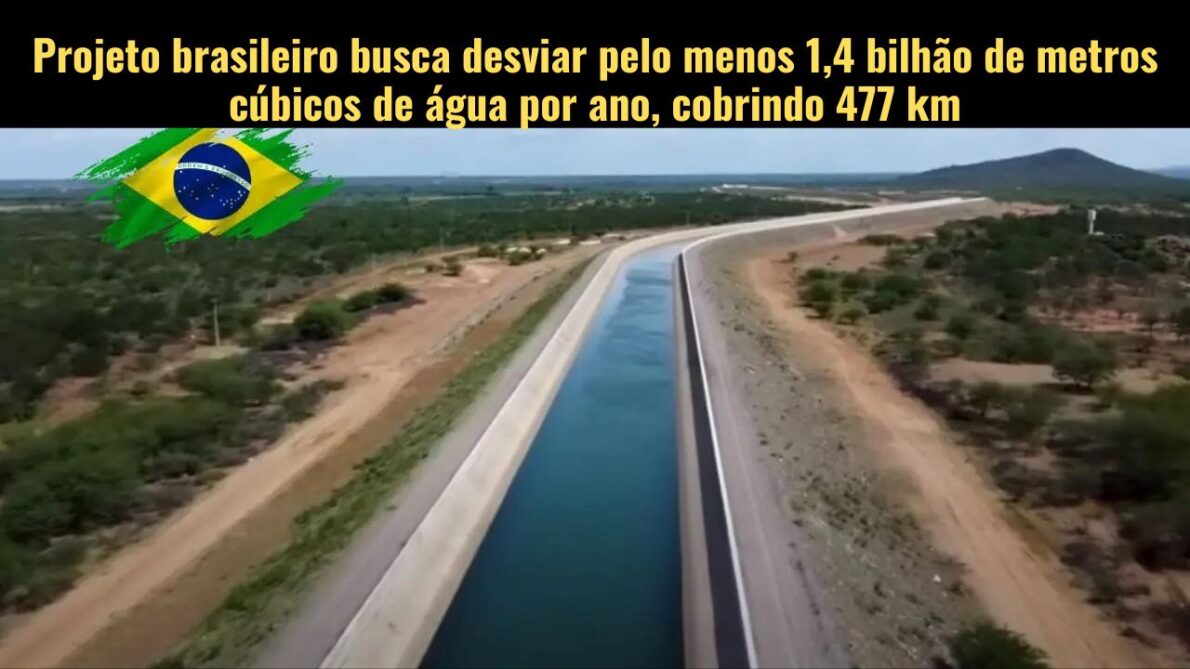
The Transposition of the São Francisco River, A Vital River for the Northeast, Which Houses 28% of the Brazilian Population But Has Only 3% of the Water Supply of the Country, Consists of An Extensive Construction Project of 477 km.
The construction of this project, involving the creation of 13 aqueducts, 9 pumping stations, and 27 reservoirs, represents a milestone in engineering and sustainable development in Brazil. In the heart of the Brazilian semi-arid Northeast, the São Francisco River transposition project, one of the most impressive water engineering endeavors in the country, seeks to alleviate centuries of water scarcity. The initiative aims to benefit states such as Pernambuco, Ceará, Paraíba, and Rio Grande do Norte, regions historically affected by water shortages.
Since the 18th century, the transposition project has been conceived, but it remained on paper until 2007 when it finally began. The construction was motivated by the chronic water crisis that afflicts the region, exacerbated by long periods of drought.
Construction Processes
The construction of the project involved advanced techniques and innovative technologies. The canals, the backbone of the project, were designed to optimize water flow by gravity, with the natural slope of the terrain being a crucial factor. In areas of irregular topography, pumping stations elevate the water to higher altitudes. Various excavation techniques were employed, suitable for the terrain characteristics, using heavy equipment to remove large volumes of soil and rock.
-
Houses made from recycled plastic begin to materialize in Amazonas: government opens pre-registration for vulnerable families, promises free 50 m² homes, and transforms plastic waste into eco-friendly blocks for rapid construction.

-
Giant concrete tubes become futuristic micro-apartments in Hong Kong, with a diameter of 2.5 meters, 9.29 m² of internal space, and a proposal to fit homes where the city almost has no more space to live.

-
The La Galerie Nortis, a real estate launch by developers Cyrela and Nortis in Moema, São Paulo, arrives with apartments featuring 4 suites ranging from 283 to 416 square meters, an estimated gross development value of R$ 765 million, and the proposal to redefine the high standard in the region.

-
Transnordestina sets record by installing 1.69 km of tracks in a single day, reaches 81% completion, and plans to deliver an additional 100 km of railway by the end of June 2026.



The work included the construction of 13 aqueducts, fundamental structures for crossing natural obstacles. These aqueducts used materials such as concrete and geomembranes to prevent erosion and leaks. Additionally, 27 reservoirs were created along the canals, serving as flow regulators and strategic water storage.
Comparison with International Projects
While the Brazilian project aims to divert at least 1.4 billion cubic meters of water per year, covering 477 km, the South-to-North Water Diversion Project in China involves transferring 44.8 billion cubic meters per year, covering 1,200 km.
The transposition faced criticism related to ecological impacts, high costs, and corruption allegations. Despite this, it provided significant benefits, such as improved water supply, a boost to agriculture, and socioeconomic development. However, sustainability and long-term effectiveness issues remain a focus of debate.
The transposition of the São Francisco River, despite its controversies, is a testament to Brazilian engineering, symbolizing hope and transformation for the dry areas of the Northeast. Its ongoing success depends on efficient management and innovative solutions to future challenges, especially in terms of environmental impact and water sustainability. This project reflects Brazil’s capacity to overcome significant challenges and improve the lives of millions, shaping a more sustainable and prosperous future.
The Alteration in Water Flow
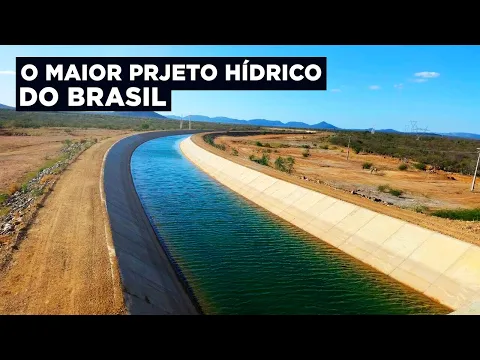

One of the main challenges faced by the transposition of the São Francisco River was the environmental impact that the work caused in the surrounding areas. The alteration in water flow, the creation of new channels and reservoirs, in addition to the diversion of water resources, raised concerns about the preservation of local ecosystems and biodiversity. The project needed to adapt to stringent environmental requirements, seeking to minimize damage to fauna and flora.
To mitigate these impacts, several sustainable solutions were implemented, such as reforestation programs in affected areas, constant monitoring of water quality, and the creation of ecological corridors to facilitate the movement of local fauna. The project includes the participation of indigenous and riverside communities, promoting their integration and respecting their territorial rights.
What is your opinion on this mega engineering project? Do you believe that the sustainable solutions adopted will be sufficient to minimize environmental impacts?





Be the first to react!