Portuguese
  Spanish


Visa survey shows that the 2026 World Cup accelerated Visa purchases in Latin America, with a 30% increase, streaming advancement, and electronics growth. Data reveals fans transforming living rooms into stadiums before the debut, in a movement linked to more intense regional and digital domestic consumption online.
The 2026 World Cup started affecting fans’ wallets even before the ball rolled. According to an analysis by Visa Consulting & Analytics, Visa purchases in Latin America and the Caribbean grew by 30% between April 1 and May 15, 2026, while streaming and electronics gained strength in home preparation.
The survey, released by Exame on June 17, 2026, shows how consumers in the region began to invest in audio, home improvements, and digital subscription services. The intention was clear: to transform the living room into a more comfortable space to follow the World Cup matches.
Fans transformed the home into a meeting point for the World Cup
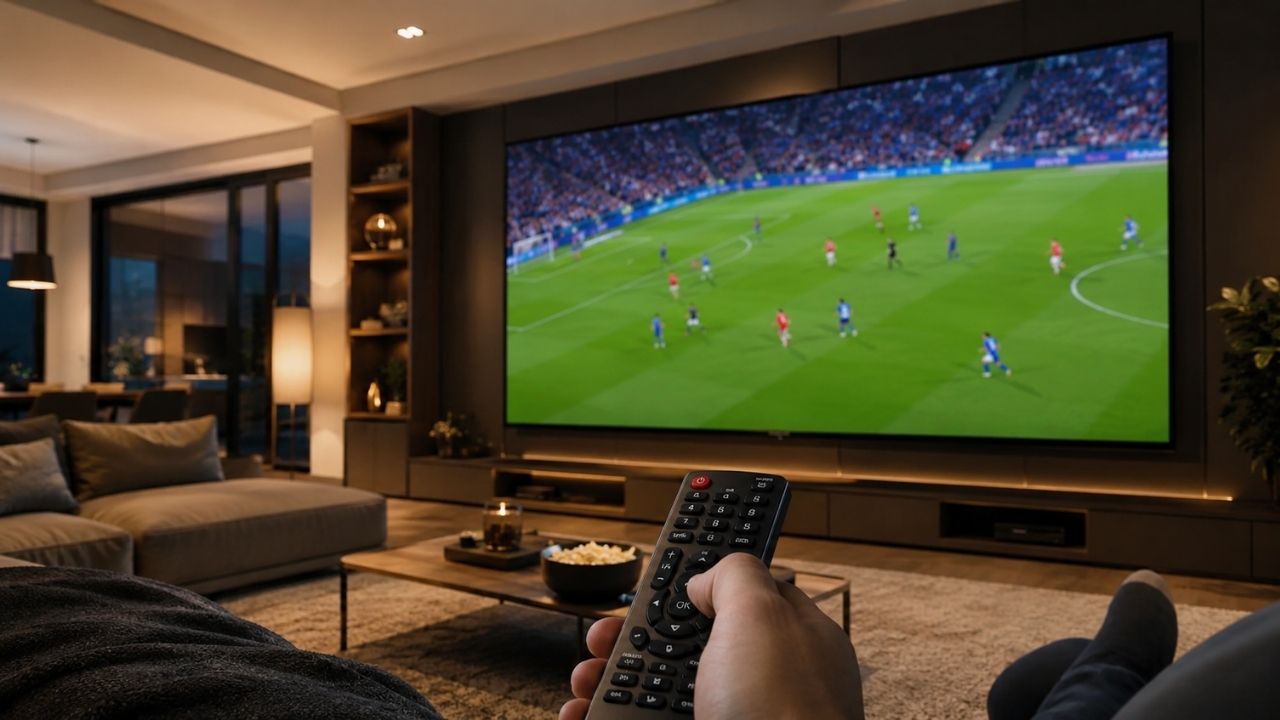
Preparation for the 2026 World Cup was not limited to jerseys, flags, and decoration. Consumption shifted indoors, with fans seeking larger screens, sound systems, and digital services capable of enhancing the experience during matches.
-
Brazil’s BNDES Funded Metro and Steel Plant Projects in Venezuela with Brazilian Support

-
Abandoned Building in Brazil to Become Biotechnology Unit with $10 Million Investment, Bridging Science, Industry, and Public Health
-
Company Offering “Stones to Diamonds” Scheme Sells Ruined Italian Homes to Brazilians for 1 Euro, Disappears with Promised Renovations, Leaving Buyers in Debt to Italian Tax Authorities Until 2028 Without Property

-
Plastic Packaging Drives Santa Catarina Industry to 230% Growth, Aiming for R$ 500 Million by 2030 Amid Sector Crisis, with New Gearless Line Expanding in Southern Brazil to Compete in South America



This movement reveals a change in behavior. The stadium does not disappear, but the living room gains strength as the emotional center of football, especially for families and groups of friends who watch the games together on television or via streaming.
Visa purchases grew by 30% in Latin America and the Caribbean
According to Visa Consulting & Analytics, the analyzed transactions grew by 30% in the region between April 1 and May 15, 2026. The analysis considered countries such as Argentina, Brazil, Colombia, Curaçao, Ecuador, Haiti, Panama, Paraguay, and Uruguay.
The analysis excluded payments via Visa Direct and considered volumes in dollars and local currency. The result indicates that the 2026 World Cup became a consumption trigger before its debut, driving categories related to home entertainment and home preparation.
Streaming surged with the demand for continuous access to games
Digital subscription services recorded a 34.6% increase, according to data cited by Exame. The category includes sports streaming packages and other digital subscriptions, which gained relevance as the tournament approached.
The growth suggests that fans want more than a traditional broadcast. The demand is for quick access, stability, and options to follow every moment without relying solely on conventional programming. In this context, Brazil led the expansion, with a 55% increase in transactions in these categories.
Electronics and home improvements also joined the trend
Purchases of electronics and home improvements grew by 9.4% during the analyzed period. This advance follows the logic of those who decided to invest in larger screens, speakers, audio equipment, and home adjustments to better enjoy the games.
The 2026 World Cup serves, in this case, as an event that anticipates purchasing decisions. The consumer who might have waited for a future promotion now has an immediate reason to upgrade equipment or improve the home environment.
E-commerce reinforced omnichannel behavior
Another relevant data point from the survey is the 36% increase in e-commerce within the analyzed categories. This indicates that fans combined digital and in-person purchases to set up the ideal structure before the start of the World Cup.
The omnichannel behavior shows a more flexible journey. Consumers research online, compare prices, purchase via app, pick up in-store, or receive at home. The preparation for the 2026 World Cup started to mix sports excitement with consumption planning.
Brazil led the advance in digital subscriptions
Among the evaluated countries, Brazil stood out in the growth of transactions related to digital subscription services, with a 55% increase. Panama and Colombia were also mentioned subsequently by the analysis of Visa Consulting & Analytics.
This data aligns with the weight of football in Brazilian daily life. When the World Cup approaches, fans tend to organize their routine, technology, and budget to not miss important games, especially in an edition with strong regional appeal and high audience expectations.
Football became an economic boost before the kickoff
The relationship between football and consumption is not new, but the data shows that the 2026 World Cup has intensified this connection in a measurable way. Before the first match, some fans had already put money into circulation to enhance the experience of following the tournament.
The phenomenon also shows how major sporting events drive sectors beyond sports. Retail, technology, telecommunications, streaming, and home improvements are all part of the same consumption chain. The passion for football turns into a purchasing decision.
The ball hadn’t even rolled yet, but consumption was already on the field
The 2026 World Cup showed that the spectacle begins before the initial whistle. Between April and May, fans from Latin America and the Caribbean were already making purchases with Visa, digital subscriptions, electronics, and improvements to watch the games at home.
The data indicates a clear change: the fan wants to transform the living room into a stadium, with more screen, sound, and connection. Do you also think it’s worth investing in electronics and streaming to watch the World Cup at home, or do you prefer to keep the experience simple without spending more? Share your opinion.