






 Portuguese
  Spanish
  2 min of reading
  0 comments


Historic Project Aims to End the Energy Isolation of the North and Reduce Dependence on Polluting Sources
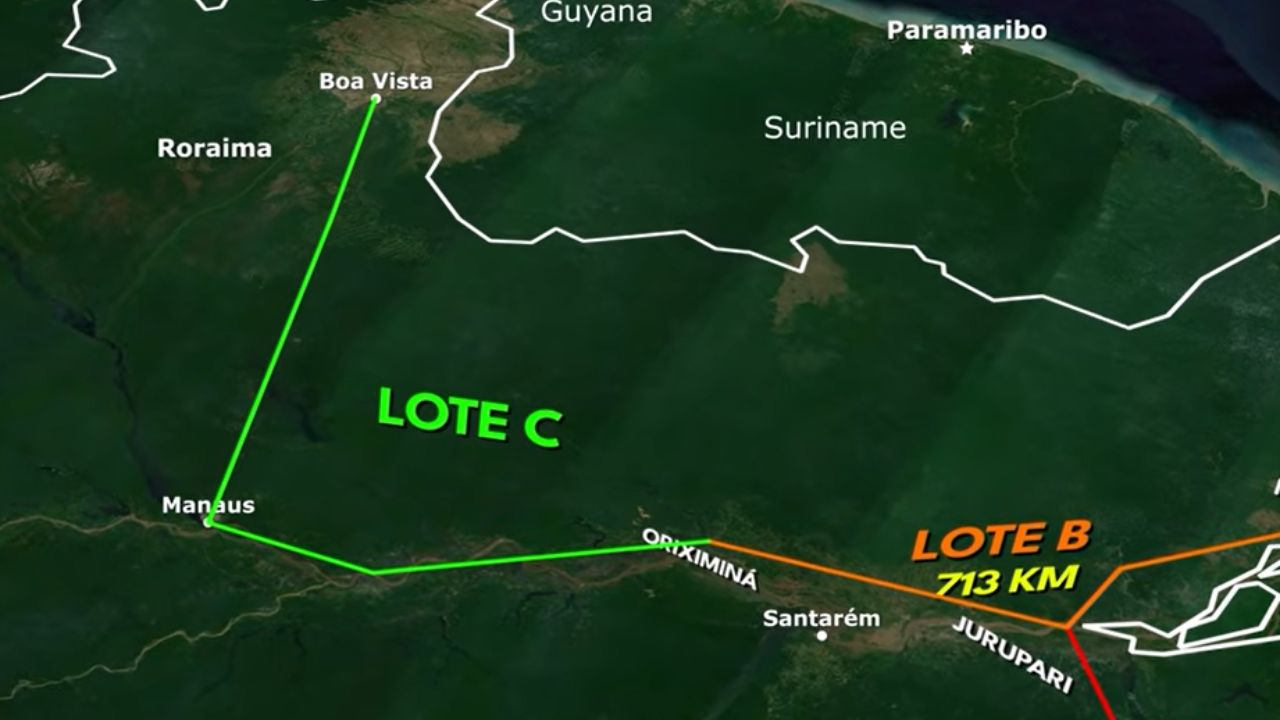
With over 70% of the work completed, the construction of the Tucuruí Power Line is set to connect Roraima to the National Interconnected System (SIN), solving decades of blackouts and instability in energy supply. The structure, spanning over 1,800 km, crosses the Amazon and will definitively link the far north of Brazil to the national electrical grid.
The Importance of Construction for Energy Security in the North
Roraima is currently the only Brazilian state outside the national electrical system. Since 2019, it has depended solely on diesel-powered thermoelectric plants, a costly and highly polluting alternative. The construction of the Tucuruí Power Line emerges as a definitive solution to provide clean, stable, and economical energy to the region. According to Transnorte Energia, the work is expected to be completed by September 2025, with full energization by December of the same year.
Construction Involves Complex Engineering and Innovative Logistical Solutions
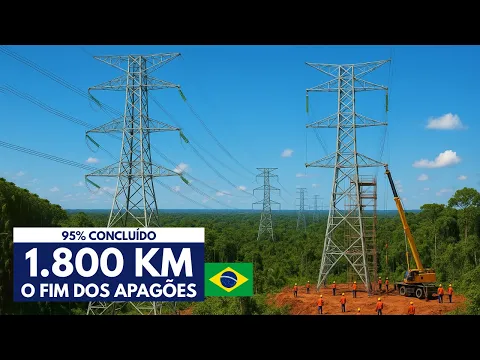

The project includes seven double-circuit transmission lines, totaling about 1,800 km in length and supported by over 3,600 metal towers. One of the biggest challenges was crossing the Amazon River, with spans exceeding two kilometers. In areas of dense forest, helicopters were necessary for transporting parts and manually constructing trails. More than 30,000 tons of galvanized steel were used, according to data from the Urbana channel.
-
Bolivian Female Construction Workers Form Association to Combat Discrimination and 38% Pay Gap in the Industry

-
Near Amsterdam, residents buy land and discover they must also build streets, manage drainage, handle waste, and grow food on half their plot.
-
Brazil’s WEG to Open New Factory in China by 2027, Expanding Production of Large Rotating Electric Machines and Low to Medium Voltage Motors in Rugao

-
Chinese Shipyard Secures $1 Billion in Orders for Low-Carbon Container Ships Amid Global Fleet Renewal Efforts


Environmental, Social Impact, and Connectivity
In addition to providing energy, the Power Line brings connectivity: alongside the high-voltage cables, fiber optic cables were installed, allowing high-speed internet for isolated regions. The project was accompanied by strict environmental licensing and negotiations with indigenous communities, such as the Yanomami and Waimiri-Atroari, respecting traditional territory and legal requirements.
Energy and Economic Transformation for Roraima
The expectation is that the completion of the Power Line will transform the energy landscape of Roraima, which currently relies on over 1 million liters of diesel per day. Integration into the SIN will reduce costs, lessen environmental impacts, and boost economic and social development. For millions of Brazilians in the North, the construction of the Power Line represents more than an engineering project — it symbolizes dignity, security, and the future.





Be the first to react!