






 Portuguese
  Spanish
  4 min of reading
  2 comments


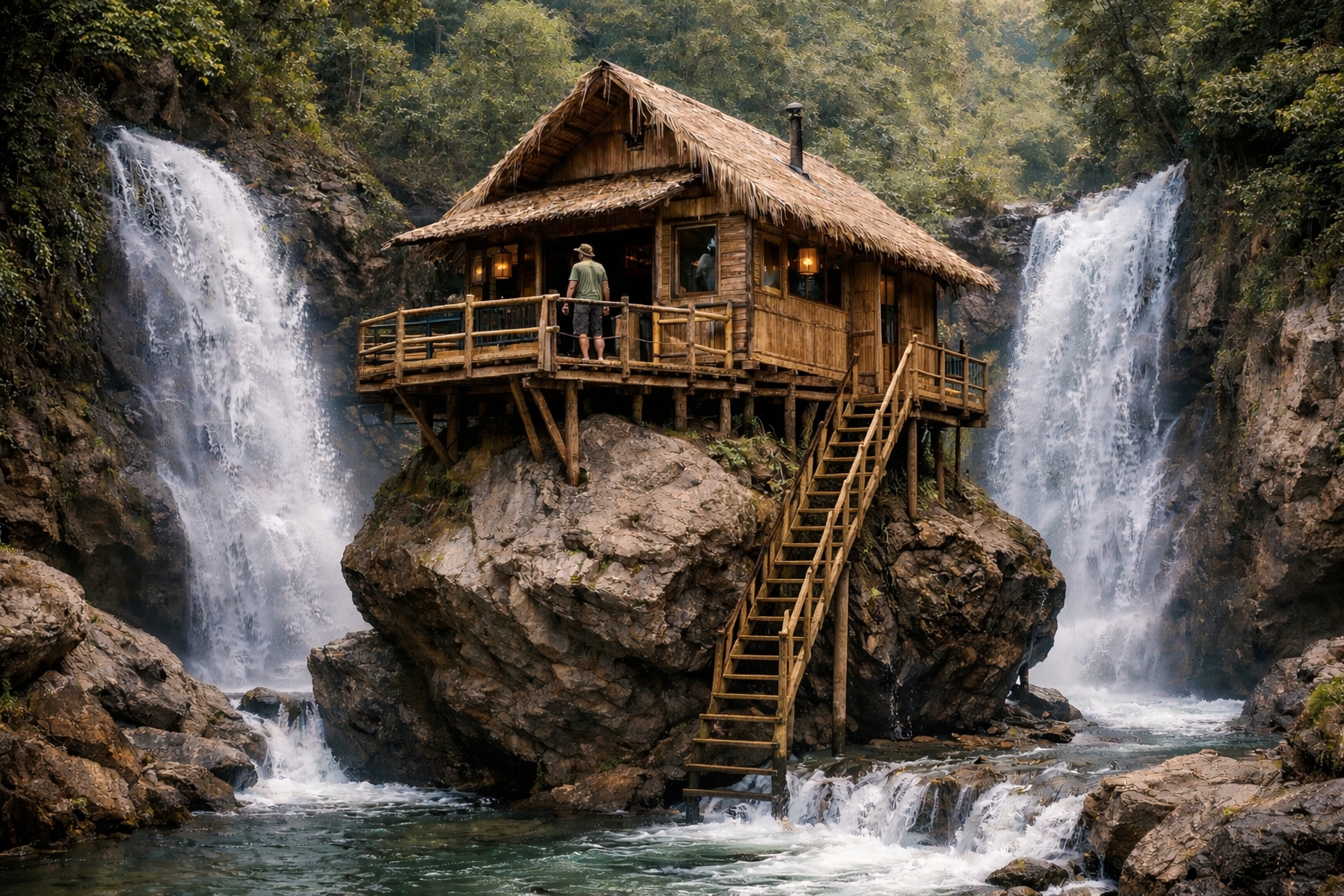


In Area Surrounded By Two Waterfalls, An Elevated Structure On Rock Surprises By Using Wood And Bamboo To Create Functional Housing Protected From Running Water
Living Between Waterfalls Seems Like A Movie Scene. But Here, The Structure Is Real. The House Was Built Right Between Two Constant Waterfalls, Supported Directly On A Large Rock And Surrounded By Running Water On Both Sides.
What Seemed Impossible Has Turned Into Functional Housing. The Cliff Was Overcome With An Elevated Structure, Positioned Above The Natural Flow Of Water. Wood, Bamboo, And Rock Became The Main Allies To Transform A Difficult Access Point Into A Habitable Space.
The Contrast Is Striking. On One Side, The Continuous Force Of The Waterfalls. On The Other, A Sturdy, Organized, And Protected House. And It Is Precisely This Adaptation To The Terrain That Draws The Most Attention.
-
Small pygmy hippopotamus is born in Germany, surprises veterinarians with healthy growth and steals the show at the Berlin Zoo

-
Brazilian mechanic invented a lamp made from a PET bottle during the 2001 blackout, the idea turned into an NGO present in 30 countries and has already illuminated 40,000 people in 200 communities without electricity in Brazil.

-
Centuries-old mystery gains new chapters in Greece after excavations reveal a possible lost temple of Poseidon, hidden among ancient lagoons, monumental remains, ritual objects, and an architectural plan that surprised even the experts.
-
2-month-old baby says “I love you” to parents and the video froze the internet: doctors say most babies only speak after the first year of life




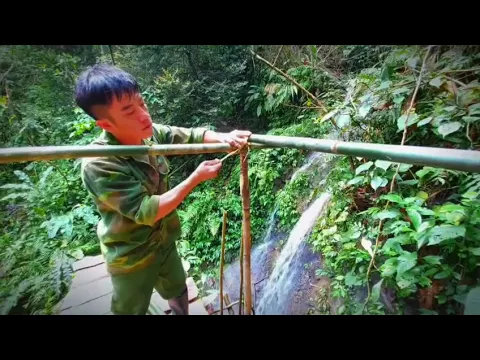

The Base On Rock Transformed Irregular Terrain Into A Stable Structure
The Construction Begins On The Rock Itself. The Surface Was Cleaned And Manually Adjusted Until It Became A Support Point For Wooden Beams. There Was No Deep Excavation. The Rock Took On The Role Of A Natural Foundation.
The Beams Were Positioned Horizontally And Secured With Metal Screws. Then, Vertical Posts Were Fixed To Distribute The Weight Of The House. Each Fitting Was Adjusted Until The Structure Was Firm.
The Impact Was Immediate. By Using The Rock As A Direct Base, The Construction Was Elevated And Protected From The Saturated Soil. This Allowed For The Creation Of A Dry Area Even With Running Water Circulating Around.
The Detail That Draws The Most Attention Is The Proximity Of The Water Flowing Beside The Structure Without Compromising The House’s Stability.
Wood Shaped The Functional Housing Between Waterfalls
With The Base Ready, The Wooden Floor Began To Be Installed. Boards Were Aligned Side By Side Over The Structural Beams, Creating A Continuous Platform.
Next Came The Walls. Wooden Panels Were Fitted Between Posts And Horizontal Beams. The Opening For Doors And Windows Was Maintained From The Beginning, Allowing For Natural Light And Ventilation.
The Change Was Clear. What Was Once An Open Structure Has Turned Into Functional Housing. The House Gained Shape And Protection Even Positioned Between The Waterfalls.
The Wood Maintained A Natural Appearance, With Visible Texture, Reinforcing The Integration With The Surrounding Environment.
Sloped Roof Protects Against The Constant Force Of Running Water

In A Location Dominated By Running Water, The Roof Needed To Fulfill A Strategic Function. Triangular Wooden Structures Were Assembled To Create Sufficient Slope For Drainage.
On Top Of These Sloped Beams, Rigid Panels Were Secured With Screws. The Covering Now Directed The Water To The Sides And The Back Of The House.
The Result Was Surprising. The Interior Remained Protected Even With Constant Splashes From The Waterfalls. The Difference Between The Covered Area And The Exposed Area Is Visible In The Shadow Projected On The Floor.
This Detail Ensured That The House Was Not Just An Impressive Scene, But A Usable Space.
Bamboo Organized The Flow Of Water Between The Two Waterfalls
Another Decisive Point Was The Use Of Bamboo. Hollow Tubes Were Aligned To Capture Part Of The Running Water And Direct The Flow To A Specific Point.
The Segments Were Fitted With Overlapping, Forming A Continuous Channel. The Water Travels Through The Inside Of The Bamboo And Falls In A Controlled Manner Near The Structure.
This Prevented The Flow From Spreading Throughout The Circulation Area. The Space Around The House Became More Organized And Functional.
The Use Of Bamboo Shows Direct Adaptation To The Environment, Taking Advantage Of Natural Material Available To Solve A Practical Problem.
Elevated Stairs Overcame The Cliff And Ensured Safe Access
The House Was Not Isolated. A Wooden Stairs Was Installed Between The Rock And The Elevated Platform.
Steps Were Fixed On Two Side Beams, Following The Natural Slope Of The Terrain. A Side Railing Reinforces Safety Amid Constant Moisture.
With This, The Cliff Was Overcome. Access Became Direct And Functional, Even With Running Water Around.
The Stairs Completed The Structural Set And Transformed The Construction Into A Truly Usable Residence.
The Construction Of This House Between Waterfalls Shows That, With A Correct Reading Of The Terrain And Strategic Use Of Wood, Bamboo, And Rock, Even A Spot Surrounded By Running Water Can Become A Functional, Elevated, And Stable Residence. What Seemed Impossible Became Practical And Visually Impactful.

Would You Have The Courage To Live In A House Like This, Between Waterfalls? Leave Your Opinion In The Comments And Share With Those Who Like Unconventional Constructions.






Eu penso no som da água caindo…Deve ser muito relaxante.
Na primeira chuva forte, a casa seria arrastada pela enxurrada . Morar aí é viver sob constante risco de morte.
Sai fora.