Portuguese
  Spanish


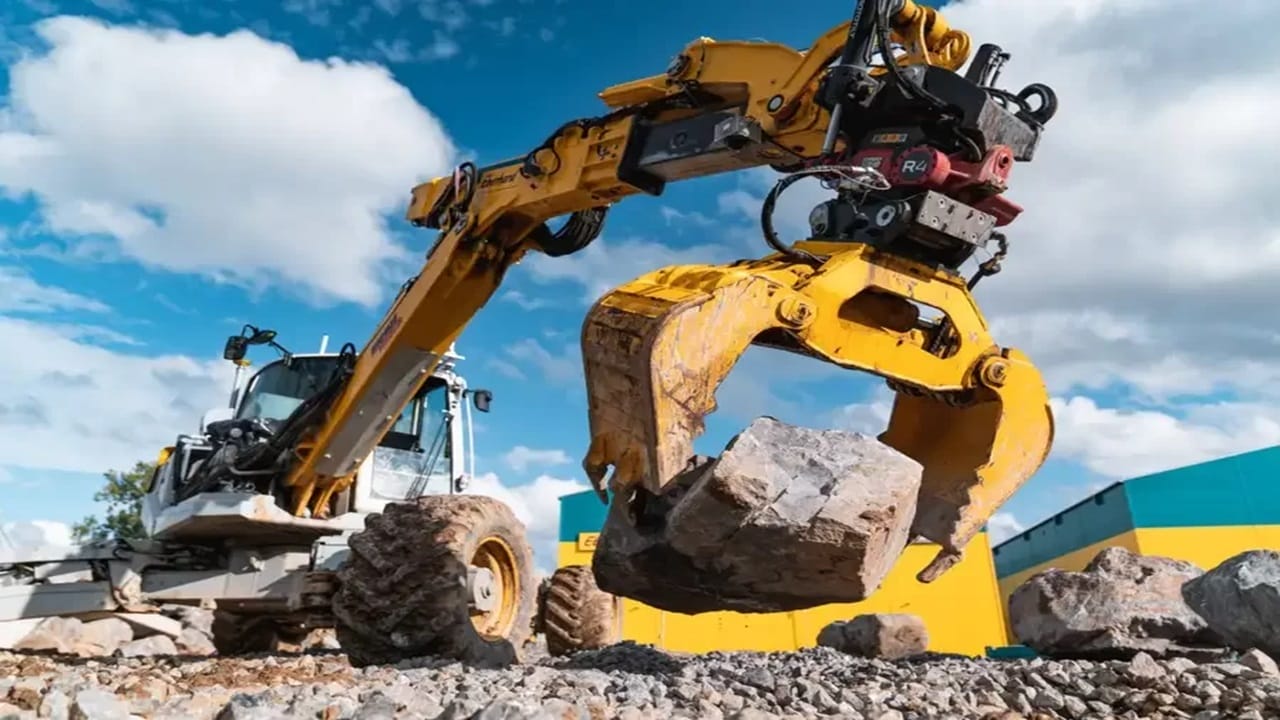

Technology And The Future Of Civil Construction: Autonomous Vehicles Transform Job Sites With Innovative Excavator
Technology has brought a technological revolution in autonomous vehicles that is not limited to the roads, boldly entering the realm of civil construction, according to Olhar Digital. Researchers from the renowned ETH Zurich presented an autonomous excavator named HEAP, capable of constructing an impressive stone wall 6 meters high and 65 meters long without any human intervention.
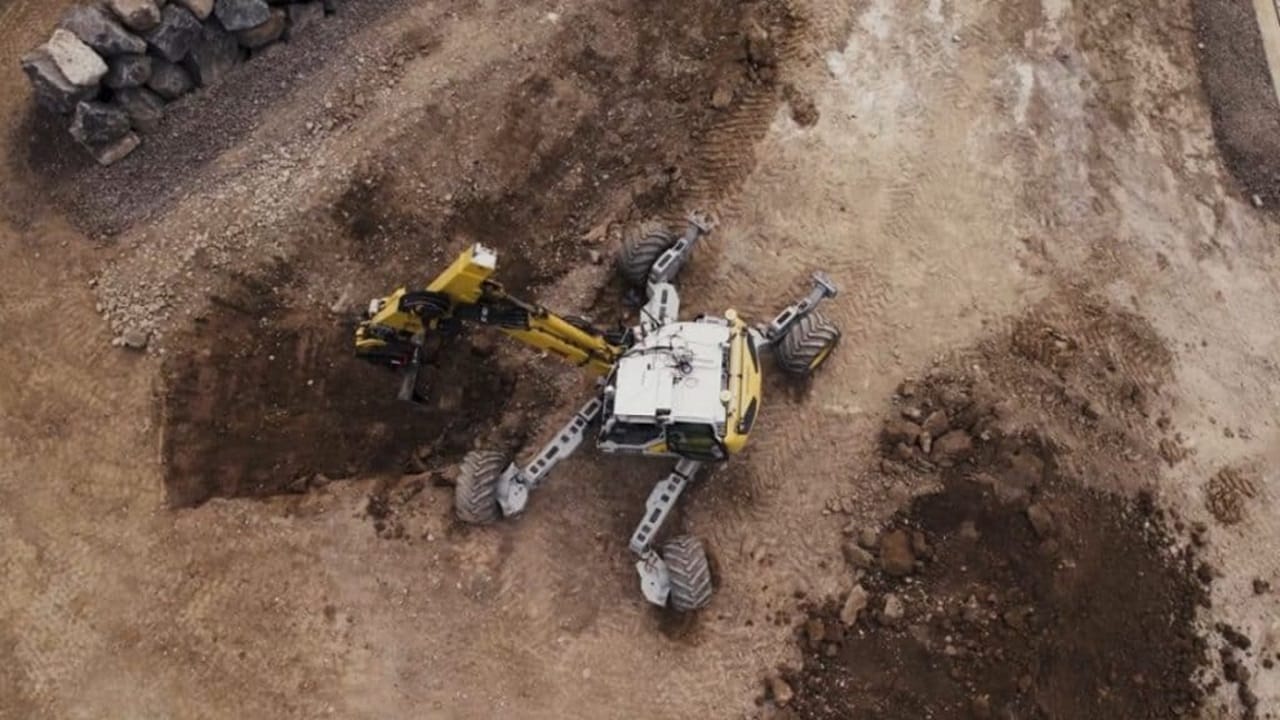
Amazing Machine: Meet The Autonomous Hydraulic Excavator That Redefines Efficiency In Civil Construction
In the testing phase, this extraordinary autonomous vehicle, derived from a modified standard excavator, has proven to be a true technological marvel by autonomously constructing a structure that defies expectations. This technology equipped with advanced GPS and LiDAR sensors, HEAP not only prepares the terrain but also strategically selects and positions stones, eliminating the need for later adjustments.
Limitless Efficiency: Autonomous Excavator, A Step Ahead In Sustainable Civil Construction
The technology powered by a precise combination of algorithms and digital maps, the autonomous vehicle inspects each stone, choosing the best one to perfectly fill the gaps in the wall. Surprisingly, each stone is placed in just 12 minutes, a remarkable feat considering its capacity to transport up to 30 stones at once. This promising technology not only aims to speed up construction but also paves the way for large structures, transforming the landscape of civil construction.
-
New Law in Brazil Requires Breaks for Type 1 Diabetes Management at Work, School, and Public Exams

-
China’s Engineered Bamboo: The “Material of the Future” Stronger Than Steel and a Sustainable Wood Alternative

-
Scientists Confirm “Greening” of Antarctica: Ice on the World’s Coldest Continent Turns Green as Mosses Multiply Over Tenfold in Four Decades
-
Egypt’s “New Nile”: 170 km Artificial River Aims to Turn Desert into Farmland, but Water Supply Concerns Loom


In the future, it is expected that technologies and autonomous vehicles like the excavator will play a key role in optimizing construction processes, standing out as a significant advance toward a more efficient and sustainable. This is just the beginning of a revolution that promises to redefine how we view civil construction and the application of technology in this vital area for urban development.