Portuguese
  Spanish



Construction of Jaconé Port: Investment in Debate
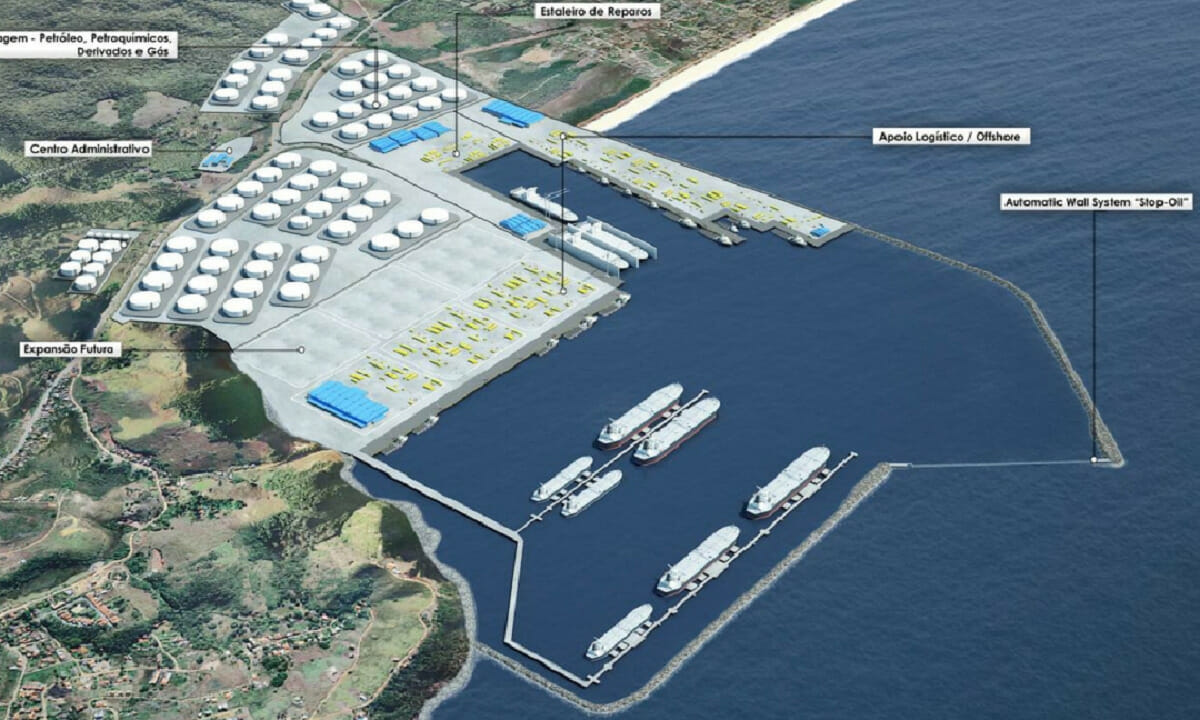
The construction of Jaconé Port, an investment of nearly BRL 2.5 billion for Maricá (RJ), has faced resistance from the so-called “environmentalist dictatorship,” which claims the presence of important sedimentary rocks in the region. To discuss this topic, the Regional Council of Engineering and Agronomy (Crea-RJ) will hold a public hearing at its headquarters in downtown Rio, with experts, professors, and representatives from various sectors to debate the social and environmental impacts of the project with significant investment.
Jaconé Port, officially named Ponta Negra Terminals (TPN), is considered the largest private project in the region, with an estimated 4,000 direct jobs and up to 12,000 indirect jobs from the investments. Its construction, located at Jaconé Beach, aims to become the main anchor for the flow and storage of oil from the pre-salt produced in the region.
Pros and Cons of the Construction of Jaconé Port
The public hearing organized by Crea-RJ will allow discussion between supporters and opponents of the construction of Jaconé Port. The positive aspects of the investment, such as job and income generation, as well as the social and environmental impacts, will be analyzed. Experts will discuss issues related to safety, urban mobility, and environmental impacts, such as possible risks of accidents with ships and sea pollution, affecting fishing and tourism.
-
Why can the crane operator only obey the correct signalman on the construction site: among dozens of workers, a hand raised by the wrong person can confuse the maneuver and turn a load of tons into an immediate risk.

-
What changes with the new public transportation rules that can reduce pressure on fares and pave the way for zero fare in Brazil?
-
Three Chinese companies manufacture more than 96% of the world’s dry cargo containers and 100% of refrigerated ones, in a dominance built over 40 years that has made it almost impossible for the West to compete in this market.

-
Argentina confirms Belgian giant to lead strategic Paraná River waterway and promises to reduce logistical costs on one of South America’s most important routes

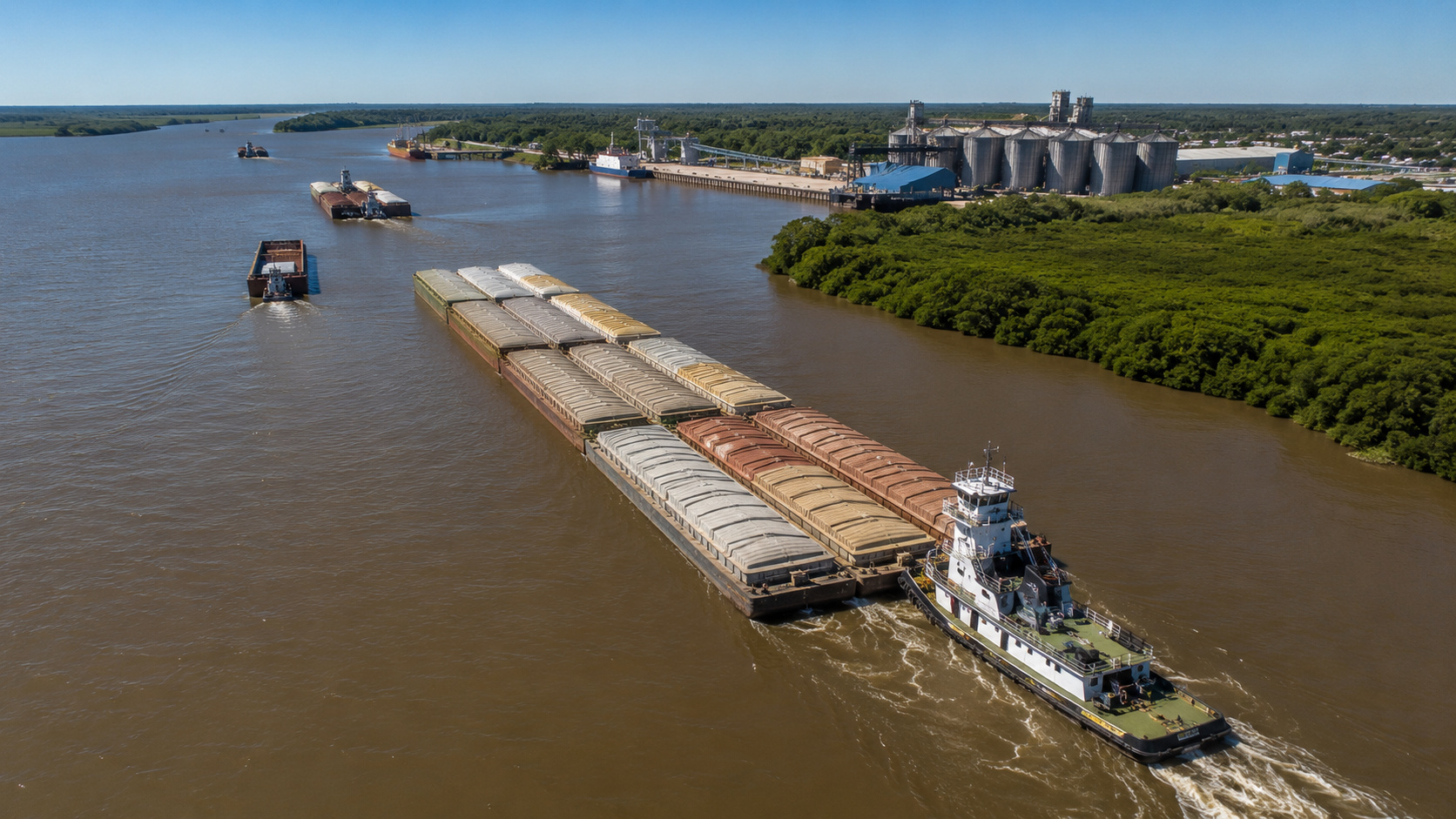
The region chosen to host the port is characterized by the presence of important sedimentary rocks, known as beachrocks. The possible impact on these rocks from the construction of Jaconé Port is one of the concerns raised by opponents of the project. In addition, issues related to safety, urban mobility, and environmental preservation will also be discussed during the public hearing.
Future Prospects and Investments
The Ponta Negra Terminals (TPN) project was initiated in 2011 when DTA Engenharia acquired the area at Jaconé Beach. With the necessary licenses obtained, the company was authorized to begin construction in February of this year. Additionally, a resolution for the construction of a freight railway was published in the Official Gazette in May, aiming for the connection of Jaconé Port to the national railway network. The total investment is estimated at around BRL 2.45 billion.
Ultimately, it is evident that the construction of Jaconé Port is an investment that sparks heated debates about the social and environmental impacts in the region. While supporters point to job creation and economic development, opponents raise concerns about environmental preservation and the risks associated with the project.
The public hearing promoted by Crea-RJ is an opportunity to analyze the pros and cons of this investment, seeking a balance between development and preservation. The decision on the future of the construction of Jaconé Port will depend on the careful analysis of the involved impacts and the search for sustainable solutions for the region’s growth.