






 Portuguese
  Spanish
  2 min of reading
  0 comments


Wall infiltration is a common problem in many constructions, but now, with modern and effective techniques, it is possible to solve it once and for all. In this guide, we will show you the step-by-step process to definitively eliminate infiltration, whether it comes from the ground or other sources.
Wall infiltration, a frequent issue in construction, can be resolved by following a detailed and effective process devised by the mason. The first step is to identify the source of the infiltration, which may be due to rising damp from the soil or due to excessive water exposure in external areas. In the case of moisture coming from the soil, it is essential to address the root of the problem.
The process begins with the removal of the baseboard and the scraping of the paint and plaster damaged by moisture. This step is crucial to prepare the surface for effective waterproofing. Next, it is necessary to meticulously clean the area to ensure the adhesion of the products that will be applied.
Waterproofing Is the Heart of the Process
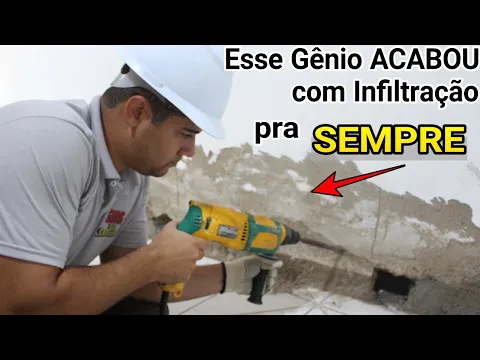

The mason recommends using a high-quality liquid membrane, such as Axton, which offers robust protection against infiltration. This membrane is applied directly over the concrete or firm mass at the base of the wall, creating an effective barrier against moisture. It is important to apply at least two coats to ensure complete and efficient coverage.
-
India assembles two giant tunnel boring machines weighing over 3,000 tons to dig the country’s first underwater railway tunnel, with 7 km under Thane Creek and high-speed train tracks running up to 114 meters deep.

-
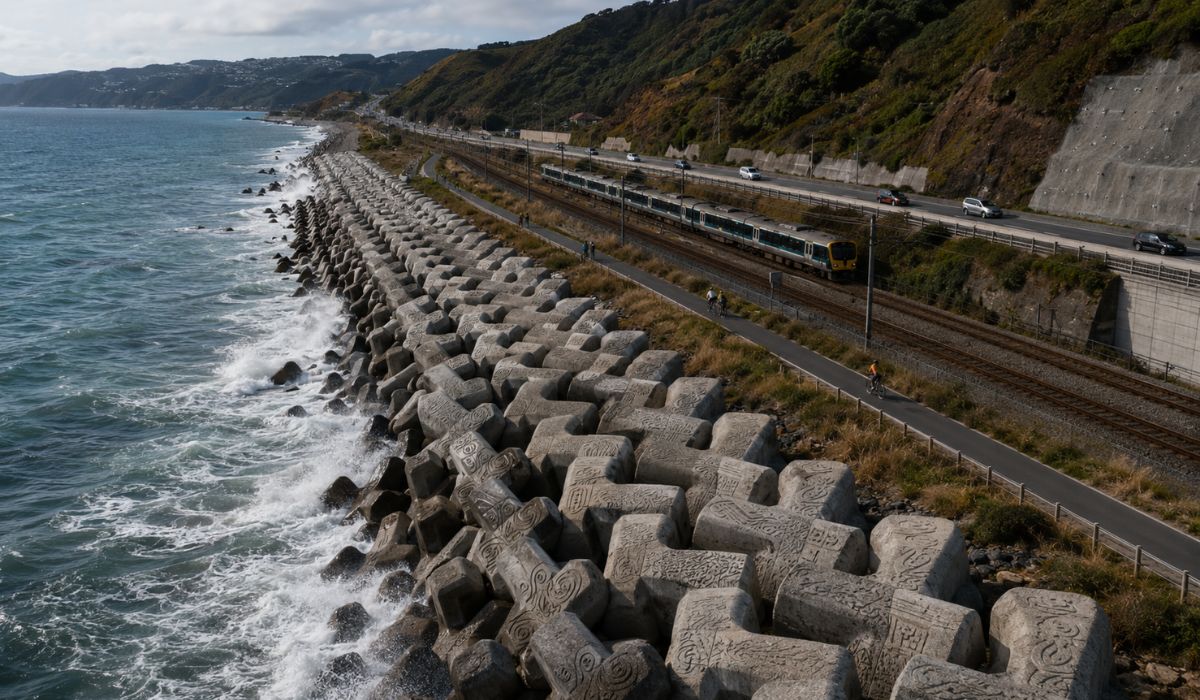
New Zealand aligns nearly 7,000 X-shaped concrete blocks like puzzle pieces to protect railway, highway, and cycle path against waves, erosion, and earthquakes on one of Wellington’s most sensitive coasts.
-
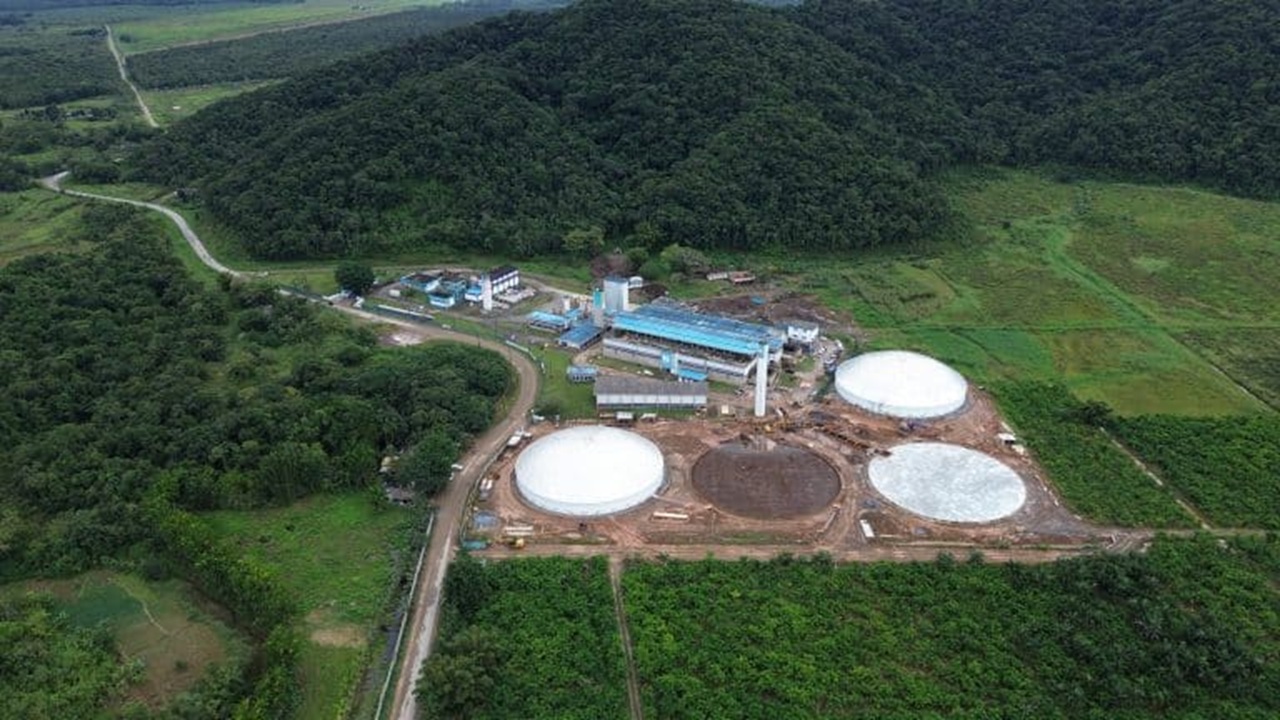
Baixada Santista receives water reservoirs worth R$ 84.6 million in Itanhaém with 20 million liters to reinforce the supply for 1.2 million residents in five cities.

-
A river buried under a highway became an urban park in Seoul after a multimillion-dollar project at Cheonggyecheon, attracting 64,000 visitors per day, increasing biodiversity by 639%, and showing why cities are replacing concrete with water and green areas.


After the liquid membrane dries, a AC3 mortar is applied over the treated area. This step serves as a bonding layer between the waterproofing membrane and the final plaster. After the mortar, a layer of plaster is applied to level the wall and prepare it for the final finish.
Finally, it is essential to wait for the complete drying of the plaster before proceeding with painting or the application of the baseboard. This method not only solves the infiltration problem but also prepares the wall for an aesthetic and durable finish.
Wall infiltration, a common challenge in construction, can be effectively eliminated with the correct steps for diagnosis and treatment. Using quality materials and following the detailed process, it is possible to ensure that the walls remain dry and free from moisture damage. This method not only addresses the existing problem but also prevents future infiltrations, ensuring the longevity and structural integrity of the construction.





Be the first to react!