Portuguese
  Spanish



Benefit Will Inject R$ 369 Billion into the Economy, But Workers Should Be Cautious: The Bite of the Lion and the INSS Happens All at Once in This Final Stage
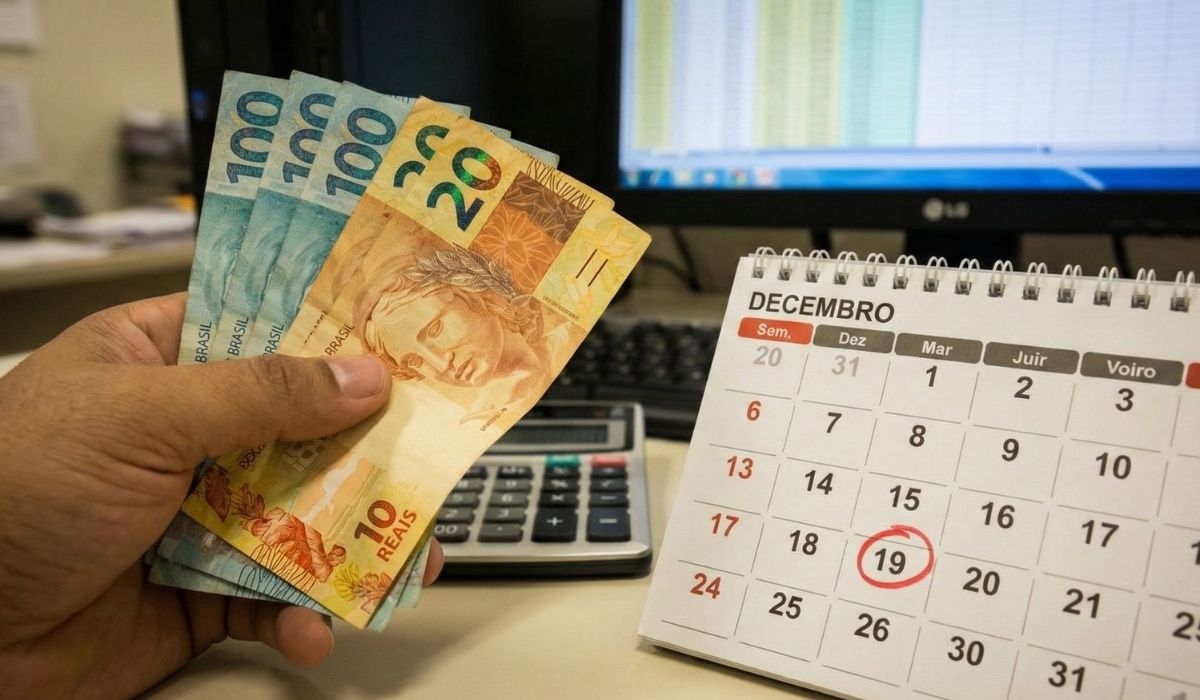
Attention, signed workers: the deadline for the deposit of the second installment of the 13th salary is running out. As reported by Agência Brasil, companies have until next Friday, December 19, to make payments to around 95.3 million Brazilians.
Although it is a moment of financial relief, it is common for many to be startled when looking at their bank statement. Unlike the first installment (paid by November), which is deposited in full, this second stage incurs all the tax deductions provided by law.
Why Is the Amount Lower Now?
Workers need to prepare their budgets knowing that the amount deposited will be less than the 50% received previously. This happens because the taxation of Income Tax (IR) and the contribution to INSS apply to the total amount of the benefit but are deducted entirely in this second installment.
-
Brazil’s BNDES Funded Metro and Steel Plant Projects in Venezuela with Brazilian Support

-
Abandoned Building in Brazil to Become Biotechnology Unit with $10 Million Investment, Bridging Science, Industry, and Public Health
-
Company Offering “Stones to Diamonds” Scheme Sells Ruined Italian Homes to Brazilians for 1 Euro, Disappears with Promised Renovations, Leaving Buyers in Debt to Italian Tax Authorities Until 2028 Without Property

-
Plastic Packaging Drives Santa Catarina Industry to 230% Growth, Aiming for R$ 500 Million by 2030 Amid Sector Crisis, with New Gearless Line Expanding in Southern Brazil to Compete in South America




Therefore, the calculation is made by subtracting the advance already paid and the taxes owed.
Billion-Dollar Injection into the Economy
According to data from the Inter-Union Department of Statistics and Socioeconomic Studies (Dieese), the benefit will have a huge impact on the national economy this year-end, injecting approximately R$ 369.4 billion. The estimate is that the average amount received per worker, combining both installments, will be around R$ 3,512.
Who Receives and Who Is Left Out?
All active workers who have worked with a signed contract for at least 15 days during the year are entitled to receive the payment.
- 15-Day Rule: The month only counts towards the calculation if the employee has worked 15 days or more. Unjustified absences can reduce the final amount.
- Retirees and Pensioners: For INSS beneficiaries, the calendar was different. The government anticipated payments in the first half (between April and June), so this group does not receive extra amounts now in December.
- Leave and Absence: Workers on maternity leave or absent due to illness/accident are also guaranteed the right.
In the case of dismissal without just cause, the payment is made proportionally at termination. Those dismissed for just cause lose the right to the benefit.