Portuguese
  Spanish


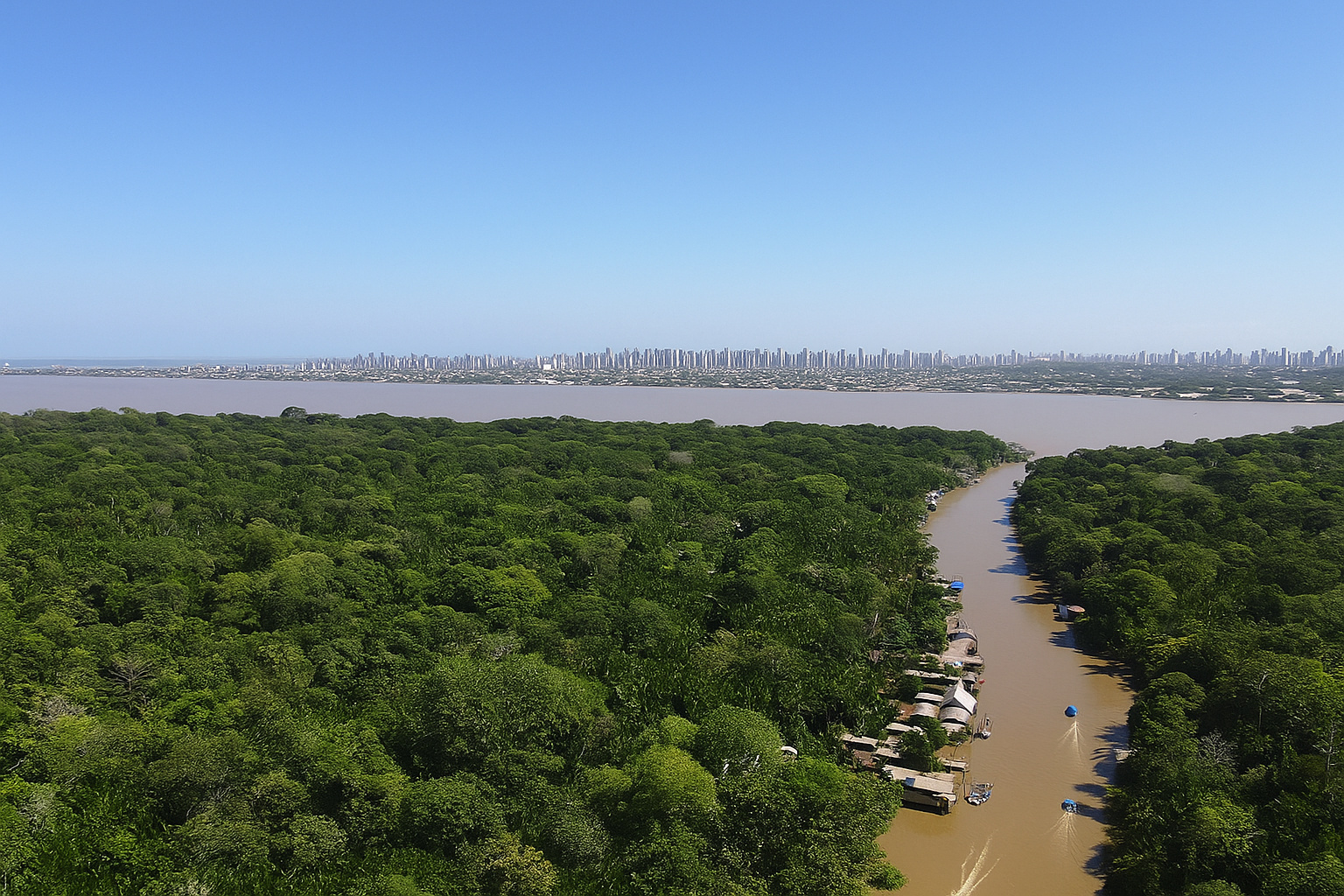

Lula Focuses on TFFF and Energy Transition at Leaders’ Summit, Strengthening Climate Goals and International Cooperation at COP30.
The COP30, United Nations conference on climate change, promises to mark a pivotal moment in global discussions on environment, climate, and energy.
Furthermore, before the official start of the event, Belém will host the Leaders’ Summit, bringing together 143 delegations, including 57 heads of state or government.
Thus, this preliminary meeting serves as a strategic moment for discussing energy transition at the leaders’ summit, setting the agenda and guiding negotiations that will extend throughout the conference.
-
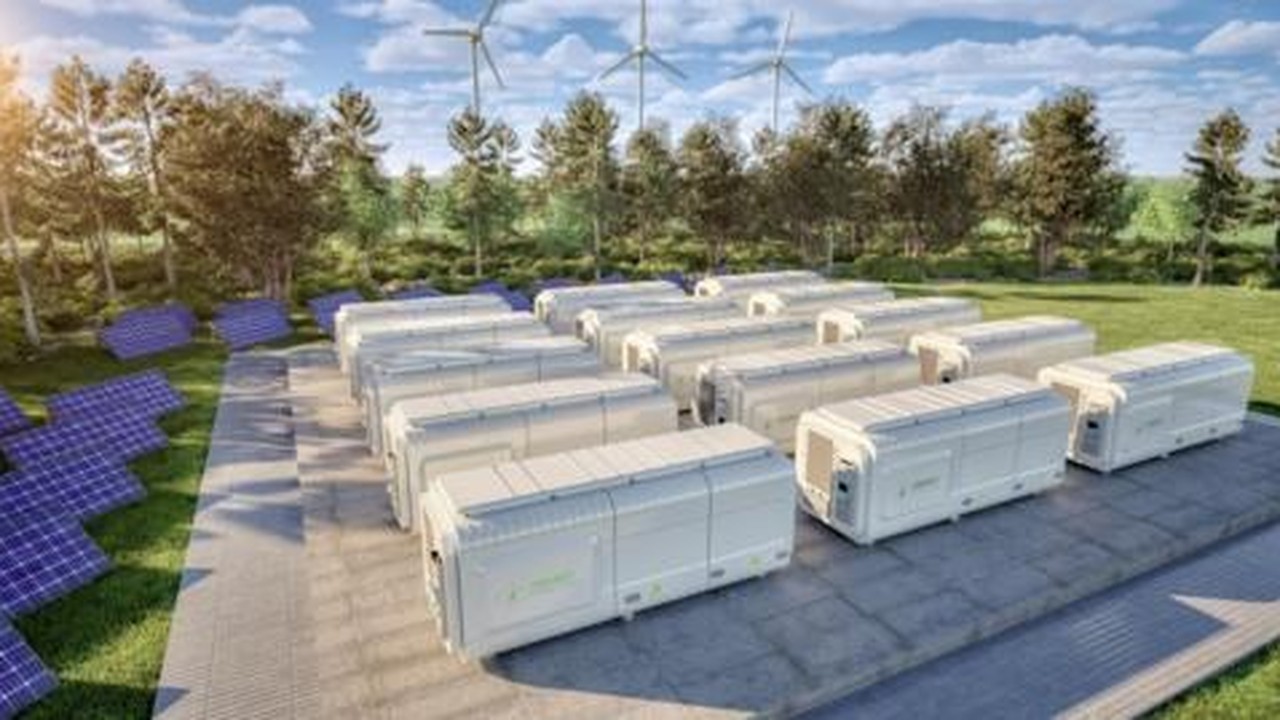
Brazil to Hold First Auction for Batteries to Store Solar and Wind Energy from the Northeast

-
Brazilian scientists are simultaneously advancing two research projects on clean hydrogen and driving solutions that could transform the energy matrix, enhance industrial competitiveness, and accelerate large-scale emission reduction targets.

-
Advancement in renewable energy: A R$ 150 million project launched by Petrobras and Finep aims to create state-of-the-art electrolyzers for green hydrogen, strengthening national research and preparing Brazil to compete in a billion-dollar energy market.
-
Illiterate or semi-literate grandmothers were trained to repair solar systems, open rural workshops, and light up homes that still depended on kerosene.



Historically, UN climate conferences have arisen from the urgent need to tackle global climate change.
Since Rio ’92, the world has debated stricter environmental commitments, culminating in the 2015 Paris Agreement, which establishes climate goals to limit global warming to safe levels.
Therefore, Brazil, as a tropical country with vast forests, has always played a strategic role in these meetings.
Thus, President Lula’s presence at the pre-COP30 summit reinforces the country’s importance in leading discussions on tropical forests, climate financing, and especially, energy transition.
Additionally, international attention on Brazil is growing due to the Amazônia, considered one of the largest biodiversity reservoirs on the planet.
Consequently, the preservation of this region becomes crucial not only for Brazil but for all of humanity. Forests absorb carbon and regulate the global climate.
Therefore, the energy transition at the leaders’ summit fits into this context, as clean energy policies and environmental preservation go hand in hand.
Energy Transition and the Role of TFFF
The energy transition at the leaders’ summit will be one of Lula’s central agenda items. This means that the systems of energy production and consumption will undergo gradual transformation, shifting from fossil sources to renewable alternatives, such as solar, wind, and biomass.
Thus, the goal is to reduce greenhouse gas emissions and move towards a more sustainable and resilient model.
The model needs to balance economic development and environmental preservation. In the global context, this transition is fundamental, as G20 nations account for about 80% of global emissions.
This makes the actions of these countries decisive for the success of any climate policy.
During the summit, Lula will address the Tropical Forests Forever Fund (TFFF), an initiative aimed at preserving forests and financing long-term environmental projects.
Additionally, this fund creates opportunities for countries and companies to invest in forest conservation, recognizing their crucial role in climate regulation and biodiversity maintenance.
In this way, the articulation around TFFF demonstrates how global financial resources can support the energy transition at the leaders’ summit, connecting environmental preservation with clean energy.
The meeting’s agenda also includes analysis of the ten years of the Paris Agreement, assessing the fulfillment of national emissions reduction targets, known as NDCs (Nationally Determined Contributions).
Therefore, the discussion on energy transition at the leaders’ summit fits into this context, as the advancement of renewable energies indicates climate commitment.
Moreover, the summit will address oceans and financing, sectors closely linked to sustainability and the mitigation of climate change effects.
Another relevant aspect involves technology in energy transition. Innovations in energy storage, smart grids, and energy efficiency enable the replacement of fossil fuels.
Thus, countries investing in these solutions reduce costs, enhance energy security, and create opportunities for technology exports.
Therefore, by discussing these issues, the energy transition at the leaders’ summit becomes more than an environmental goal. It transforms into an economic strategy and sustainable development.
International Mobilization and Bilateral Debates
At bilateral meetings and thematic sessions, Lula will seek to mobilize countries to invest in TFFF and strengthen energy transition actions.
Each session will include about 40 countries, allowing for in-depth discussions on how to finance clean energy projects, share sustainable technologies, and promote international cooperation.
Thus, the energy transition involves not only technology but also economics and society.
It requires industrial restructuring, creation of green jobs, and public policies that encourage renewable sources.
The energy transition at the leaders’ summit is not limited to Brazil. Moreover, globally, countries face similar challenges, such as dependence on fossil fuels, outdated infrastructure, and the need for technological innovation.
The participation of G20 leaders, such as Germany, France, and the United Kingdom, reinforces international commitment to share experiences and seek collective solutions.
Therefore, the pre-COP30 summit provides an essential space for dialogue to build consensus and outline feasible goals for the next decade.
Multilateral institutions also play a strategic role. Development banks and international organizations can facilitate financing and technical cooperation programs, enhancing the impact of the energy transition at the leaders’ summit.
Thus, collaboration between governments, the private sector, and civil society increases the effectiveness of policies and ensures that the commitments made at COP30 advance concretely.
Integration Between Clean Energy and Environmental Preservation
Another relevant point is the integration between energy policies and environmental conservation. The preservation of tropical forests directly contributes to climate regulation, mitigating carbon emissions.
For this reason, Lula’s agenda combines TFFF and energy transition at the leaders’ summit, reinforcing that environmental protection and sustainable energy development go hand in hand.
Consequently, the integrated vision strengthens international commitments and creates a global narrative of shared climate responsibility.
The summit serves as a reference for negotiators who will remain throughout COP30. Moreover, experts assert that the statements of heads of state guide diplomats and negotiators, who adjust technical agreements and specific targets based on the strategic guidance discussed in these meetings.
Therefore, the emphasis on energy transition at the leaders’ summit directly influences the decisions and commitments formalized at the conference.
Social and Economic Impacts of Energy Transition
In addition to the environmental dimension, the energy transition generates significant economic and social impacts.
Countries that invest in clean energy create skilled jobs, stimulate technological innovation, and reduce energy vulnerability.
Thus, the summit allows leaders to discuss ways to finance these transformations, utilizing international funds like TFFF, climate credit mechanisms, and public-private partnerships. In this way, the energy transition becomes a driver of sustainable development, aligning economic growth with planet protection.
The integration between climate policies and social inclusion also deserves emphasis. Renewable energy projects in local communities generate income, strengthen the regional economy, and reduce inequalities, while contributing to meeting emission reduction targets.
Therefore, the energy transition at the leaders’ summit takes on a multidimensional character, encompassing environment, economy, and social justice.
In summary, President Lula’s participation in the Leaders’ Summit before COP30 reaffirms Brazil’s position as a protagonist in global climate discussions. The focus on TFFF and energy transition at the leaders’ summit highlights that preserved forests and renewable energies go hand in hand in building a sustainable future.
Thus, this timeless agenda, which combines environmental commitments, international cooperation, and technological innovation, guides policies and inspires concrete actions, not only during COP30 but in the decades to come.
The expectation is that the outcomes of this summit will serve as a benchmark for negotiators, establishing clear priorities and consistent goals to tackle climate change.
By integrating environmental preservation, financing, and energy transition, the summit strengthens the narrative that development and sustainability are not opposing concepts but complementary.
In this way, the energy transition at the leaders’ summit consolidates as a central element of the global strategy to combat climate change, serving as an example for countries from all continents.