






 Portuguese
  Spanish


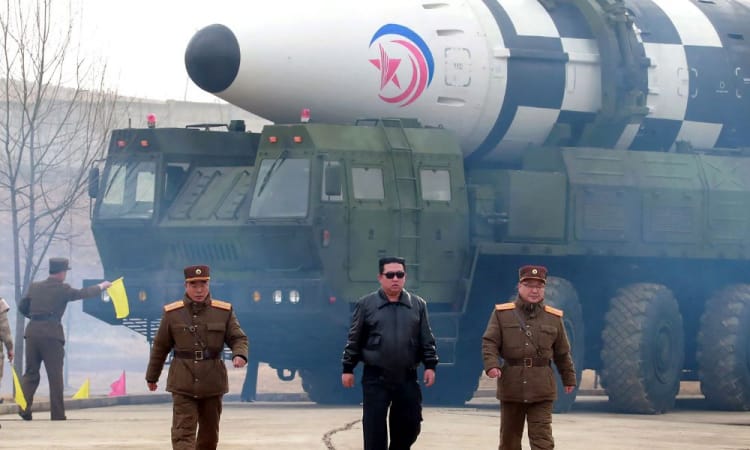

The Long-Range Threat from North Korea: United States Condemned the Test, While China, North Korea’s Main Ally, Maintained Cautious Support for Pyongyang
In a troubling development, North Korea fired a long-range ballistic missile with the potential to hit U.S. territory. This significant event raises international tensions to a new level. South Korea and Japan confirmed this worrying launch, which follows a smaller test the previous Sunday. This missile, a remarkable feat of North Korean engineering, flew approximately 1,000 kilometers before falling into the East Sea, a clear sign of Pyongyang’s growing missile technology capabilities.
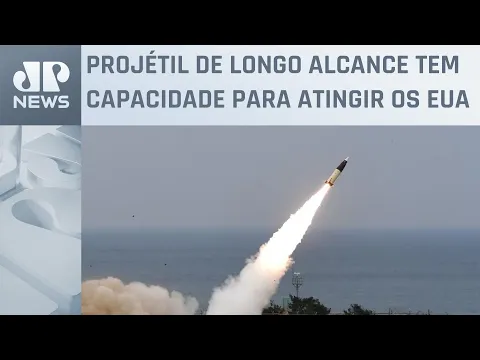

The missile, identified as an ICBM (Intercontinental Ballistic Missile), has an impressive range, capable of reaching any part of the United States. According to Japan’s Deputy Defense Minister, Shingo Miyake, the range projection of this missile exceeds 15,000 kilometers. South Korea, reacting urgently, vehemently condemned the act and highlighted the implications for both regional and global peace and security. South Korean President, Yoon Suk Yeol, and Japanese Prime Minister, Fumio Kishida, expressed their concerns, emphasizing the threat to stability.
There Have Been Four ICBM Tests by North Korea This Year Alone,
The launch of this missile violates U.N. Security Council resolutions, an organization that has repeatedly called on North Korea to halt its nuclear and ballistic missile program. The United States (U.S.) condemned the test, while China, North Korea’s main ally, maintained cautious support for Pyongyang. This test is not an isolated incident; there have already been four ICBM tests by North Korea this year alone, highlighting the country’s persistent pursuit of nuclear capability.
-
Angra 3 becomes Brazil’s R$ 24 billion dilemma: finishing the 66% complete plant costs almost the same as abandoning it, right in the race for energy in the AI era.

-
Nvidia Secures Billion-Dollar Deal to Supply Up to 170,000 AI Accelerators to a 360 MW Data Center in Indonesia, Aiming to Transform Batam into an Advanced Computing Hub

-
NuScale proposes revised plan for six VOYGR SMR reactors in Poland after ending U.S. project
-
Holtec and EDF Submit Joint Proposal to Install Four SMR-300 Reactors in England with Combined Capacity of 1.3 GW


This scenario raises the question: how will the world respond to this growing threat? North Korea has declared itself an “irreversible” nuclear power and insists it will never abandon its nuclear program. The rising tension suggests the need for more robust diplomacy and possibly new strategies to ensure peace and stability. The international community, particularly the U.S., South Korea, and Japan, must carefully consider their next steps in light of this new reality.
How to Follow and Engage in Discussions on International Security
For those interested in delving into the challenges of international security and the dynamics of the Korean Peninsula, the U.S., and other countries, various courses are available. These educational programs offer valuable insights into defense policies, diplomatic strategies, and the historical context of tensions in the region.


