Portuguese
  Spanish


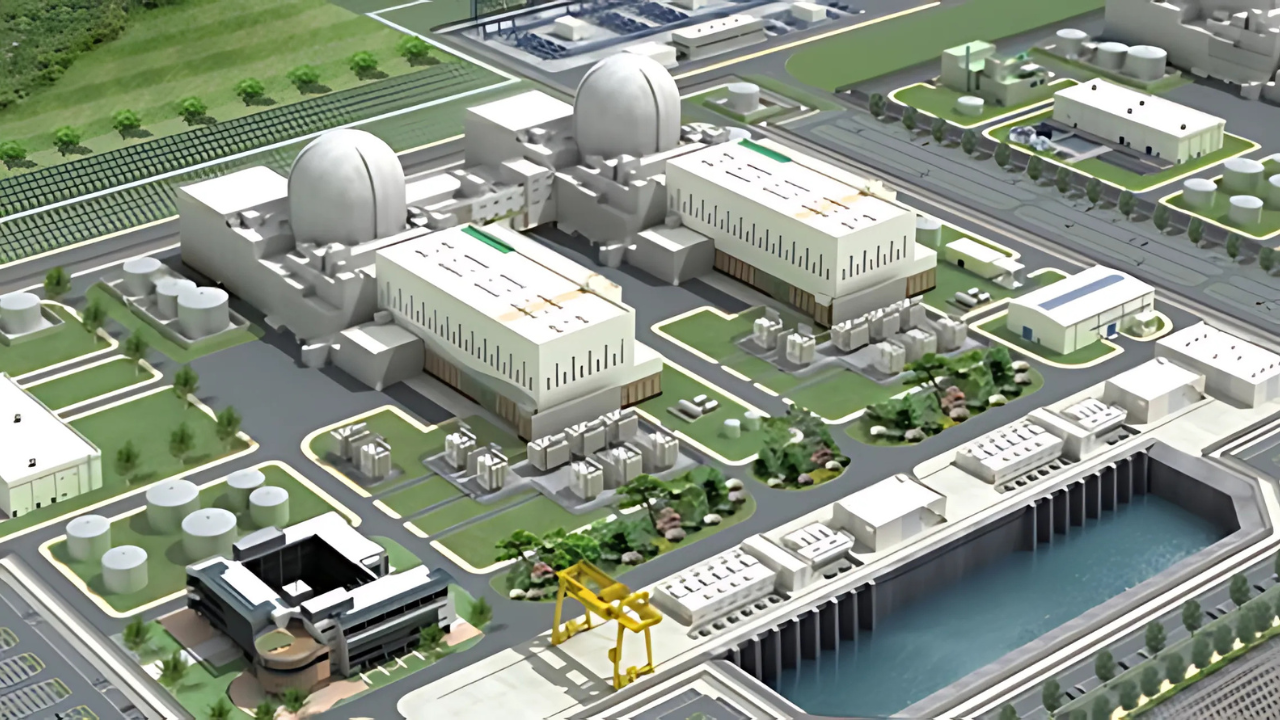

The Advancement Of Construction At Shin Hanul 3 And 4 Reinforces Not Only The South Korean Energy Matrix But Also The Country’s Competitiveness In The Global Nuclear Power Plant Construction Market.
South Korea has taken a decisive step in its strategy to revitalize the nuclear sector by starting the safety concrete pouring for the reactor building of unit 3 at the Shin Hanul nuclear power plant in Gyeongsangbuk-do province.
Korea Hydro & Nuclear Power (KHNP) announced the start of large-scale structural work at the construction site, confirming that the APR1400 reactor is scheduled to be operational by 2032.
The initiative represents a symbolic milestone in the country’s energy policy and reflects the resumption of investments in nuclear infrastructure, which had previously been halted by political directives against the sector.
-
28-meter, 156-ton titans traveled 20,000 km from China to the port of Santa Catarina: Portonave received 7 fully electric megacranes, part of a R$ 210 million package, to double container handling.

-
They exchanged the idea of a large house for a 35 m² warehouse, spent US$ 12,000 on the structure, and created a tiny house in Colorado with space to live and work.

-
A newly opened terminal in the middle of the Amazon has begun transporting soy and corn through Amapá, eyeing the queue of ships that is congesting the ports in the South.

-
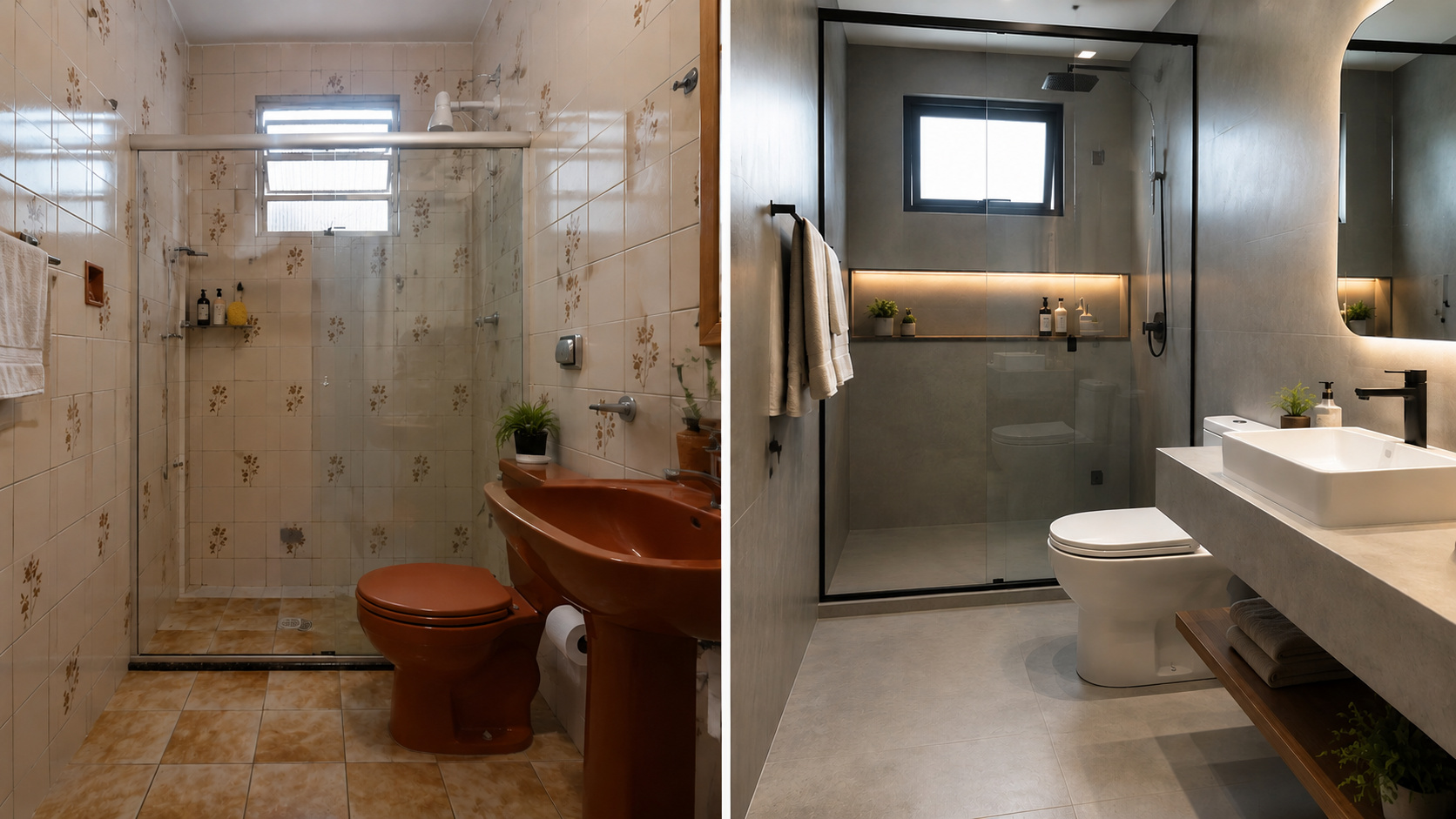
Goodbye to old tiles: renovation technique without construction transforms bathrooms in a few hours, eliminates debris, and reduces costs with coverings using special paints, high-resistance adhesives, and modern finishes that completely renew the space.


Resumption Of Nuclear Power Plant Construction In South Korea After Years Of Paralysis
The project for units 3 and 4 of the Shin Hanul plant was initially conceived in November 2014, when KHNP signed an agreement with Ulchin County.
The construction license application occurred in January 2016, with work expected to start in May 2017 and commercial operation of unit 3 planned for December 2022.
However, in May 2017, KHNP was instructed to suspend work after the change in the South Korean presidency.
The then-President Moon Jae-in had adopted a policy of phasing out nuclear energy, directly impacting expansion plans.
Despite this, legal and licensing processes continued to be developed behind the scenes, awaiting a potential change in the political landscape.
Political Turnaround And Incentive For Nuclear Energy
The turnaround occurred in May 2022, with the election of President Yoon Seok-yeol, who reversed his predecessor’s policy. In July 2022, Yoon expressed support for the rapid restoration of the country’s nuclear ecosystem.
At that time, Minister of Trade, Industry and Energy Lee Chang-yang presented a detailed plan to reactivate the sector, highlighting the resumption of construction of Shin Hanul units 3 and 4 starting in 2024.
The government approved the project implementation plan in June 2023, which involved validating 20 licensing and authorization processes across 11 ministries.
The Nuclear Safety Commission of South Korea issued the formal license for the construction of the units in September 2023, and a ceremony marked the official start of construction the following month.
Billion-Dollar Contract And Equipment Supply
The resumption of activities also had significant impacts on the heavy technology industry. In March 2023, KHNP signed a US$ 2.2 billion contract with Doosan Enerbility for the supply of key equipment for the APR1400 units.
The contract, lasting 10 years, includes the supply of nuclear reactors, steam generators, and turbine generators.
“We will do our best to elevate K-Power’s status in the global nuclear power plant construction market, achieving the goal of ‘On Time, Within Budget’, as well as the safe construction of Shin Hanul units 3 and 4,” said KHNP President Hwang Joo-ho.
Economic And Energy Relevance Of The New Plant
KHNP believes that unit 3 will be completed by 2032, following structural construction and installation of critical systems.
“Shin Hanul unit 3 is scheduled for completion in 2032, after structural construction, installation of equipment such as the reactor, and phased testing,” the company announced.
In addition to meeting the country’s energy demand, units 3 and 4 are viewed as strategic for revitalizing the South Korean nuclear industry.
“Units 3 and 4 of Shin Hanul are expected to significantly contribute to the revitalization of the nuclear industry economy as a symbol of strengthening the nuclear energy ecosystem after operations resumed in 2022 and will become the safest nuclear plant representing Korea,” KHNP highlighted in an official statement.
South Korea Reinforces Global Nuclear Leadership
With the resumption of nuclear power plant construction, South Korea consolidates its role as a technological reference in the sector.
The use of the internationally recognized APR1400 model and investments in safety and innovation demonstrate the country’s commitment to clean, safe, and reliable energy.
The advancement of construction at Shin Hanul 3 and 4 reinforces not only the South Korean energy matrix but also the country’s competitiveness in the global nuclear power plant construction market.