Portuguese
  Spanish


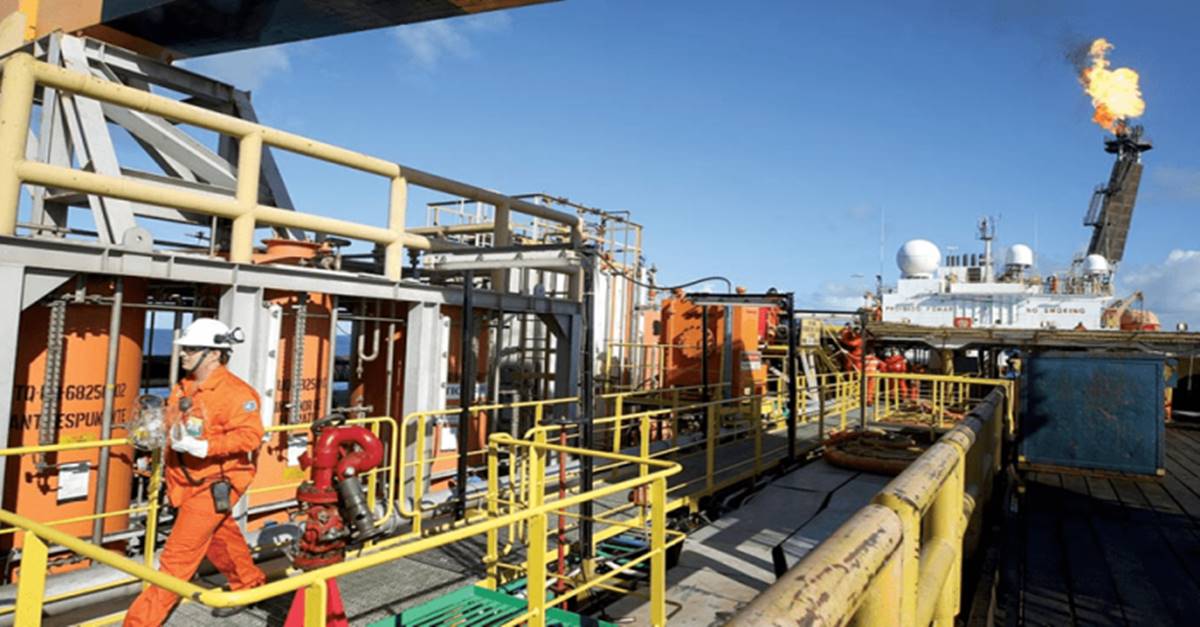

Coronavirus: In order to address the drop in demand without straining the fuel storage capacity in the country, Petrobras reduced the utilization level of its refineries to 60 percent. Petrobras reported last night (23) that it has 261 employees infected with the coronavirus.
Read Also
- Job Openings for High School and College Graduates in the Logistics and Industrial Sector, Today April 23
- Job Openings in Macaé for Technicians and Engineers at the Oil Multinational Weatherford Today
- Selection Process Open for Occupational Safety Professionals at the Brazilian Infrastructure Services Company
According to analysts from UBS bank, Petrobras stated that there is no need to stop the refineries due to the drop in demand. “Roberto Castello Branco emphasized that the current level [of utilization] is sufficient to maintain stock balance.”
Petrobras claims that “some refineries are operating at minimum capacity, ensuring the unit operates safely” and that “There are no refineries shut down.”
-
OPEC+ Boosts Oil Supply by 188,000 Barrels per Day in July 2026, Leading to Price Drop from $112 to $89 per Barrel in Under Two Months

-
TotalEnergies Signs 20-Year Deal to Purchase 2 Million Tons of LNG from Alaska, Boosting Project Viability
-
Turkey Deploys Çağrı Bey Drilling Ship to Explore New Oil Frontier Off Somalia’s Coast
-
Golden Pass LNG Ships First Liquefied Gas Cargo from the U.S., Completing $10 Billion QatarEnergy and ExxonMobil Investment




To avoid bottlenecking in storage capacity, Petrobras reduced oil production to 2.07 million barrels per day in April. The state-owned company did not disclose the utilization level of its storage infrastructure.
Data from the National Agency of Petroleum, Natural Gas and Biofuels – ANP indicate that Brazil has 2,030 tanks for storing oil, gas, and biofuels. This structure accommodates 34 million barrels of oil and 50 million barrels of derivatives, excluding cooking gas.
Currently, the challenge faced by the oil sector is the high use of capacity to store the product amid a sharp decline in consumption; for instance, in the United States, capacity utilization rose from 46% at the beginning of 2020 to 60% on the 17th.
Last Monday, with no one to sell to and nowhere to store the oil, investors rushed to offload contracts for delivery of the product scheduled for next month, leading to WTI closing down at minus $37.63, which is equivalent to an average of 199 reais per barrel – in practice, buyers paid to not receive the oil.
The 24 percent drop in Brent crude prices on Tuesday (21) reinforces that demand is weak worldwide. Yesterday, prices recovered, rising by 6.3% to $20.56 (111 reais) per barrel. Nevertheless, the situation concerns oil companies, which have already announced a series of measures to face the crisis, such as suspending investments and cutting costs.