






 Portuguese
  Spanish
  4 min of reading
  0 comments


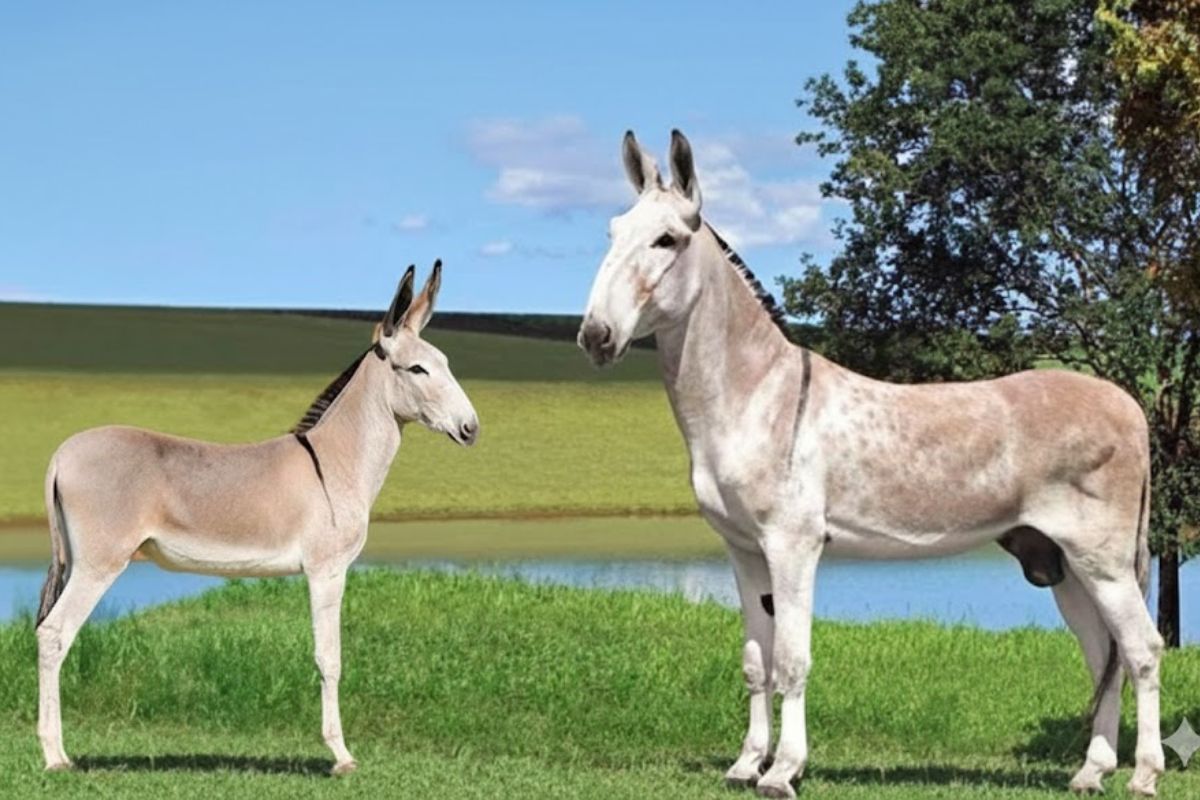
From Improvement in Minas Gerais to the Peak of Mule Breeding, the Pêga Donkey Gained Prestige for Its Resilience and for Generating In-Demand Mules, While Genetic Studies Help Recount the Origin of Donkeys Around the World.
The Pêga donkey is one of the most famous and sought-after animals by breeders in Brazil, but many people do not know that this breed was developed here and carries a history that blends rural tradition, selection, and market value.
The story becomes even bigger when you connect two ends: on one side, the Brazilian tradition that perfected the Pêga donkey to produce quality mules; on the other, genetic discoveries about ancient donkeys that help rewrite the origin and expansion of these animals around the world.
Before the Pêga Existed, the Donkey Already Carried History on Its Back
Donkeys have African origins and were domesticated thousands of years ago, chosen for their resilience and ability to withstand harsh conditions.
-
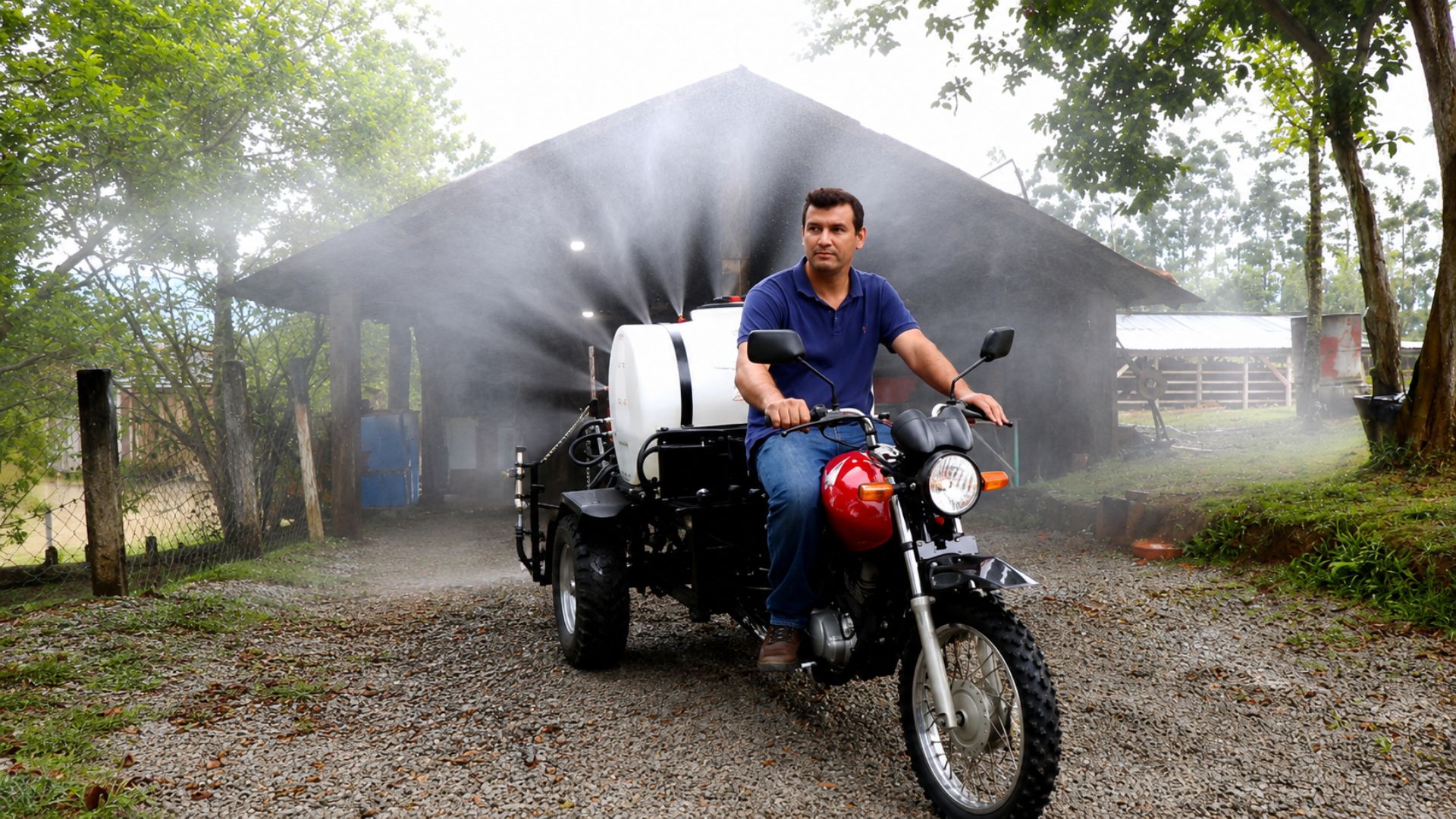
Without money for a tractor or Tobata, a farmer from Presidente Getúlio bought an old motorcycle from an auction and created an agricultural tricycle that carries up to 900 kg of fertilizer in the field; in five years, he has already sold eight to neighbors.

-
A single tank in the lake of a plant yields 90,000 kilos of tilapia every six months, and the company wants to multiply this by 500 to take Mato Grosso do Sul from 11th place to the top in the country.
-
Russia recognizes Brazil as free from foot-and-mouth disease without vaccination on June 10, 2026, strengthens Brazilian agribusiness, and paves the way for more meat, fish, nuts, and new business with a billion-dollar market.

-
Fish farming becomes the new giant of Brazilian agribusiness and transforms tilapia into the “water ox,” in a chain that already moves R$ 11 billion per year and exceeds 1 million tons produced.



This robustness is what transformed the donkey into a key piece of transport in regions where other animals struggled.
Over time, they became essential for carrying goods and people along complicated routes, especially in terrains where logistics were a constant challenge.
How Donkeys Came to Brazil and Became a Key Piece of the Colonial Period

During the colonial period, donkeys arrived in Brazil brought by the Portuguese and took on a practical role in transporting heavy loads and moving through challenging areas. Before it became a breed, the donkey was already infrastructure.
It was this daily utility that laid the groundwork for the next step: targeted improvement, focusing on performance and consistency.
Where the Pêga Donkey is Born and Why This Breed is a “Signature” of Brazil
The breed developed in Minas Gerais, in the Lagoa Dourada region, from the crossing of different origins chosen for their ability to withstand local climatic, topographic, and nutritional conditions.
The Pêga donkey was perfected with a clear objective: to generate high-value mules, reliable and adaptable in work, with a more predictable standard for the breeder.
The Improvement That Consolidated the Bloodline
The improvement of the Pêga donkey is associated with the work of breeders and the introduction of sires that strengthened the bloodline throughout the 19th century, with continuous selection for function and performance.
Here, the selection was not aesthetic; it was results-oriented. The goal was to consolidate a type of donkey capable of elevating the quality of mules.
Why the Pêga Donkey Generates In-Demand Mules and How the Price Skyrocketed
The Pêga donkey is considered essential in the production of mules, especially in valued lines for transportation and riding.
The demand for gaited mules has raised the value, with reports of individuals fetching up to R$ 200 thousand.
This is not a new phenomenon in the economic logic of the countryside. Historically, the mule was seen as a valuable asset, and in certain contexts, it came to be worth more than a horse. It was not a whim; it was an investment.
The Genetic Aspect That Surprises and Expands the History of Donkeys


In addition to the Brazilian chapter, there are scientific discoveries that have reignited the debate about the history of donkeys: archaeological records and genetic analyses of ancient and modern animals indicate that the trajectory of these animals may be more complex and older than previously thought.
The central idea is that the donkey is not a supporting character in human history. It helped sustain routes, economies, and occupations, and in Brazil, it ended up being associated with a breed like the Pêga donkey, which became a reference in mule breeding.
Why the History of the Pêga Donkey is So Hard to Ignore
When you put it all together, the Pêga donkey ceases to be just a famous animal among breeders and becomes a symbol of two things at once: the Brazilian ability to consolidate a breed valued for functional selection and the fact that donkeys around the world carry a more profound genetic history than previously realized.
It is Brazil, breeding, and science in the same narrative.
Do you think the Pêga donkey should be more recognized as a heritage of Brazilian breeding, or will this theme remain restricted to the countryside?






-

-

-

-

6 people reacted to this.