






 Portuguese
  Spanish
  3 min of reading
  0 comments


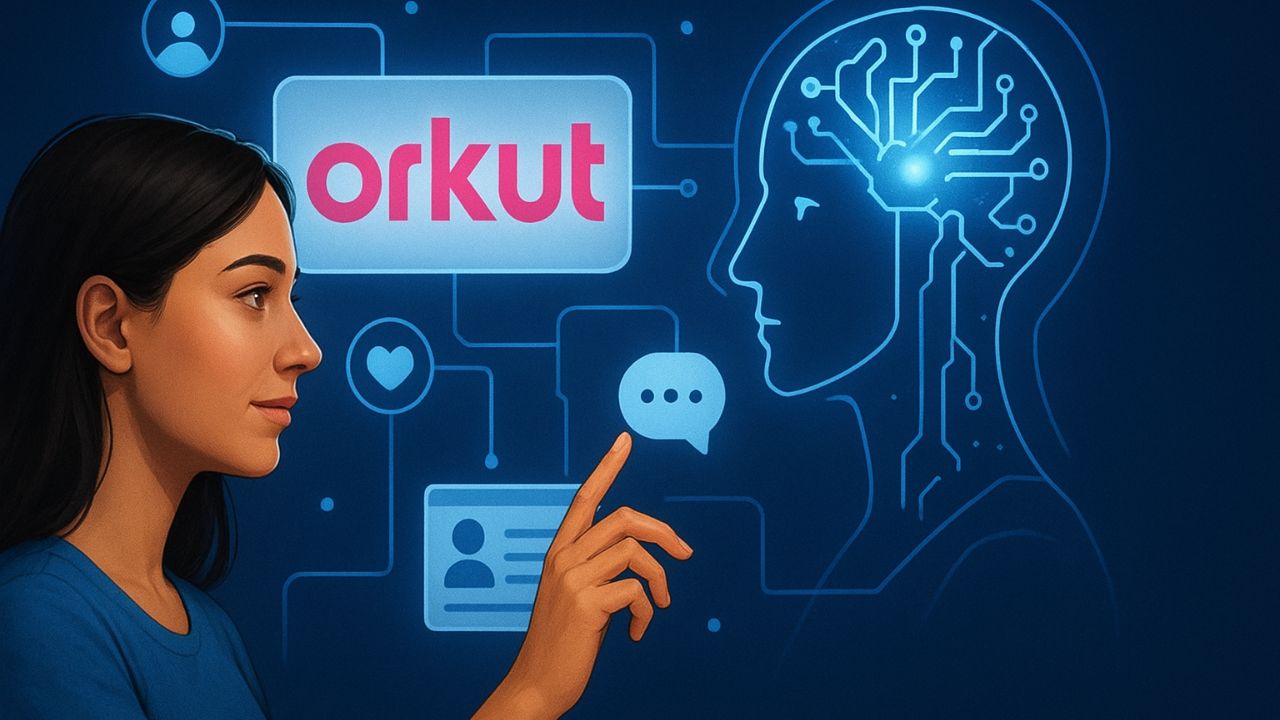
Orkut Creator Criticizes Current Social Media Model and Claims That It Is Still Possible to Rebuild a More Human, Safe Internet Focused on Real Connections.
The software engineer Orkut Büyükkökten, creator of the former social network Orkut, stated that the dominant model of current social networks has strayed from the original purpose of promoting human connections.
According to him, there is still room for healthier digital platforms, as long as they are guided by conscious design and business choices.
The statement was made during an interview conducted before his participation in the Voices 2025 event.
-
Giant earthquake returns to haunt California after study points out San Andreas and San Jacinto faults at highest stress level in 1,000 years, with risk involving Los Angeles and other populated areas.

-
Scientists have mapped for the first time the largest biological network on the planet, formed by underground fungi with an extension of 110 quadrillion km that transport 4 billion tons of CO₂ to the soil per year.

-
Where does the light go when you turn off the lamp? The answer involves invisible particles called photons, which disappear in fractions of a second inside the room but can travel billions of years through space to reach our eyes.

-
Light particle that shouldn’t be split surprises physicists



Orkut Says Networks Prioritized Engagement Over Connection
According to Büyükkökten, the early social networks had a central focus on creating communities and strengthening bonds among people with shared interests.
However, over the years, this model was replaced by strategies aimed at increasing users’ time spent on the platforms.
For him, this shift profoundly altered the digital experience. The engineer attributes this transformation to the adoption of business models based on targeted advertising and massive data collection.
According to him, platforms began to favor content that evokes intense emotions, such as outrage and conflict, as they generate more interaction and financial returns.
Despite the criticisms, Büyükkökten stated that he does not consider the situation irreversible. He argues that more positive digital environments can be recreated.
According to the creator of Orkut, the change depends less on technological limitations and more on the intentions of the companies that develop the platforms.
Engineer Develops New Project Focused on Digital Well-Being
During the interview, Orkut confirmed that he is working on a new social network project.
The proposal, according to him, is not aimed at reviving Orkut, but rather at creating a platform aligned with values such as friendship, kindness, and belonging.
He stated that the initiative arises in response to the increase in loneliness and isolation, especially among young people.
New Platform Prioritizes Human Principles
Büyükkökten explained that the development of the new product is based on different principles than those currently adopted in the market.
Among the cited pillars are the encouragement of authentic interactions, the reduction of the competition for attention, and the promotion of smaller, more meaningful communities.
The engineer also commented on the impact of artificial intelligence on social networks.
According to him, the mass production of automated content has made it difficult to distinguish between human interactions and artificial systems.
For Orkut, this scenario contributes to a crisis of trust, in which users begin to doubt the authenticity of what they consume online.
Creator Claims AI Can Be Used Responsibly
Despite the concerns, Büyükkökten emphasized that artificial intelligence should not be seen only as a threat.
He argued that, if used with ethical standards, technology can help make the internet safer, including in combating misinformation.


Platforms Need to Take an Active Role Against Harmful Content
According to the engineer, social networks have direct responsibility for the environment they create, as their algorithms influence behaviors and visibility of content.
He stated that isolated moderation is not enough and that companies need to reconsider the structural functioning of the platforms.
When talking about the future, Büyükkökten stated that he believes platforms prioritizing well-being, empathy, and real connections are likely to gain traction in the coming years.
For him, user exhaustion with toxic environments could drive a new phase of the internet that is more human-centered.








-

-

-

5 people reacted to this.