Portuguese
  Spanish


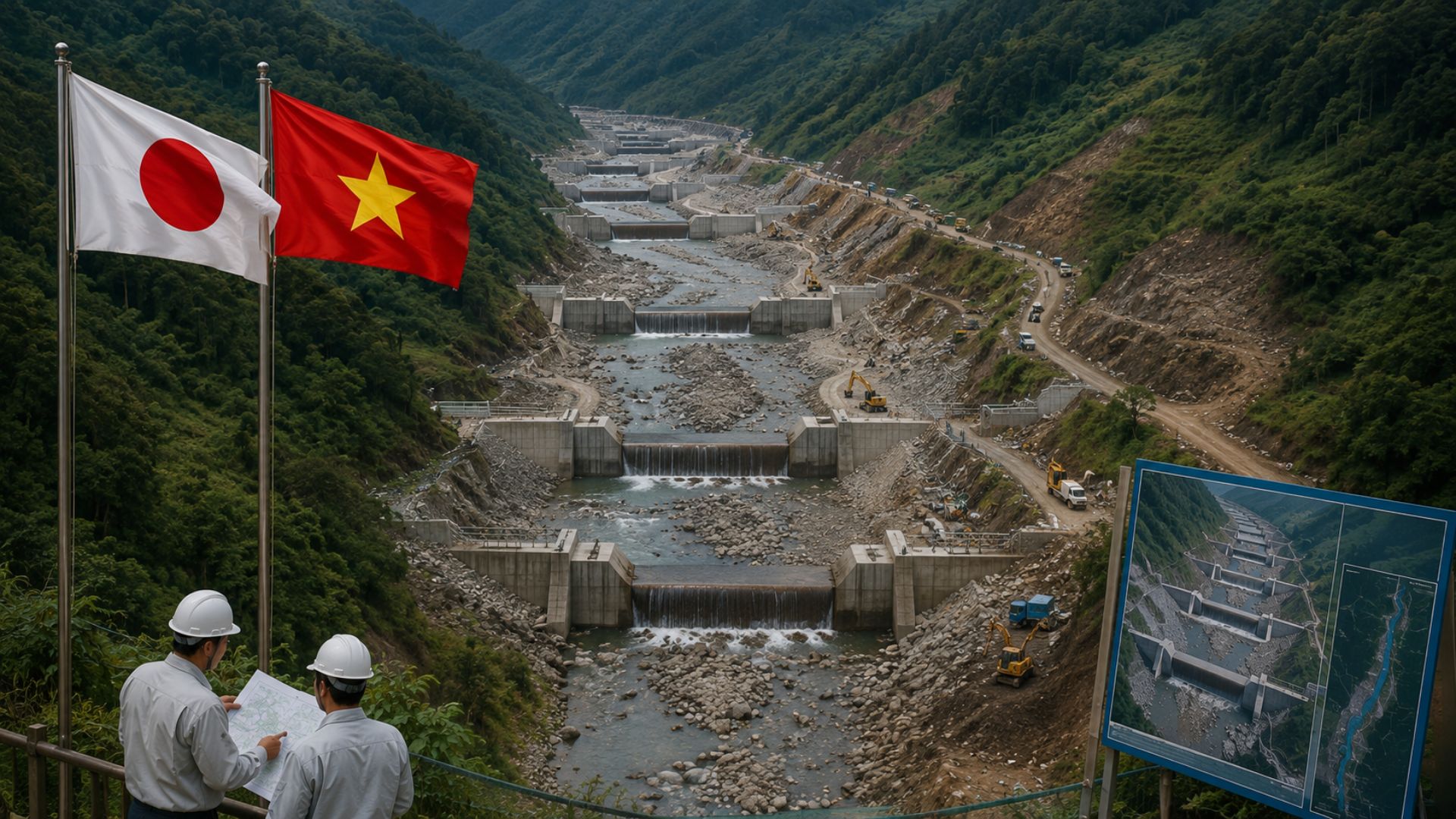

With the support of the JICA agency and UNESCO, Japan shares decades of disaster experience. Vietnam has already inaugurated the first of the Sabo dams, which retain stones and debris, and plans another 12 in the Nam Pam river basin, in addition to evacuation and sanitation training.
A river rose 15 meters overnight and devastated a village in Vietnam in 2025, and Japan responded with dams that hold back mud and stones, training 15,000 people for evacuation, and a sewage treatment plant for 1 million residents. The response is part of a larger effort to prepare the Asian country against floods and landslides.
Japan has been sharing decades of disaster management experience with Vietnam. According to information released by the EuroNews Journal, the work is carried out through infrastructure projects, education, and early warning, with the support of the Japan International Cooperation Agency (JICA) and UNESCO. Vietnam inaugurated its first Sabo dam, a Japanese invention that retains rocks and debris during heavy rains, in the Son La province, and there are another 12 similar dams planned for the Nam Pam river basin. The Japanese strategy relies on three pillars and also includes an agreement with UNESCO to train the population and a large sanitation station in Hanoi.
The river that rose 15 meters and the tragedy in Vietnam
Photos VNA/VNS
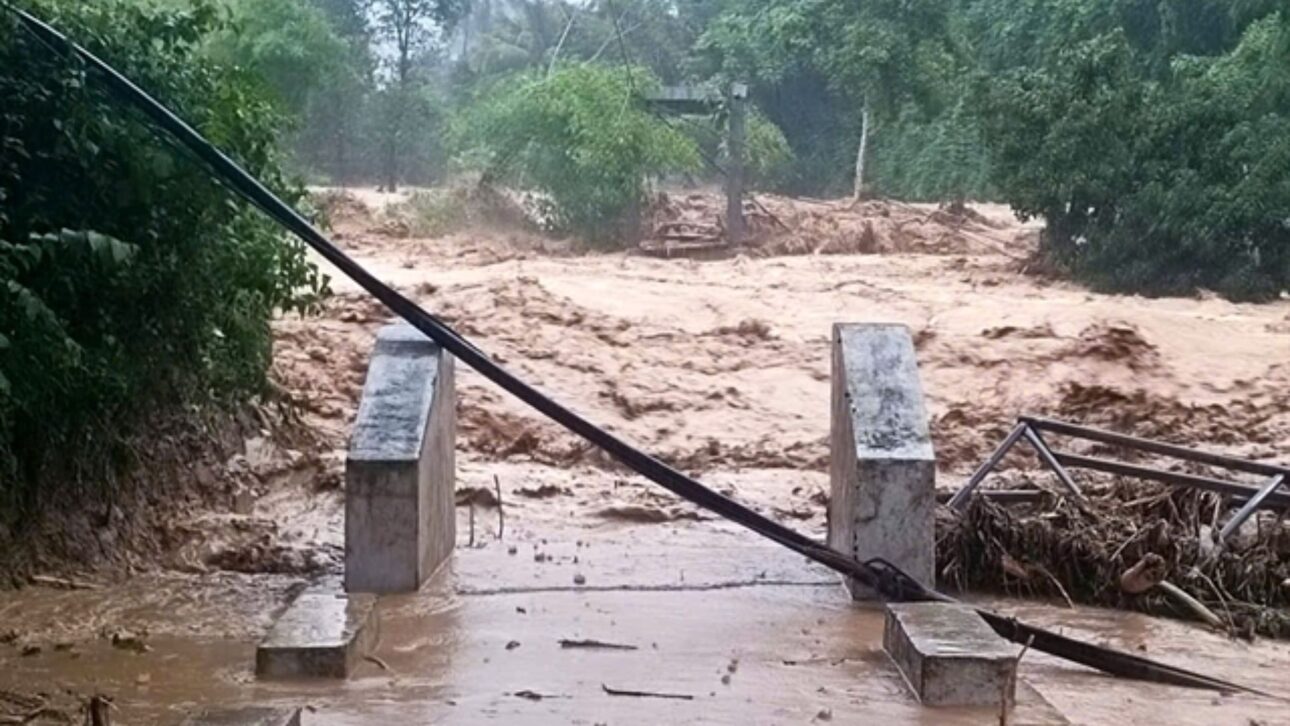
The story behind the dams begins with a tragedy. In July 2025, a village in the Nghe An region, Vietnam, frequently hit by floods, was devastated when the nearby river rose 15 meters overnight, and nearly 2 meters of water flooded classrooms.
-
City Hall spends almost R$ 2 million on a wooden bridge only 2.5 meters wide to prevent the isolation of 5,000 people, but information about lifespan, load, and maintenance does not appear in public disclosures.

-
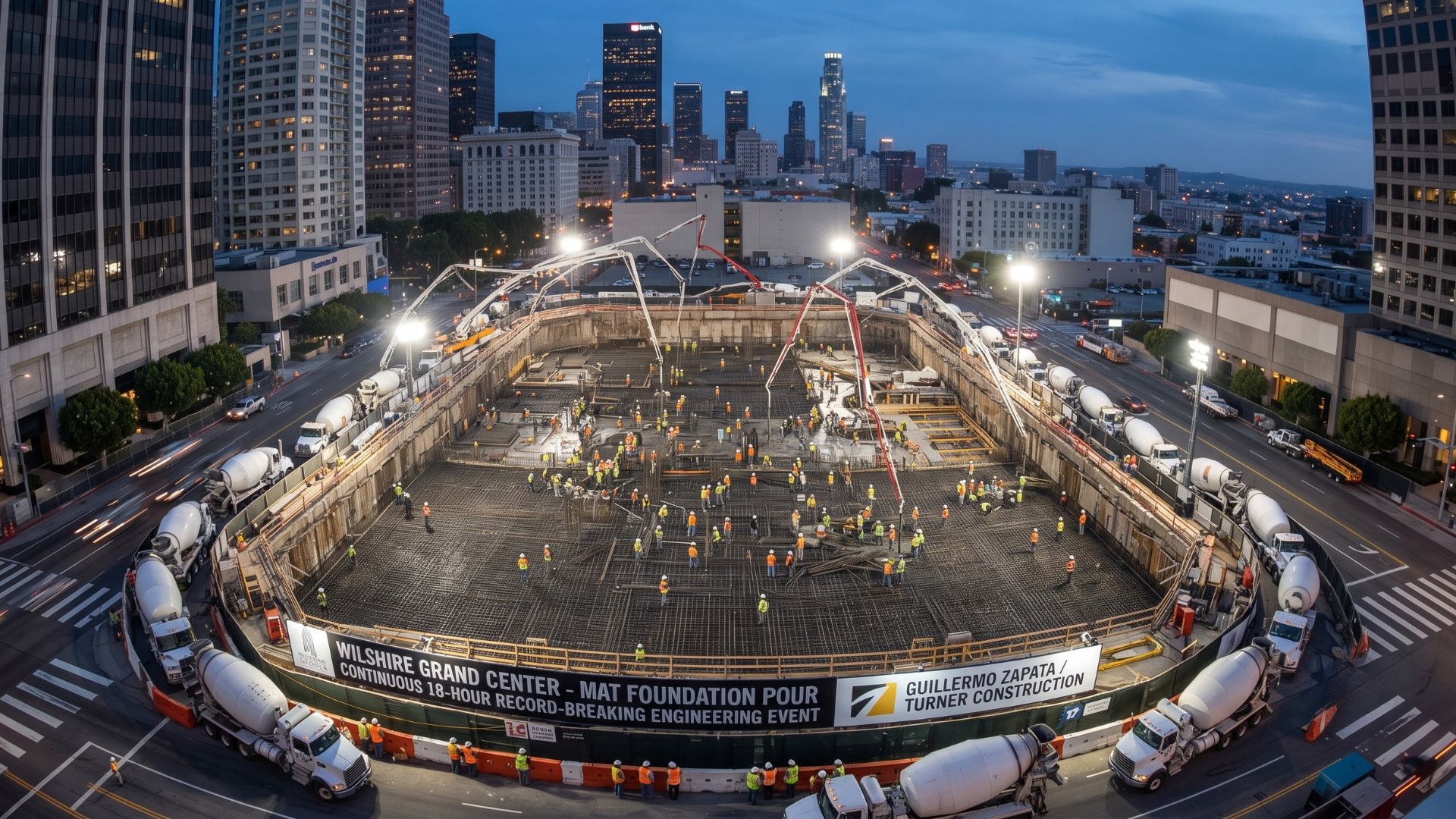
More than 2,100 trucks transported 16,200 cubic meters of concrete without interruption to create the foundation of the tallest skyscraper in the western United States and break a world record.

-
The man who started in construction with his own house founded a company in 1957, went through a banking crisis in 1987, and ended up connected to 16,500 houses in Houston.

-
Builders challenged experts, erected a 16-story building using only reinforced concrete when the known limit was six floors, and proved that skyscrapers would never be the same again.



It was not the first disaster of its kind in the region. In 2017, in the village of Pang, in the Son La province, a landslide caused part of the community to disappear under the mud, leaving scars still visible in the landscape. These recurring events, between floods and landslides, are what Japan and Vietnam are trying to tackle together, in the north of the country.
The Sabo Dams that Hold Back Mud and Stones
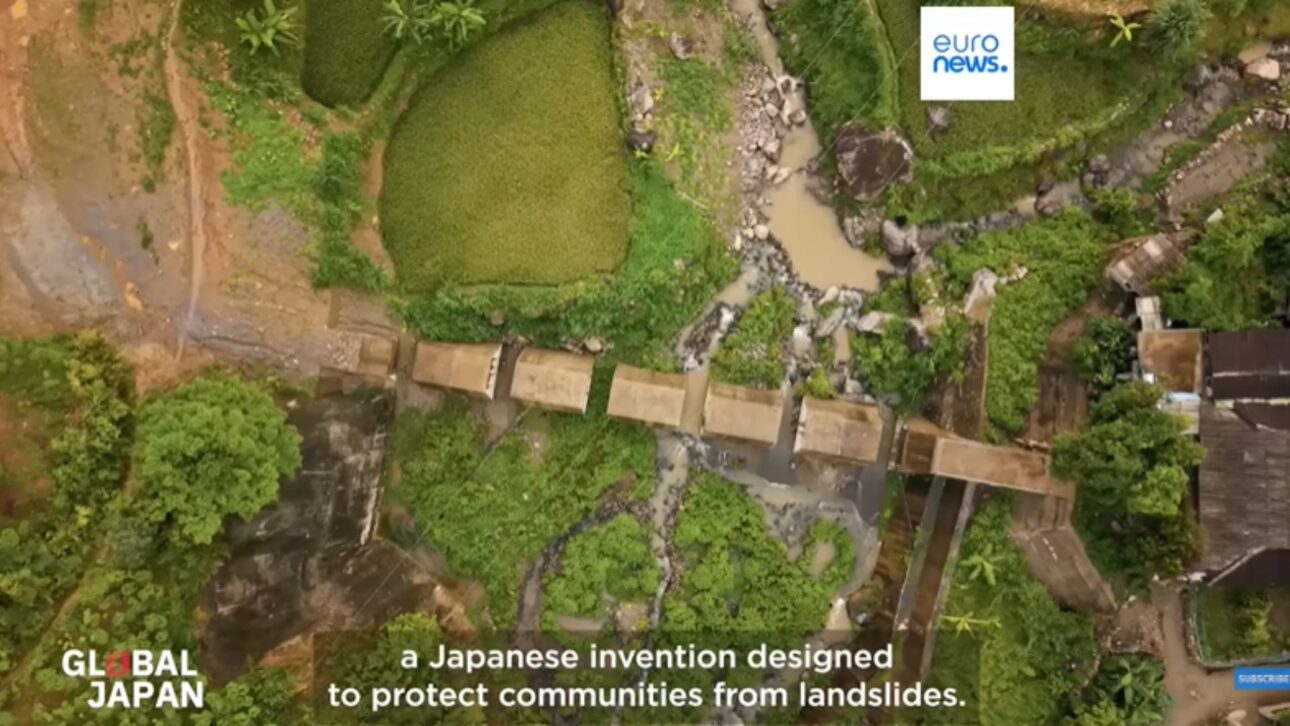
The most visible part of the response is a Japanese invention: the Sabo dams. In Japanese, “sa” means sediment and “bo” relates to protection, and the concept was developed about a century ago to let water flow while holding back rocks and debris carried by heavy rains.
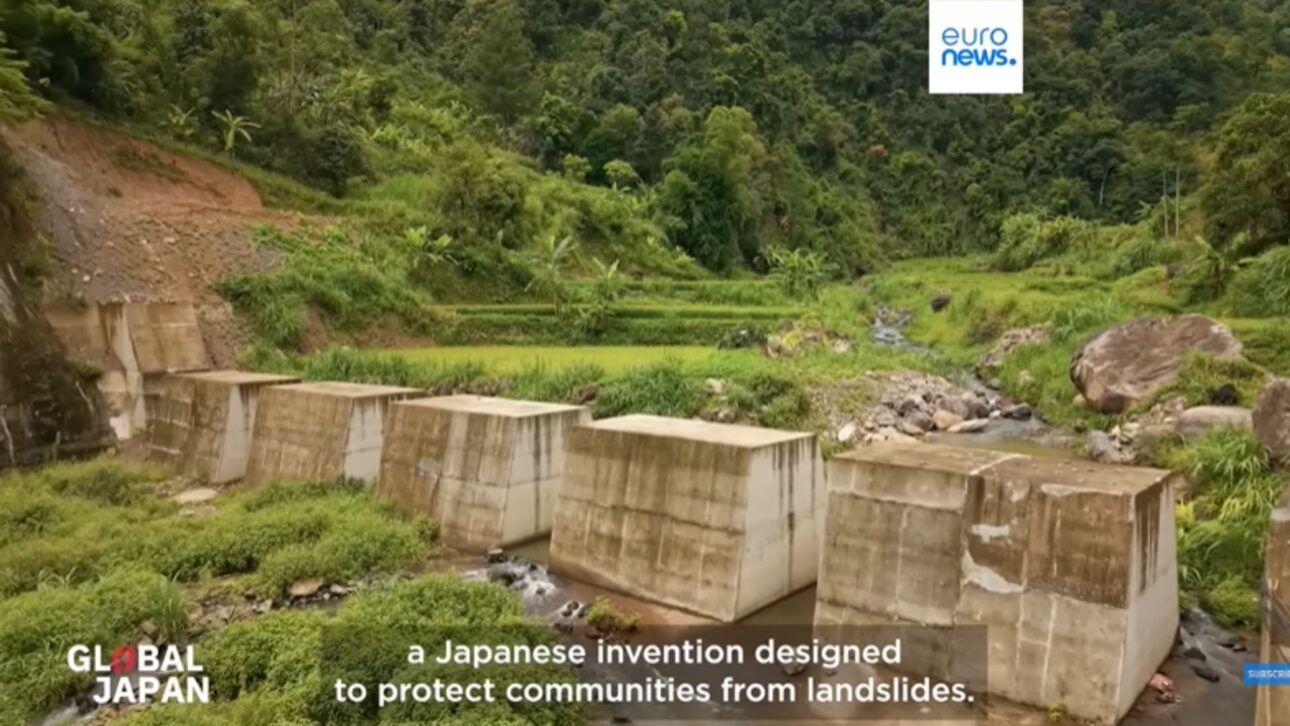
These dams act as a brake for the debris flow. They reduce the force and energy of this flow and, installed within a basin, protect the riverbed, prevent erosion, and help stabilize the entire watershed, so that the valley downstream is also protected. Vietnam inaugurated its first Sabo dam in Son La province, with a kindergarten among the buildings protected just below the structure, and there are 12 similar dams planned for the Nam Pam river basin.
The Japanese Three-Pillar Strategy
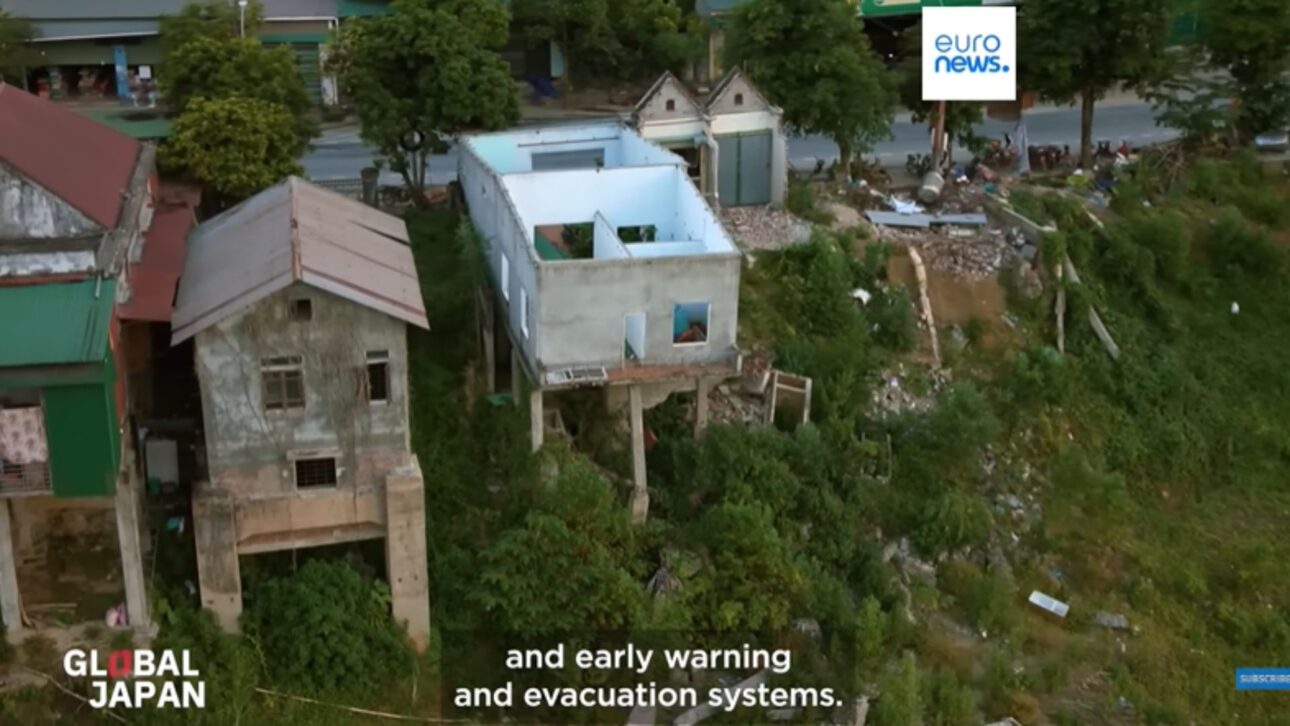
Besides the dams, Japan brings a broader strategy to Vietnam. Built over decades and supported by the Japan International Cooperation Agency (JICA), the Japanese disaster prevention approach is based on three pillars.
Each pillar covers one front of the problem. The first is protective infrastructure, such as the dams themselves; the second is land use planning; and the third is early warning and evacuation systems. Recognized as a leader in disaster risk reduction, especially at the technological level, Japan has been sharing this experience with Southeast Asia for years, through bilateral partnerships and cooperation with a regional organization.
The Agreement with UNESCO and the Training of 15,000 People
The human side of the response goes beyond the dams. In February 2026, Japan signed an agreement with UNESCO to strengthen disaster preparedness in Nghe An, enhancing risk mapping and evacuation drills in schools.
The focus is on teaching the population to react before the worst happens. The agreement provides for Japanese technical support and a strong emphasis on education, with workshops to improve evacuation procedures, and it is expected that about 15,000 people, including students and teachers, will benefit directly. For Japan and UNESCO, partners for decades, such simulations save lives by preparing people to face extreme events when they occur.
The sewage treatment plant for 1 million in Hanoi
Japanese support also reaches large cities, in an effort that complements the dams. In Hanoi, the capital, rapid economic development had polluted rivers and lakes with domestic wastewater, and a new treatment plant aims to change this situation.
The project is the largest of its kind in the city. Inaugurated in 2025 with technical and financial support from Japan, Hanoi’s largest wastewater treatment plant has connected one million residents to the treatment network. It incorporates Japanese rapid filtration systems adapted to heavy rains and is connected underground by large tunnels excavated with state-of-the-art drilling technology.
After a river rose 15 meters overnight and devastated a Vietnamese village in 2025, Japan responded with Sabo dams that hold back mud and stones, evacuation training for 15,000 people, and a sewage plant that connects 1 million residents, sharing decades of experience through JICA and UNESCO.
Behind these projects is a concept that Japan calls Build Back Better, based on investing in disaster risk reduction before catastrophes occur and rebuilding more resiliently afterward, the same preventive logic that, according to the country, helped boost its own economic growth.


Among the dams in the mountains, evacuation drills in schools, and the treatment plant in the capital, the cooperation shows that facing extreme events is increasingly a task planned in advance and shared between countries.
And you, what do you think of Japan’s response with dams and training in Vietnam? Do you believe this preventive model could help other countries suffering from floods and landslides? Share your opinion and exchange ideas with other readers about infrastructure and disaster prevention.