Portuguese
  Spanish


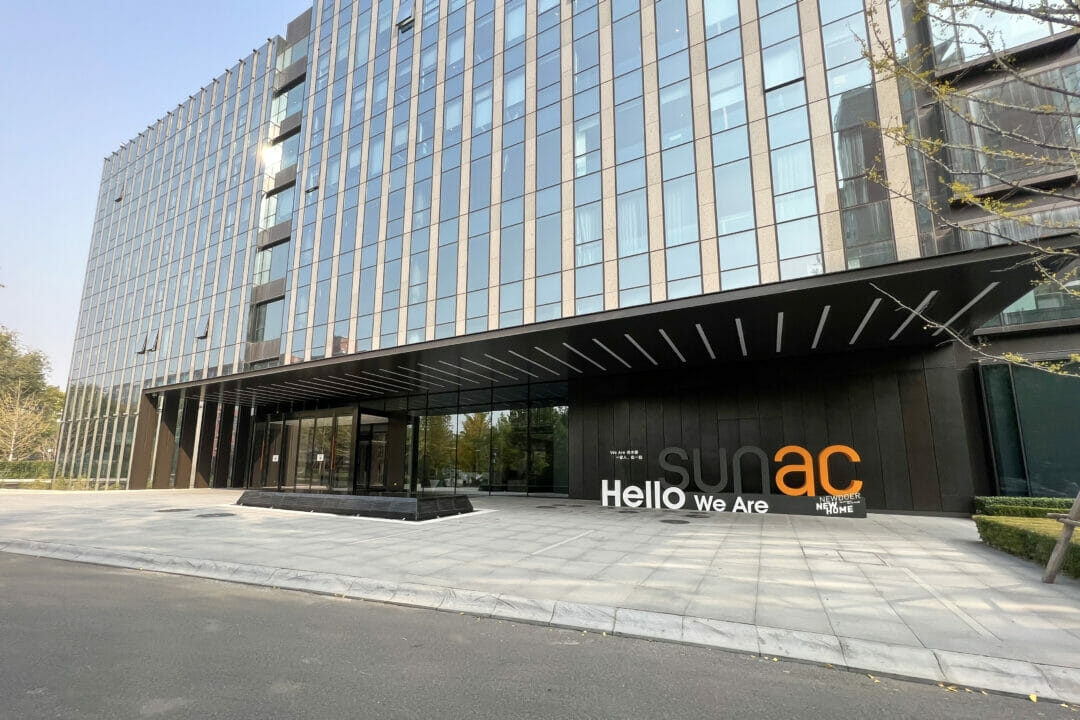

After Evergrande, Sunac Becomes The Second Largest Chinese Developer To Seek Bankruptcy Protection In The United States
The crisis in the Chinese real estate sector continues to deepen, with Sunac, one of the country’s major developers, seeking bankruptcy protection in the United States. This move comes after the company received approval to restructure nearly US$ 10 billion in debt. Sunac is the second large Chinese developer to seek such protection in weeks, following the footsteps of Evergrande, which has recorded massive losses in recent years.
The protection filing may be a strategy to help Sunac negotiate with foreign creditors while working to revise its debt. Recently, the company reported that it obtained approval from over 2,000 creditors to restructure its debts, a significant step in its efforts to manage its financial situation.
Sunac, which was once the third largest developer in China in terms of sales, is facing a deteriorating financial crisis. Sales have been declining, and the company has accumulated a significant amount of debt. Sunac’s financial situation reflects the broader crisis affecting the Chinese real estate sector, with many developers struggling to pay their debts due to falling sales.
-
At 14 years old, she worked in a factory in Hong Kong, studied economics abroad, and then entered the Chinese real estate market, which helped change the landscape of Beijing.

-
While NATO secured more than $10 billion in missiles and space surveillance at a single forum, Brazil still spends 1.1% of its GDP on defense and is stalling its own anti-aircraft system.

-
Corn ethanol attracts R$ 23 billion in 21 new plants and prepares for a nearly 50% jump in Brazilian production by 2027, even with high interest rates.
-
A newly opened terminal in the middle of the Amazon has begun transporting soy and corn through Amapá, eyeing the queue of ships that is congesting the ports in the South.


In recent months, Chinese policymakers have announced a series of measures to support the struggling industry. However, the central question remains: how will these policy measures help in the recovery of sales and the real business? The answer to this question will determine the future of the Chinese real estate sector and, by extension, the broader economic impact on China and globally.