Portuguese
  Spanish


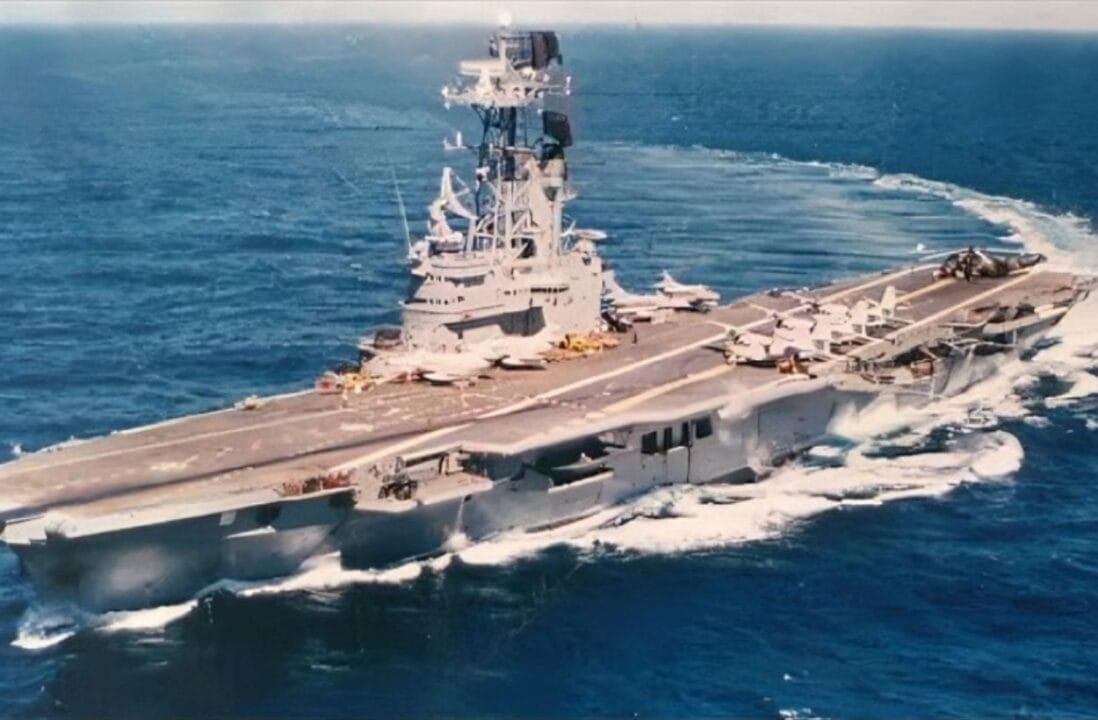

The Brazilian Navy, in response to Argentina, planned a heavy cruiser in the 20th century to surpass the Argentine vessels of the Veinticinco de Mayo class. This project, driven by naval rivalry and technological ambition, proposed a ship with superior armaments and robust armor designed to ensure Brazilian naval supremacy.
In the naval landscape of the 20th century, the Brazilian Navy aspired to a grand achievement: to build a heavy cruiser capable of surpassing the famous Argentine ships of the Veinticinco de Mayo class. This project not only symbolized naval power but also served as a direct response to Argentina, seeking to guarantee Brazilian supremacy in South American waters.
In the 1930s, Brazil, observing Argentina’s naval advancement with the acquisition of the heavy cruisers Almirante Brown and 25 de Mayo, began planning a ship that would not only match but surpass these formidable adversaries. The Brazilian cruiser, inspired by the British York class, swould be an engineering marvel, with a standard displacement of 8,500 tons and armed with six 203 mm guns.
Cruiser Project for the Brazilian Navy


This ambitious project reflected regional competition and the arms race in Latin America. The Veinticinco de Mayo class cruisers, although imposing, could not compare with the planned Brazilian cruiser in terms of armament and technical capability. With superior secondary armament and robust 76 mm armor, the Brazilian ship would have been a formidable addition to the fleet of the Brazilian Navy.
-
They exchanged the idea of a large house for a 35 m² warehouse, spent US$ 12,000 on the structure, and created a tiny house in Colorado with space to live and work.

-
While modern cities rely on pumps and electricity, in Iran, ancient tunnels carried water through the desert using only slope and gravity.
-
Instead of sending families far from the city, a project in Chile intentionally created incomplete houses on expensive urban land and left technical space for each to grow.
-
General Motors Replaces Over a Thousand Workers with 50 Cobots at Electric Vehicle Plant, UAW Union Criticizes Move Amid Industry’s Automation Push


However, the geopolitical and economic reality intervened. The London Naval Treaty, signed in 1930, imposed limitations on the construction of new warships, which, along with the onset of World War II, changed the priorities of the Brazilian Navy. Resources and attention were redirected towards the construction of destroyers and the defense of Brazil’s vast coastline.
The transition to World War II and the need to defend the Brazilian coast led to the abandonment of this bold cruiser project. The dream of a Brazilian cruiser, which would rival those of Argentina, remained unfulfilled, but the story of this unbuilt ship stands as a testament to the period of intense rivalry and naval ambition in Latin America.
What Were Cruisers?
Cruisers, which emerged in the 17th century, evolved from exploration ships to powerful oceanic units. Originally smaller and faster, they became, with the innovation of steam propulsion in the 19th century, larger and more heavily armed vessels capable of independent and prolonged operations. The introduction of battle cruisers in the 20th century, marked by the arms race between naval powers, exemplifies the evolution of these ships, culminating in the crucial role they played in conflicts such as World War I.
Historically, Brazil had several cruisers, such as those of the Bahia class, but currently, it has none in active service. The Brazilian Navy has operated 16 cruisers over time, reflecting the importance of these vessels in earlier periods. Today, its fleet is diversified, including frigates, corvettes, and submarines, but without the presence of cruisers.
Differences Between Frigates, Corvettes, and Cruisers
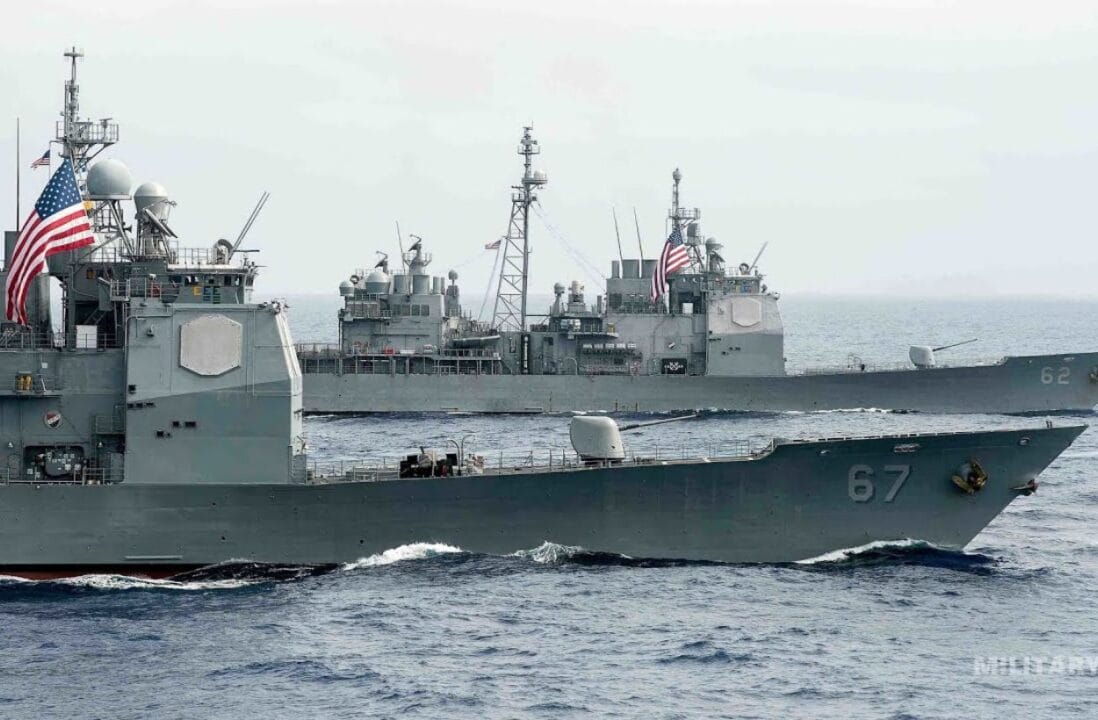
While frigates are larger and intended for escort and defense missions, equipped to face maritime and aerial threats, corvettes are smaller, focused on coastal patrols and monitoring missions, with limited combat capabilities. Cruisers, on the other hand, are larger ships with greater firepower, designed for autonomous and long-range operations, carrying out offensive and defensive missions on a large scale.
Currently, the most imposing ship in the Brazilian Navy is the PHM Atlântico (A140), a multipurpose helicopter carrier that stands out for its versatility and force projection capability. With the ability to transport a large number of marines and equipment, the Atlântico represents the pinnacle of Brazilian naval power in the contemporary scenario, symbolizing the evolution and modernization of the country’s armed forces.