Portuguese
  Spanish




CSN and WEG Closed an Agreement for the Development of Sustainable Steel That Will Use Graphene. The Limit for Industrial Scale Will Be by Next Year.
The National Steel Company (CSN) and the multinational WEG have formed a technological cooperation partnership for the integration of graphene into the production chain of coated steel. Initial tests were conducted in the lab and achieved positive results. Now, the initiative is moving towards conducting industrial-scale tests, which should take place by the end of 2023 and will determine whether there is economic viability for the development of new steel products using the nanomaterial.
CSN and WEG May Create a Joint Brand for the Sale of Graphene-Based Sustainable Steel
If the industrial tests are successful, the companies do not rule out the chance of developing a joint brand to consolidate the commercial positioning of the new products; however, the window is still open regarding business alternatives.
The CSN and WEG are in a waiting pattern until the experiments are completed, as the process is already in the pilot phase. On the other hand, executives from both companies regularly discuss to closely monitor the results of the integration of graphene into sustainable steel through a joint committee.
-
They exchanged the idea of a large house for a 35 m² warehouse, spent US$ 12,000 on the structure, and created a tiny house in Colorado with space to live and work.

-
While modern cities rely on pumps and electricity, in Iran, ancient tunnels carried water through the desert using only slope and gravity.
-
Instead of sending families far from the city, a project in Chile intentionally created incomplete houses on expensive urban land and left technical space for each to grow.
-
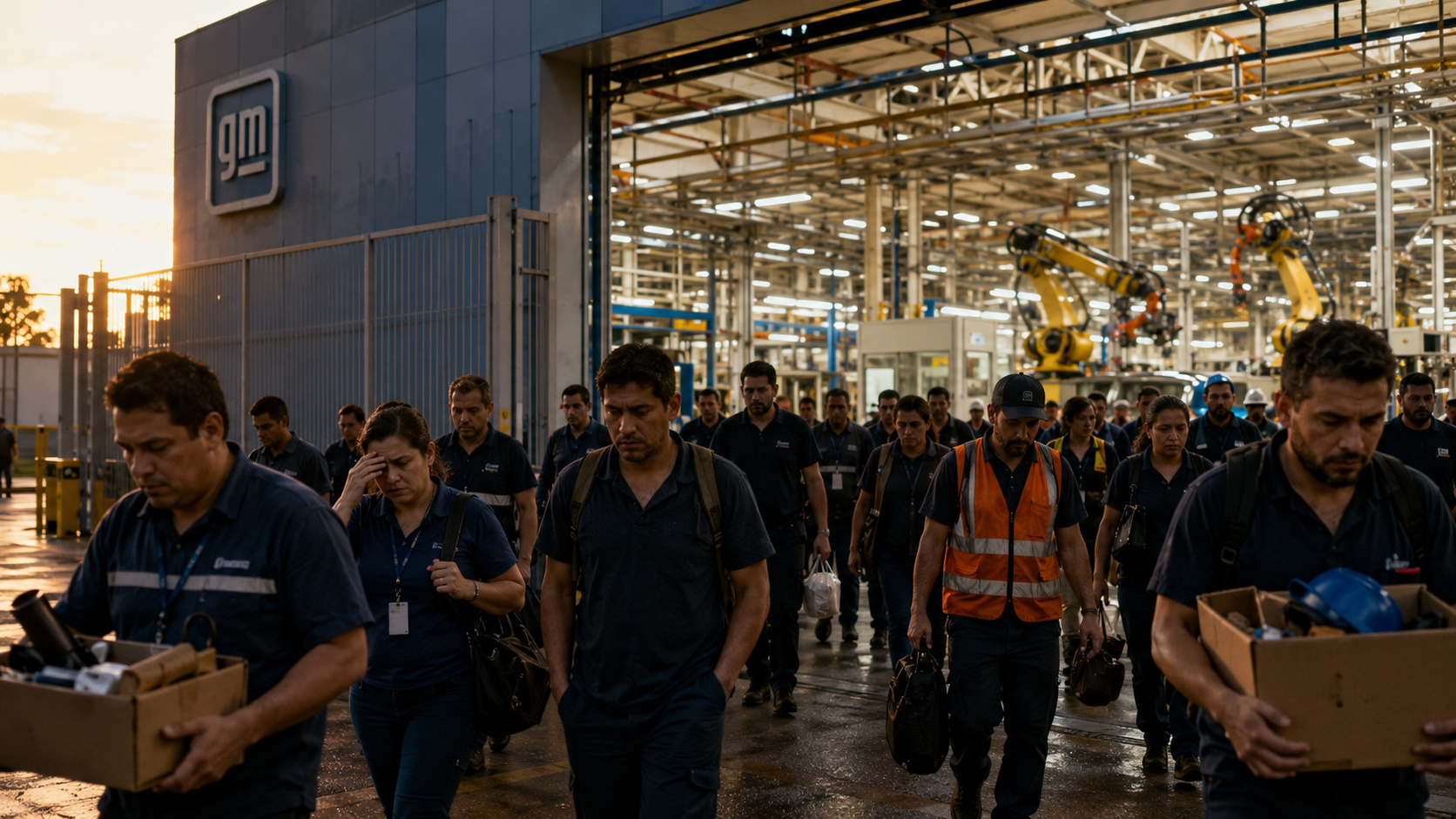
General Motors Replaces Over a Thousand Workers with 50 Cobots at Electric Vehicle Plant, UAW Union Criticizes Move Amid Industry’s Automation Push


Graphene-Based Steel May Result in a Steel Product Without Chrome Application
Executives are debating future possibilities for the technology and are supporting the operational teams leading the initiative. For now, the priority is on the commercial-scale development of graphene’s application on the surface of sustainable steel.
Led by the teams from CSN Inova and the innovation sector of WEG Tintas, the collaboration between the companies may result in the development of a steel product without chrome application, a toxic and heavy metal, which will be replaced by graphene, a material with sustainable potential and unique properties; however, it is still considered expensive and with few applications in the industry.
Benefits Provided by Graphene


The substitution would occur during the resin production stage, a material responsible for connecting the iron in the inner layer with the outer coating, which can be developed with various materials, such as zinc or aluminum.
Beyond the sustainable benefit, graphene gives steel greater physical resistance and durability, increasing the product’s added value, as the material’s lifespan is longer. According to the head of innovation management and technology development at CSN Inova, Felipe Spiri, graphene significantly enhances the metal’s resistance to corrosion.
The development of a new steel product made from the nanomaterial could favor margin gains (the difference between production costs and selling price) for CSN. Spiri emphasizes that this is a product made with advanced technology, so there is room to expand the margin.
A new sustainable steel made from graphene opens up a range of new revenue sources and already identifies a high demand for higher-quality materials. There are potential customers in the automotive sector, for example.
The Limit for Commercial Scale Will Be by the End of the First Half of 2024
Spiri highlights that markets with the greatest potential for the application of graphene-based sustainable steel should focus on white goods and the automotive and construction sectors. Geographically, Paraná is also the state with the most promising demand potential, in the event of success in industrial tests and commercial implementation.
The CEO of WEG Tintas, Rafael Torezan, states that the limit for commercial scale will be, at most, by the end of the first half of next year. The executive asserts that there is a significant interest in the new technology.
WEG is responsible for developing specific formulations to apply graphene in the resin that connects the steel with the coated material.