Portuguese
  Spanish


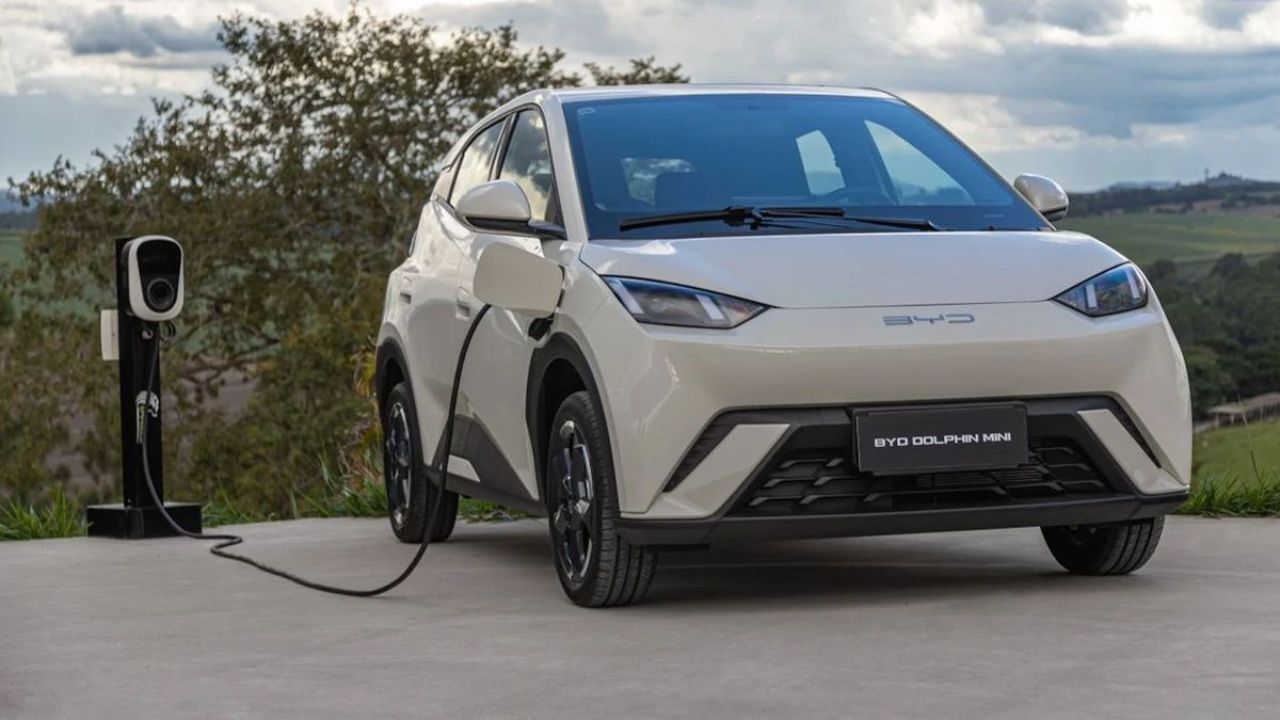

Electric Cars in Brazil Register Average Depreciation of 38% to 45% in Up to 3 Years, Compared to 10% for Combustion Vehicles. Expensive Batteries, Low Liquidity, and Rapid Technological Obsolescence Increase Risk to Consumers
Buying an electric car in Brazil may seem like a bet on the future of mobility, but there is one detail that frightens those considering resale: accelerated depreciation.
While combustion vehicles lose on average just over 2% of their value per year, 100% electric models can experience declines that are six times greater, raising alarms for consumers who plan to switch cars within a few years.
Depreciation Well Above Average
According to a survey published by the newspaper O Tempo, electric vehicles with two to three years of use are sold for up to 45% below the Fipe Table, even when they have low mileage.
-
Rolls-Royce Turns Heads with 30-Inch Floating Wheels, 6.6-Liter V12 Engine, and 563 Horsepower

-
2019 Kia Sportage EX: A Spacious and Cost-Effective SUV with 2.0 Flex Engine and Panoramic Roof
-
Fiat Strada Becomes Top Seller in June, Surpassing Onix, Polo, Hilux, and T-Cross with 107 HP Engine and 732 km Range.

-
Suitcase-sized hydrogen engine spins at 25,000 rpm, nearly doubling the efficiency of conventional cars and replacing exhaust smoke with water vapor


In contrast, combustion cars used in the same period show an average loss ranging from 10% to 15% of the initial value.
The consultancy InstaCarro reinforces the scenario: while a used electric recovers on average only 56% of the table price, combustion models can easily exceed 80% of the Fipe in negotiations for semi-new vehicles.
Why Do Electric Cars Lose So Much Value?
There are three main reasons for this difference:
- Rapid Technological Evolution – new releases come to market with greater range and features, making models from a few years ago less attractive.
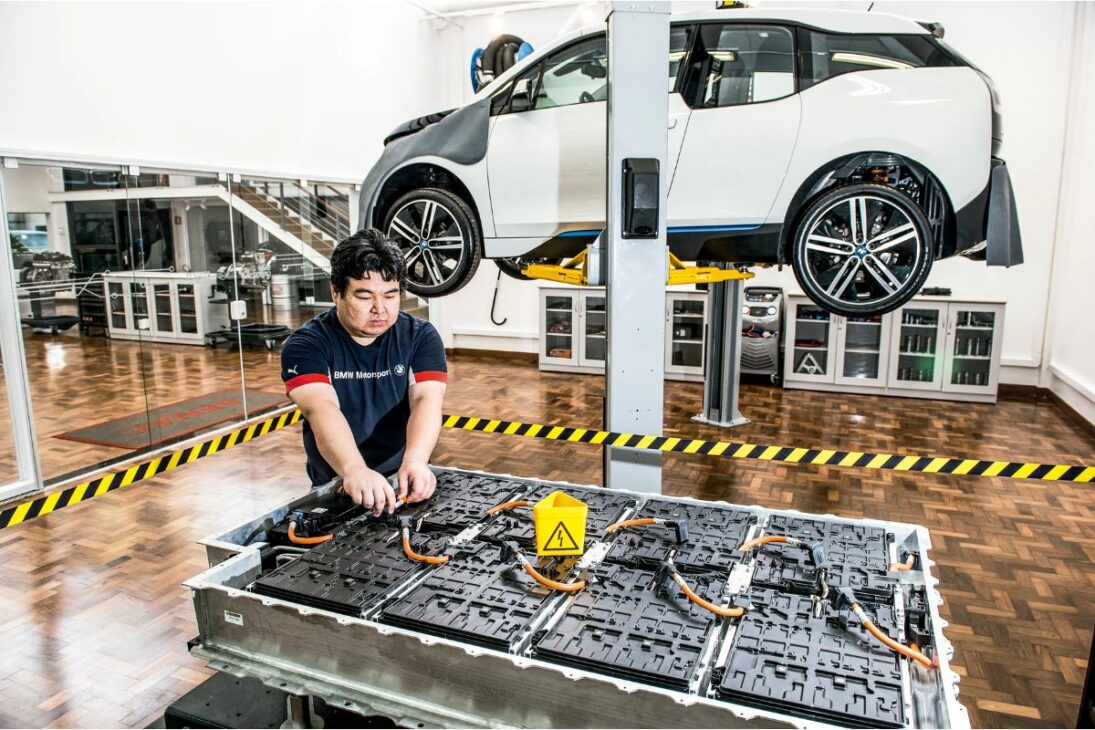
- Uncertainty About the Battery – in Brazil, there is still skepticism about the durability of batteries, which cost nearly the price of the car to be replaced.
- Insufficient Infrastructure – the low availability of charging points and specialized workshops discourages potential buyers of used vehicles, reducing liquidity in this market.
According to Webmotors, the average time an electric vehicle spends in stock is up to 26% longer than that of combustion or hybrid models, indicating that resale is slower and more difficult.
Direct Impact on Consumers’ Wallets
A study by UAI showed that some electric models lost up to 38% of their value in just one year, something rarely seen among traditional cars.
For those buying with the idea of switching vehicles in the medium term, this detail can represent a loss of tens of thousands of reais.
Additionally, as prices for new models remain high in Brazil, the sharp drop in resale value discourages those wishing to transition to electric mobility, hindering part of the expected growth for the sector.
Is the Risk Worth It?
The Brazilian electric car market is still in a maturity phase, and this is directly reflected in resale prices.
For those looking for a vehicle for long-term use, the purchase can be interesting due to lower maintenance costs and savings on fuel.
However, anyone considering resale in a few years needs to be aware that the depreciation of an electric car is much more aggressive than that of a combustion car, potentially reaching up to six times more.
In practice, the recommendation is simple: be cautious when buying an electric car in Brazil if the intention is to use it merely as a stepping stone for a quick model change.
The loss in value can turn the dream of sustainable mobility into a considerable setback.