






 Portuguese
  Spanish
  2 min of reading
  0 comments


The exports of the agribusiness of Minas Gerais totaled US$ 5.8 billion and 4.8 million tons between January and April, with a decline compared to 2025, but Minas Gerais remained among the three largest exporting states in the country, supported by the strength of coffee, the advancement of meats, and the diversification of products.
The exports of the agribusiness of Minas Gerais decreased in value and volume in the first four months, but Minas Gerais maintained its presence among the three largest exporting states in the country, sustained by the strength of coffee, the advancement of meats, and the diversification of products sent to 160 countries.
The exports of the agribusiness of Minas Gerais totaled US$ 5.8 billion between January and April, with 4.8 million tons shipped, a decrease of 11.9% in value and 9.3% in volume compared to the same period in 2025.
Agribusiness exports remain concentrated in coffee
Coffee continued as the main product of the Minas Gerais agenda. The sector reached US$ 3.2 billion and 7.4 million bags exported, but recorded declines of 17.5% in value and 26% in volume in the analyzed period.
-
In Virginia, a family of small-scale farmers refused to swap the countryside for the city and transformed their milk production into award-winning artisanal cheese from Mantiqueira de Minas.

-
The alligator that was once illegal game has become a business in the Pantanal: Caimasul, the largest alligator slaughterhouse in the world, slaughters nearly 100,000 per year and exports alligator leather and alligator meat.
-
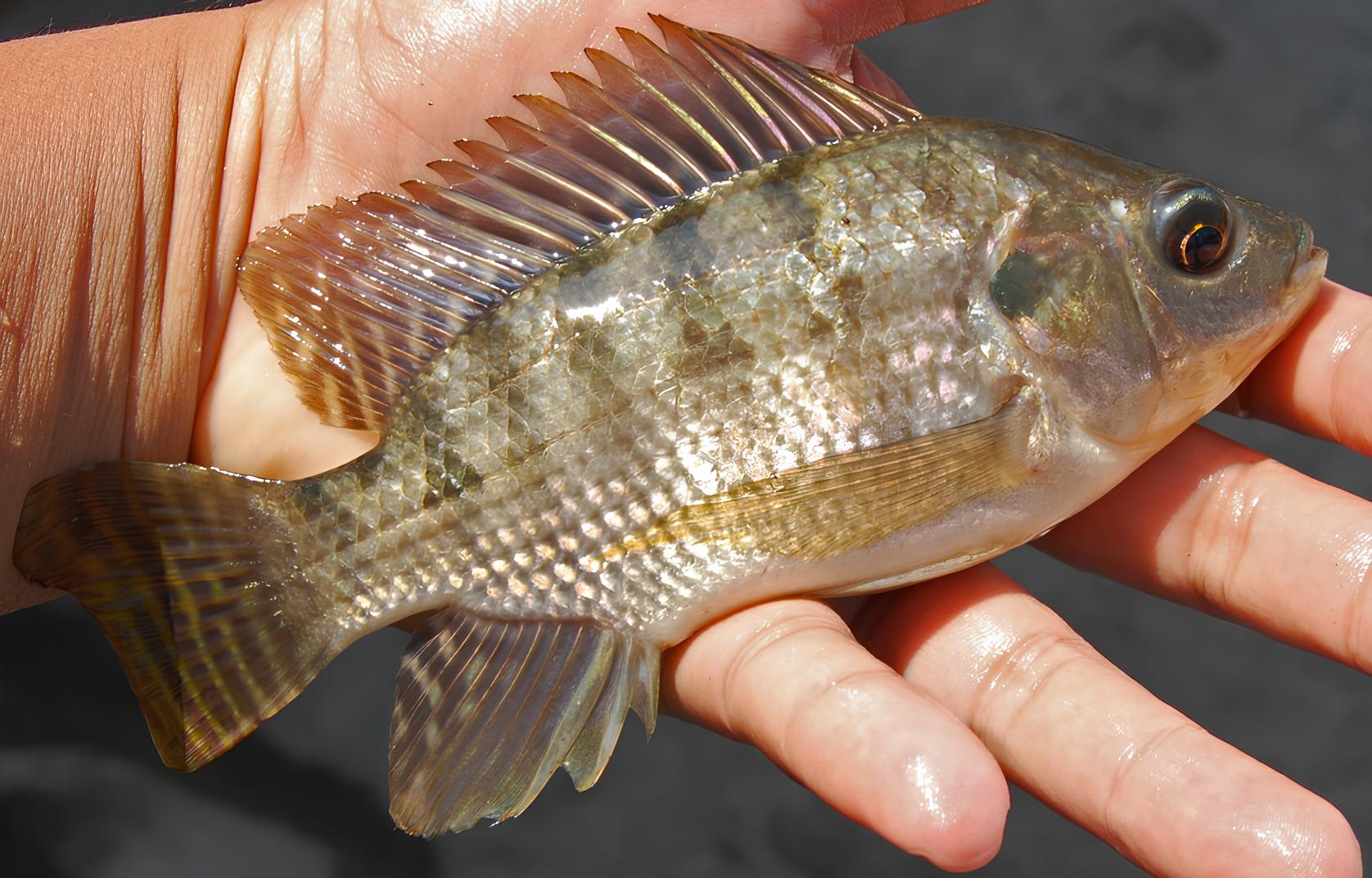
At 17, Andressa swapped the city for life in the countryside with her father on a farm in Minas Gerais, where they take care of 15,000 fish in aquaculture, cows, and other animals.
-
Organic grape juice from São Roque surprises experts, scores over 90 points in a blind test, and wins a national award after six years of agroecological research.




The technical advisor of Seapa, Manoela Teixeira, stated that the reduction did not affect all chains. Meats, seeds, cotton, paper, live animals, leather, fruits, and beverages had positive results and helped to show greater diversification.
Meats advance and soy ranks second
The soy complex, composed of grain, meal, and oil, occupied the second position, with US$ 1.14 billion and 2.71 million tons. The declines were 2.8% in value and 8.9% in volume.
Beef, pork, and chicken meats were the main highlight of growth. The group exported US$ 576.7 million and 160 thousand tons, increases of 8.2% in value and 0.7% in volume, driven by beef.
European Union leads purchases and Mercosur diversifies
The European Union bought US$ 1.7 billion, equivalent to 29.6% of the agenda, with coffee accounting for 94.4% of the value sent to the bloc. Forest products grew 42.8%, and meats more than doubled.
In Mercosur, sales totaled US$ 82 million. The value fell 2.1%, but the volume increased 10.1%. Argentina concentrated 63.2% of the purchases, in a more diversified agenda that includes coffee, cocoa, meats, horticultural products, and forest products.






Be the first to react!