Portuguese
  Spanish


Curitiba Advances In Energy Transition With The New UFPR Pilot Plant Focused On Green Hydrogen Production, Highlighting Innovation, Research, And Renewable Energy Generation In Paraná
This Friday, October 17, 2025, Curitiba took a decisive step towards sustainable energy transition by inaugurating the renewable hydrogen pilot plant on the campus of the UFPR Polytechnic Center.
The project, part of the Biogas-to-H2 (B2H2) Consortium, represents a pioneering initiative in Brazil for the production of green hydrogen from biogas, reinforcing the commitment of the Paraná capital to renewable energy and technological innovation.
Overview Of The UFPR Project: Innovation And Sustainability
The pilot plant installed at the Federal University of Paraná (UFPR) is the result of a partnership between public and private institutions, notably including Copel GT, a subsidiary of the Paraná Power Company, and supported by the Ministry of Mines and Energy.
-
Brazilian scientists are simultaneously advancing two research projects on clean hydrogen and driving solutions that could transform the energy matrix, enhance industrial competitiveness, and accelerate large-scale emission reduction targets.

-
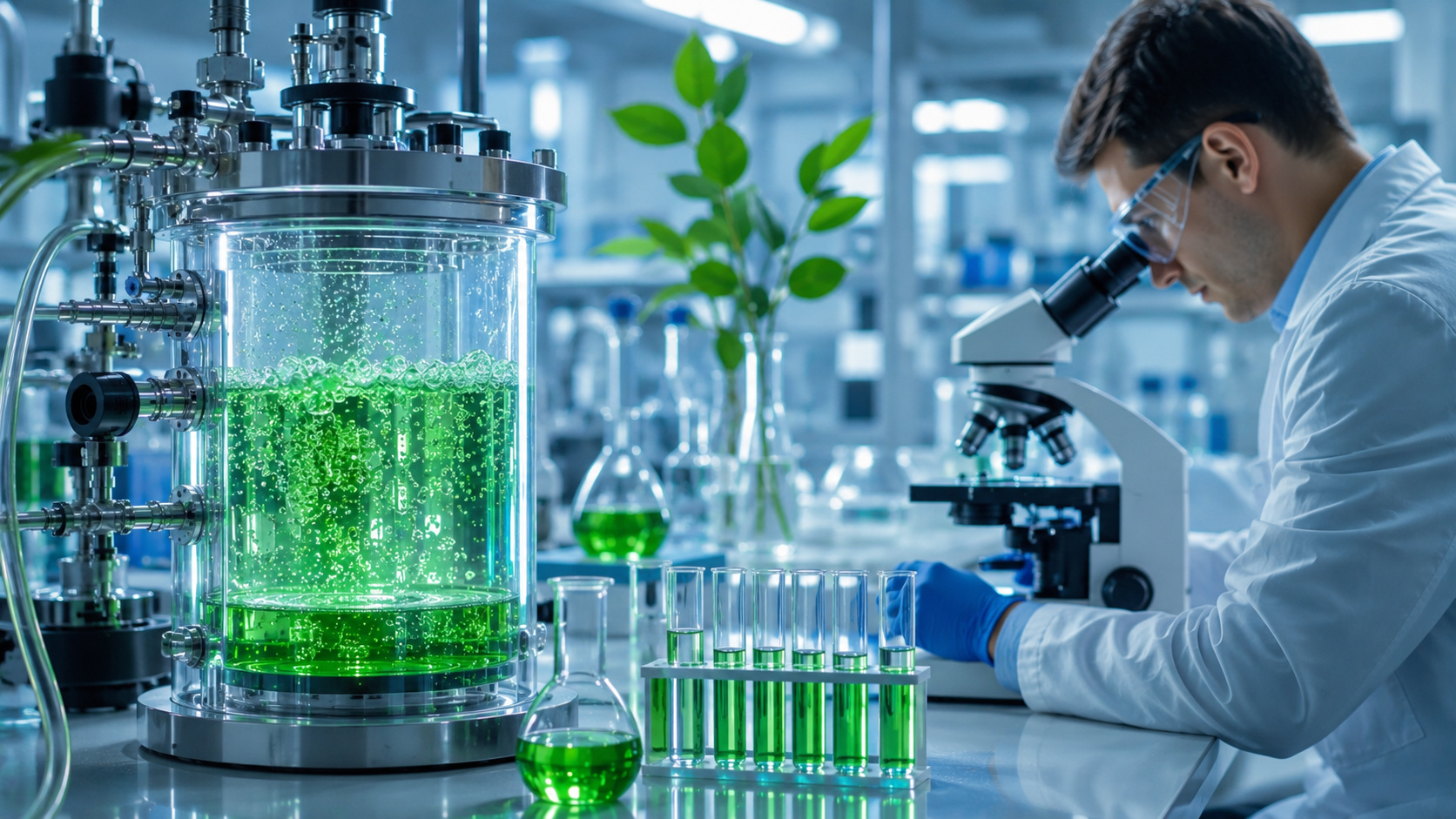
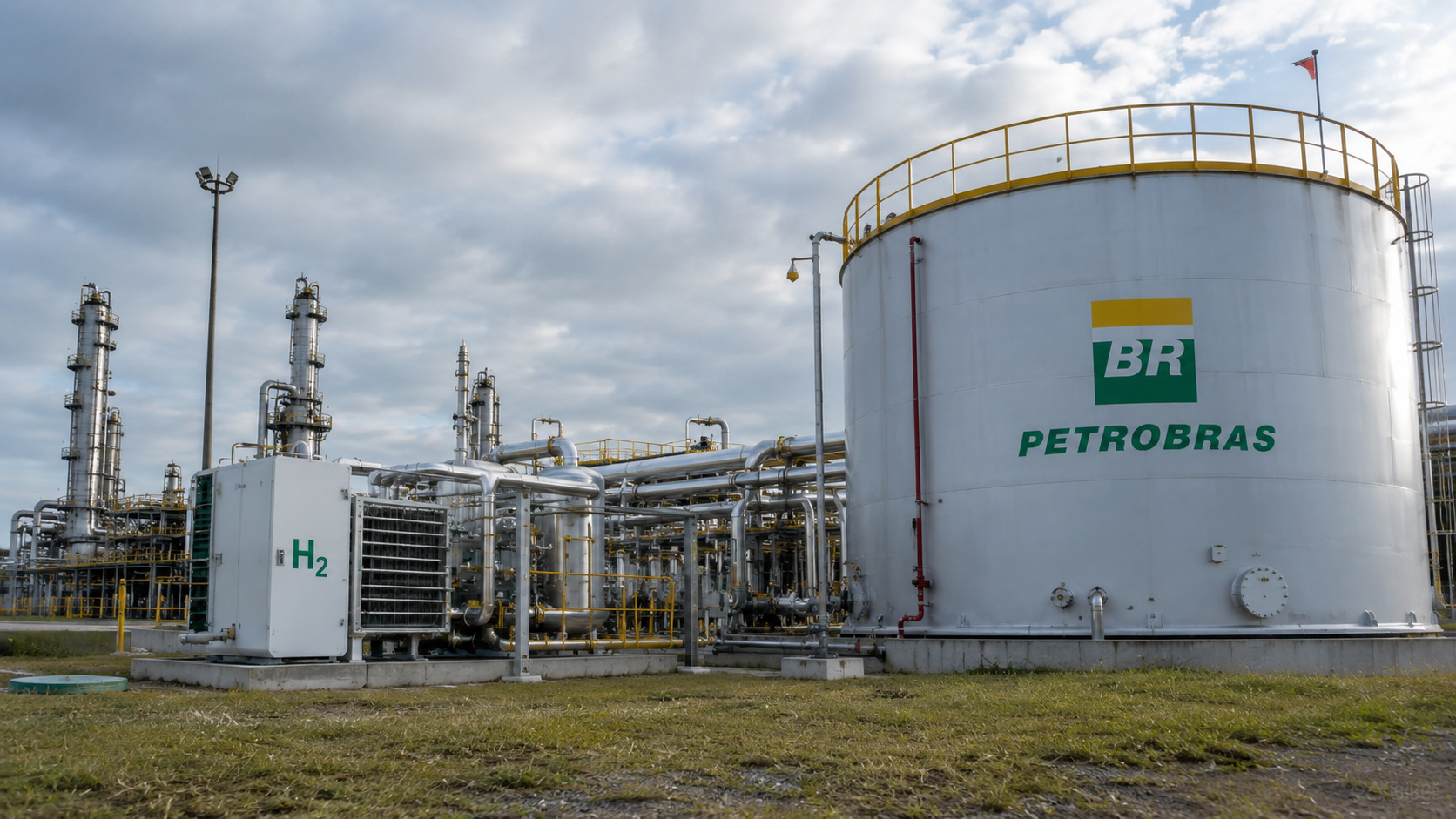
Advancement in renewable energy: A R$ 150 million project launched by Petrobras and Finep aims to create state-of-the-art electrolyzers for green hydrogen, strengthening national research and preparing Brazil to compete in a billion-dollar energy market.
-
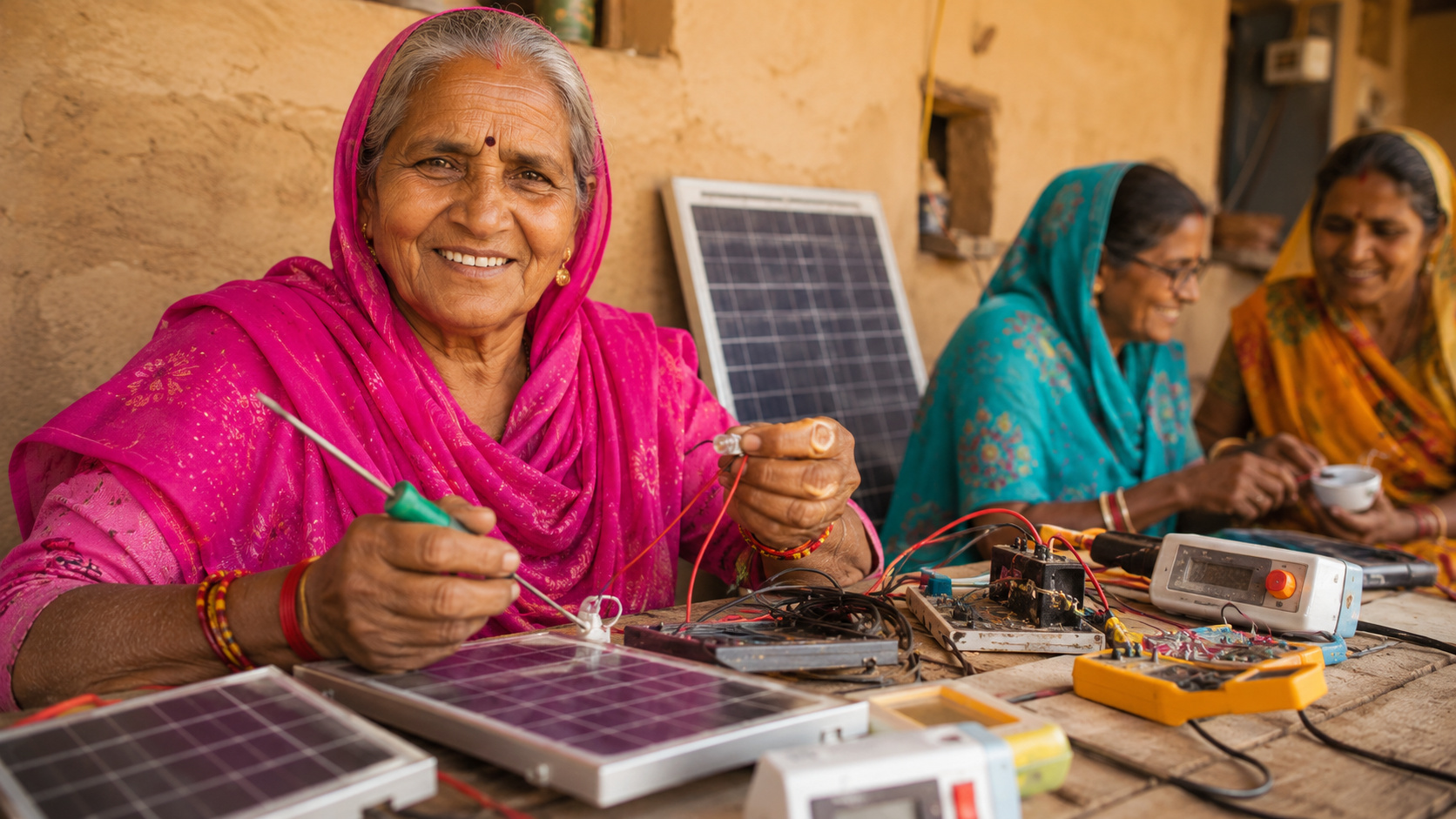
Illiterate or semi-literate grandmothers were trained to repair solar systems, open rural workshops, and light up homes that still depended on kerosene.
-
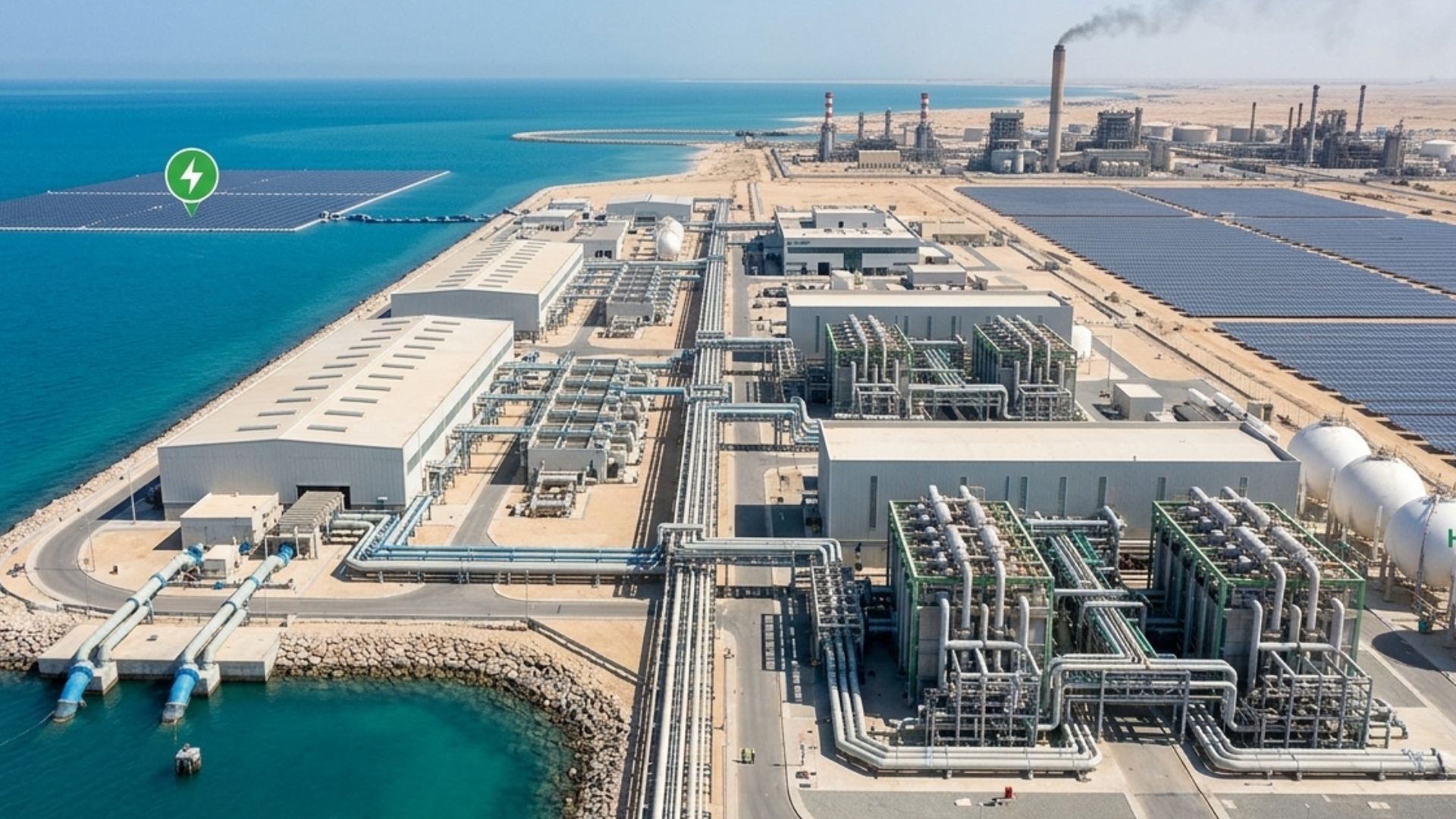
The world has bet on green hydrogen as the fuel of the future, but now faces the side effect: producing 1 kilogram requires about 9 liters of ultrapure water, and the largest projects on the planet are precisely in the driest regions of the Earth, where water is already scarce for people.

The project was selected to be part of Brazil’s investment plan under the Climate Investment Funds – Industry Decarbonization (CIF-ID).
The main objective is to produce green hydrogen with low carbon emissions, using biogas generated at sewage treatment stations as raw material.
This process is made feasible through catalytic reforming, an advanced technology that transforms biogas into synthesis gas, the basis for hydrogen generation.
Curitiba As A National Reference In Green Hydrogen
Curitiba establishes itself as a hub of energy innovation by hosting one of the first pilot plants in the country focused on renewable hydrogen production in a university setting. The initiative reinforces the city’s role as a model for sustainable development and smart urban planning.
Additionally, the strategic location of the plant on the UFPR campus favors the integration of academic research and practical application, allowing students and researchers to actively participate in the development of cutting-edge energy solutions.
UFPR And The Science Applied To Energy Transition
The UFPR plays a central role in the project, providing infrastructure, technical knowledge, and scientific support for the operation of the plant. The university is part of the B2H2 consortium and contributes studies on catalytic reforming, energy efficiency, and environmental impacts of green hydrogen production.
The presence of the pilot plant in the academic environment encourages the training of skilled professionals, as well as fostering applied research in areas such as chemical, environmental, and energy engineering. This synergy between academia and industry is essential to accelerate the transition to a cleaner and more resilient energy matrix.
Green Hydrogen: Fuel Of The Future
Green hydrogen is considered one of the pillars of global decarbonization. Produced from renewable sources such as biogas, solar, or wind energy, it does not emit greenhouse gases during its production or use.
In Brazil, the National Hydrogen Program (PNH2) establishes guidelines for the development of the low-emission hydrogen production chain. The Curitiba pilot plant aligns with these goals, serving as a testing laboratory and validation of technologies that could be replicated at an industrial scale.
Biogas As A Driver Of Sustainability And Innovation
The use of biogas as an input for green hydrogen production is an intelligent and sustainable solution. Generated from the decomposition of organic waste, especially in sewage treatment stations, biogas is an abundant and renewable source.
Transforming waste into clean energy is a clear example of the circular economy, where what was once discarded gains energetic value. This approach reduces reliance on fossil fuels, improves urban waste management, and contributes to climate change mitigation.
Environmental And Economic Benefits For Curitiba And Paraná
The implementation of the pilot plant brings direct benefits to the state of Paraná. Environmentally, it contributes to the reduction of pollutant gas emissions and the utilization of organic waste.
Economically, it paves the way for the creation of skilled jobs, attraction of investments, and development of new technologies.
Moreover, the project strengthens Paraná’s image as a state committed to innovation and sustainability, potentially serving as a model for other regions in the country.
Challenges And Future Perspectives For Green Hydrogen
Despite the advancements, the production of green hydrogen still faces technical and economic challenges. The cost of production, distribution infrastructure, and safe storage are critical points that require innovative solutions.
However, the inauguration of the pilot plant in Curitiba represents a concrete step towards overcoming these obstacles, allowing for tests in a controlled environment and the development of technologies adapted to the Brazilian reality.
The expectation is that in the coming years, new plants will be installed in different regions, increasing the national capacity for renewable hydrogen production and consolidating Brazil as a leader in the energy transition.

Transformative Potential Of The Pilot Plant At UFPR
The inauguration of the green hydrogen pilot plant on the UFPR campus in Curitiba marks a historic moment for clean energy in Brazil. The project combines technological innovation, environmental sustainability, and academic integration, positioning Paraná as a protagonist in renewable energy production.
Transforming biogas into hydrogen is more than an innovation: it’s an energy revolution. With institutional support, public investment, and scientific collaboration, Brazil advances towards a cleaner, more efficient, and sustainable future.
Curitiba shows that it is possible to unite science, the environment, and economic development in the same project. The pilot plant is just the beginning of a journey that could transform the national energy matrix and inspire other cities to follow the same path.