Portuguese
  Spanish


According to ASN Rio and Conexão Safra, Samiê Seabra accepted her father Mr. Wilson’s request, reopened a guava paste factory at Sítio Taipabas in Italva, professionalized Doce Taipabas with Sebrae Rio, and created rural tourism with guided tours, tasting, and artisanal production in Northwest Fluminense in 2026.
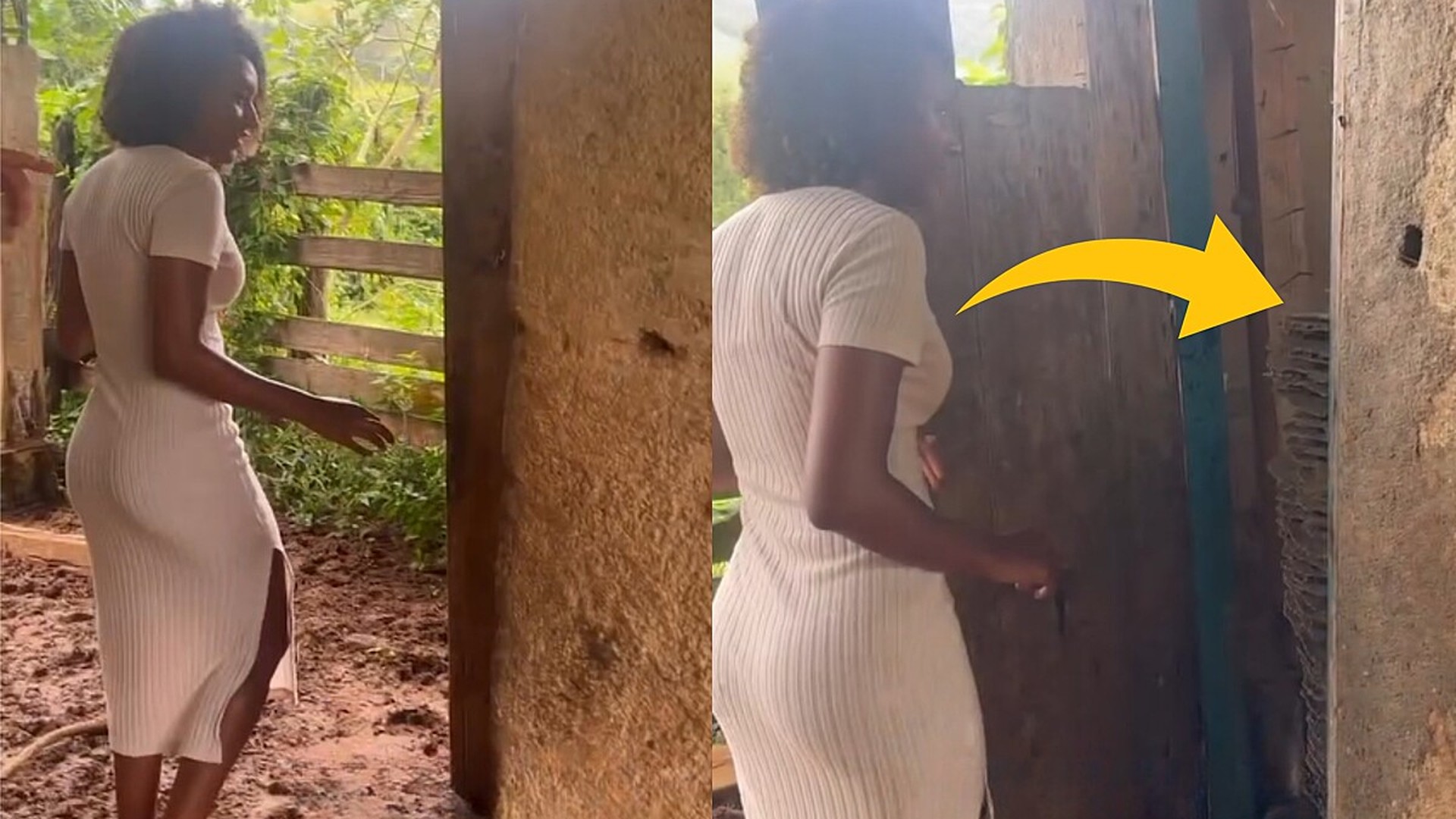
The guava paste factory at Sítio Taipabas resumed operations in Italva, in Northwest Fluminense, after Samiê Seabra took over the family production at the request of her father, the rural producer Mr. Wilson. The structure was idle, needed improvements, and a large part of the guavas was sold to other industries.
The story was published by the Sebrae News Agency Rio de Janeiro on March 3, 2026, and also by Conexão Safra on March 4, 2026. According to the sources, Samiê agreed to resume production in 2022, alongside her husband Lúcio, and began transforming the traditional guava paste into a structured business.
Father’s request turned into a business decision
When he invited his daughter to take over Sítio Taipabas, Mr. Wilson wanted to see the family’s traditional guava paste being produced locally again. However, the scenario required more than just resuming a recipe: it was necessary to reorganize the structure, improve production, and find a viable commercial positioning.
-
The government of Dubai launched “bread for all,” a vending machine that operates 24 hours a day, seven days a week, and distributes freshly baked bread for free to those in need, and also accepts donations from those who want to help feed the city.

-
Two Palestinian sisters created reusable blocks from rubble in Gaza, using clay, ash, and glass powder in a simple and low-cost process, and were chosen among the 35 best teams in the world for an environmental award for young people aged 13 to 19.

-
Pink Himalayan salt comes from dark tunnels in Pakistan with explosions, tractors, and giant blocks, supplying more than 80 countries and becoming an expensive product in Western markets, despite studies indicating microplastics, heavy metals, and health promises without solid scientific evidence.
-
A 17-year-old teenager from Paraíba didn’t have money to buy a professional telescope, so he built equipment with margarine buckets and a wall mirror, saw the Moon up close, went viral on social media, and now takes children from the Sertão to observe planets, stars, and nebulas in squares and schools.


Samiê Seabra identified this potential by observing the expansion of rural tourism in the region and the presence of guava paste in local gastronomic experiences. The resumption was not treated merely as a family memory but as an opportunity to reposition an artisanal product within a growing regional market.
Idle structure needed improvements
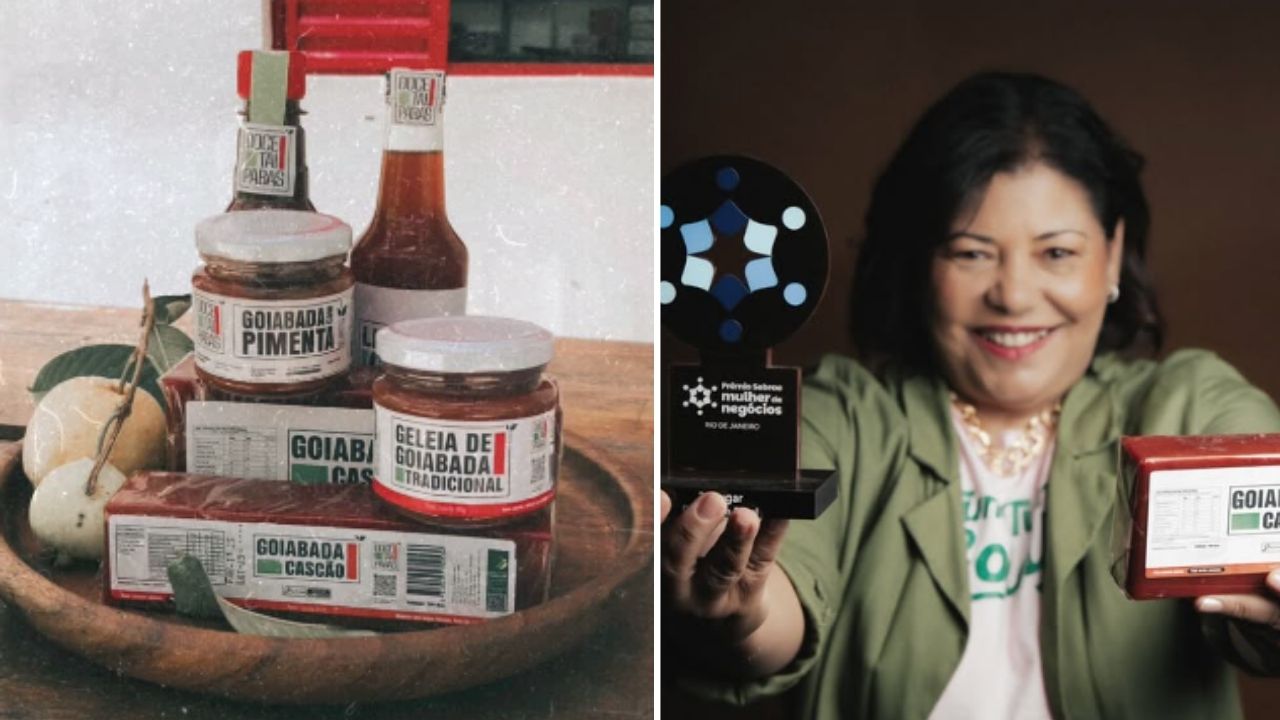
The factory was not operational and needed adjustments to resume production safely and regularly. Additionally, a significant portion of the guavas from the farm was sent to other industries, which reduced the possibility of adding value within the property itself.
Upon taking over the process, Samiê began organizing the production of Doce Taipabas. The decision allowed the fruit to stop being just raw material sold to third parties and to be transformed back into artisanal guava paste with its own identity at Sítio Taipabas.
Doce Taipabas returned to family farming fairs
After the resumption, Doce Taipabas returned to participating in family farming fairs in the region. According to the source, the first major event took place in 2023, after Samiê organized the documentation and felt more secure with production and sales.
It was at this moment that the entrepreneur realized the need to professionalize management to sustain growth. The presence at the fairs served as a market test, bringing the brand closer to consumers and revealing the importance of commercial planning.
Sebrae Rio entered the professionalization stage
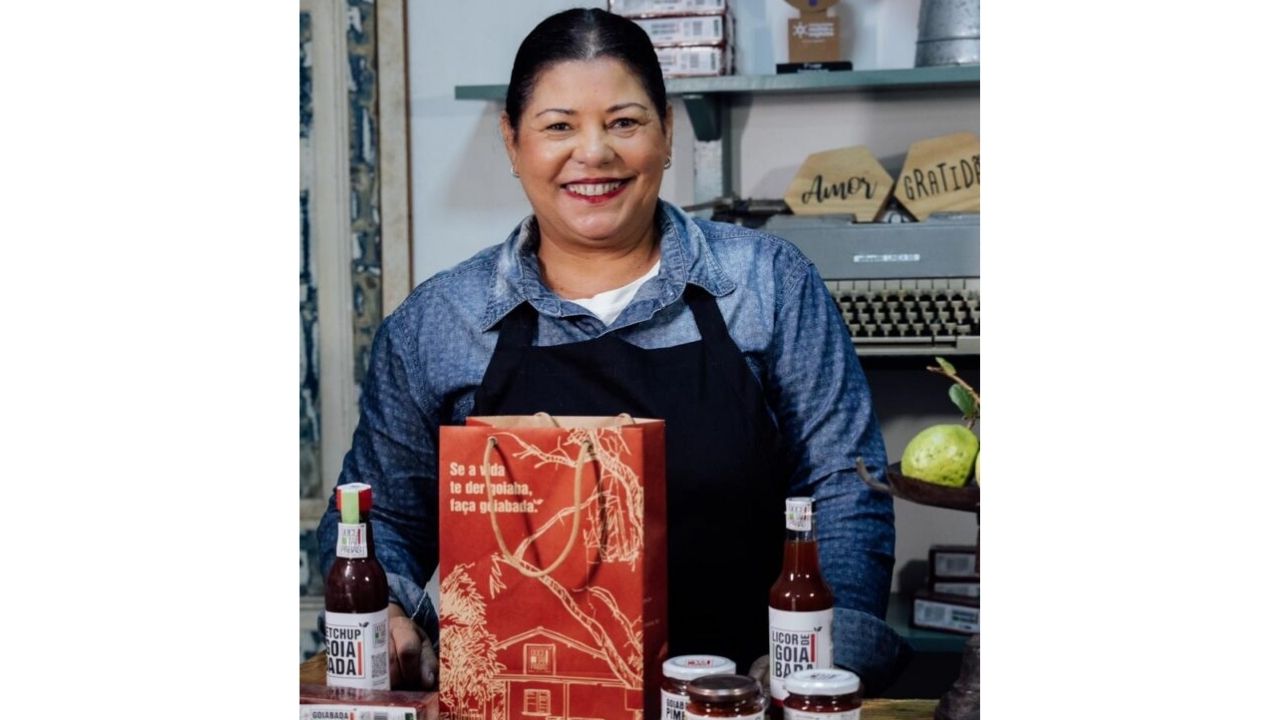
Samiê’s first contact with Sebrae Rio was through Sebrae Delas, a program aimed at women entrepreneurs. After that, she participated in workshops, financial consulting, and neuromarketing follow-ups to strengthen customer acquisition.
The guidance helped reposition the brand and organize growth. Doce Taipabas began to operate with a renewed identity, maintaining artisanal production but with a more structured management to serve end consumers, companies, fairs, and specialized points.
Traditional recipe was maintained in production
Even with changes in management, the brand maintained artisanal production and respect for the cooking time of the guava paste. The family’s traditional recipe continued to be a central element of the product, now associated with a clearer positioning strategy.
This balance is important for the business. The guava paste factory did not abandon the artisanal process, but began to better communicate its origin, its routine in the field, and its connection with Sítio Taipabas, strengthening brand value.
Rural tourism expanded the role of the site
In addition to direct sales of guava paste, Sítio Taipabas began offering agritourism experiences. Visits include a presentation of the production process, guided tours, and tastings, connecting food tradition, rural production, and income generation in the countryside.
The change transforms the property into an experience point, not just a manufacturing location. Visitors get to know the product’s history, the production routine, and the journey of the guava to the artisanal guava paste served in tastings.
Brand expanded partnerships and points of sale
With professionalization, Doce Taipabas strengthened its presence at fairs, expanded commercial partnerships, and began occupying specialized points. This movement helped the brand move beyond a purely local logic and gain a more organized presence in the regional market.
The source does not provide revenue numbers, production volume, or visitor numbers. Therefore, the central data is qualitative: the company repositioned artisanal production and began to combine product sales, rural tourism, and community relations.
Recognition came with Sebrae award
Samiê also secured a spot on the podium of the Sebrae Business Woman Award, in the Rural Producer category. The award is cited in sources as a form of recognition for the work developed at Sítio Taipabas.
The entrepreneur stated that on the day of the award, she realized she had fulfilled her father’s dream. In the journalistic text, this point is included as context of the journey, but the main focus is on the business: resumption of production, qualification, repositioning, and creation of rural tourism experiences.
Social networks helped form a community
The producer also began sharing the production routine, daily life in the field, and the preservation of the family legacy through social networks. This engagement helped create a community around Doce Taipabas.
More than promoting a product, communication brings customers closer to the artisanal process. When the public follows the manufacturing, harvesting, and visits to the site, the guava paste ceases to be just a sweet and starts to represent origin, territory, and experience.
Case shows how tradition can become strategy
The journey of the guava paste factory in Italva shows how a traditional product can gain new value when it connects to management, qualification, rural tourism, and territorial identity. The Taipabas Farm went from a halted structure to an operation with guided tours, tasting, and repositioned artisanal production.
The case also raises a question for other rural producers: is family tradition alone still enough to keep a business competitive, or is it necessary to combine recipe, brand, tourist experience, and professional management? Would you visit an artisanal guava paste factory to learn about the process and taste the product? Leave your opinion in the comments.