






 Portuguese
  Spanish
  3 min of reading
  4 comments


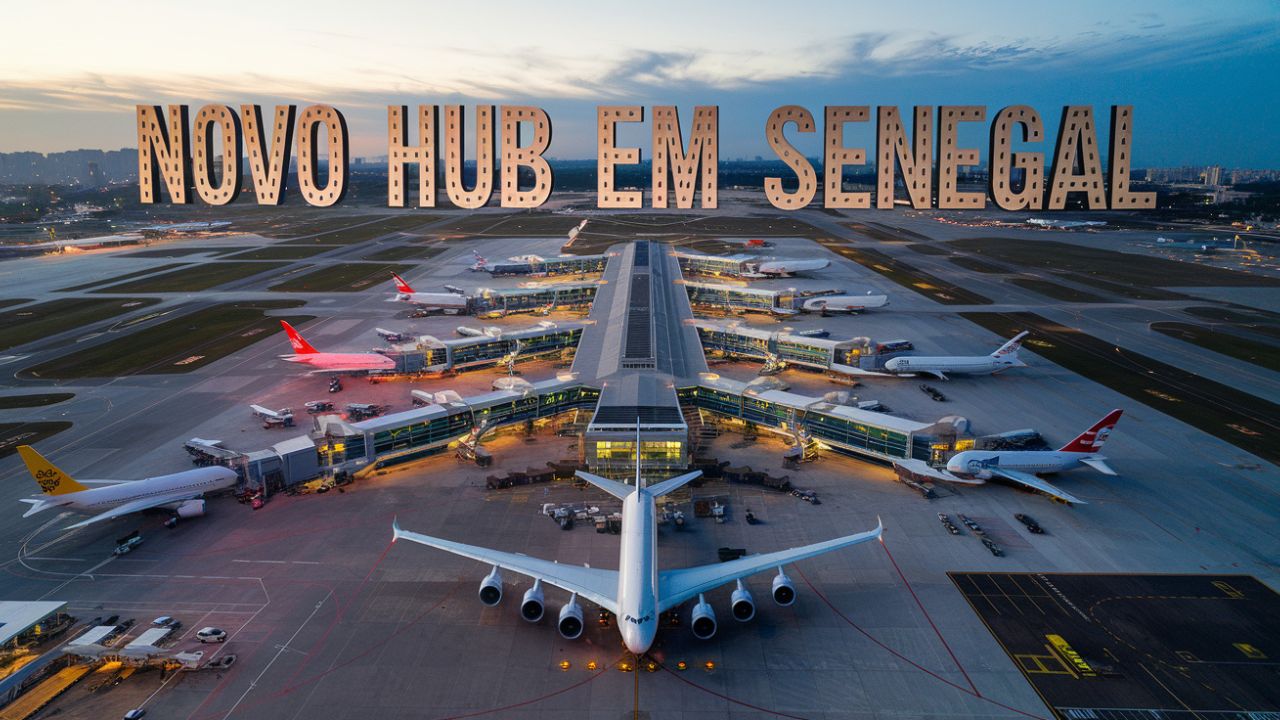


With a Capacity for 10 Million Passengers and Equipped to Handle Giant Aircraft Like the Airbus A380, the New Airport in Africa Replaced a Terminal That Operated with Congestion and Is Now a Reference in Modern Infrastructure.
An Airport That Emerged from the Shadows to Shine Like a Gem of African Infrastructure? This Is the Story of Blaise Diagne International Airport (AIBD), Which Put Senegal on the Global Aviation Map and Outshined Its Predecessor, the Historic Léopold Sédar Senghor International Airport.
The History of the Old Airport in West Africa
Léopold Sédar Senghor Airport, named after the first president of Senegal, was for decades the main entry point for world leaders and millions of passengers. Located in the heart of Dakar, it was more than just an airport: it was a symbol of hospitality and national pride. Imagine a red carpet rolled out for personalities like George Bush and Olaf Scholz — that’s how Senegal welcomed the world.
However, over time, urban growth and increasing demand turned the airport into a constantly congested area. Crowded runways, lack of space, and access difficulties highlighted the urgent need for a more modern and efficient solution.
-
Mato Grosso inaugurates the first 162 km stretch of the largest railway project underway in Brazil, with around R$ 5 billion invested to transport 10 million tons of grains per year to the Port of Santos.

-
Without money to pay rent and without an architect’s degree, a man took a chisel, chainsaw, and hammer, carved a house into the hillside, and built a fairy-tale dwelling that looks like it’s straight out of The Lord of the Rings in just four months for less than R$ 25,000.

-
A 33-year-old from Paraná received a quote of R$ 12,000 just for the structural base of the house, opened tutorials on YouTube, and transformed a family plot into a 200 m² two-story house for about half the price charged by professionals.

-
Without a mansion, without high investment, and without a traditional classroom, a teacher living in a 22 m² house taught students to build a 9 m² studio apartment with the equivalent of R$10,000.




The Vision of the Future: Blaise Diagne International Airport

In 2017, Senegal Inaugurated Blaise Diagne International Airport, a Grand Project That Cost 480 Million Dollars. Located 38 km from Dakar, the New Hub Covers 4,500 Hectares and Is Five Times Larger than the Old Airport. But It Was Not Just the Size That Changed. The Infrastructure Was Designed to Accommodate Up to 10 Million Passengers Per Year, Showcasing the Country’s Ambition to Become One of Africa’s Major Aviation Hubs.
Equipped to Receive Aircraft Like the Airbus A380, the Blaise Diagne Brings Cutting-Edge Technology and Modern Services That Transformed the Experience for Passengers. The Airport Set Clear Goals: Increase Tourist Traffic, Attract Investment, and Position Senegal as a Strategic Point of Global Connectivity.
Regional and Global Impacts
With the New Airport, Senegal Strengthened Its Position as a Transport Hub in West Africa. Air Connectivity Improved Significantly, Facilitating Trade and Attracting Investors Who See the Economic Potential of the Region.
The Tourism Sector Also Reaped Benefits. The Airport Now Welcomes More International Visitors, Boosting Hotels, Restaurants, and Cultural Activities. It’s Like Opening a Bigger Door for the World to Explore the Beauties of Senegal.
Comparison
While Léopold Sédar Senghor Served 2 Million Passengers per Year, Blaise Diagne Has Already Surpassed 2.9 Million and Has Capacity for Further Growth. Moreover, the New Airport Supports Larger and More Modern Aircraft, Something Infeasible for Its Predecessor.
Today, the Two Airports Play Different Roles. Blaise Diagne Is the Main Passenger Hub, While Senghor Has Been Converted to a Military and Cargo Base, but It Is Expected to Resume Civil Flights in 2024, Complementing the Country’s Aviation System.
The Construction of Blaise Diagne Airport Was a Milestone Not Only for Senegal but for All of West Africa. It Symbolizes Progress, Modernity, and Vision for the Future. With the Reopening of Léopold Sédar Senghor to Civil Traffic, the Country Can Further Balance Its Operations and Consolidate Its Role on the Global Stage.


pelo preço que custou, acabamento pobre. ckm certeza desvio de fundos
MUITO BOM UMA NOTICIA. QUE PODE TRANSFORMAR UMA NAÇÃO
Parabéns, Bruno Teles!!
Finalmente uma notícia realista e empolgante sobre África. África apresentada com perpectivas de crescimento e conexão com o Mundo. Queremos mais notívias nessa linha. Um abraço!!