






 Portuguese
  Spanish
  5 min of reading
  0 comments


The social renovation in Jardim Colombo transformed a small, stuffy, and poorly divided house into a more functional home. The project also demonstrated how construction for women can generate training, income, and dignity within the community itself.
The cleaner Wania Cesário lived with three children in a 24 m² house in Jardim Colombo, in São Paulo, until a renovation changed the structure of the property in 50 days and paved the way for a new profession in construction.
The dwelling had poor ventilation, limited space, and issues with room organization. The information was published by Record, a Brazilian television broadcaster with a video report, on May 27, 2026.
The renovation showed that a small house renovation doesn’t just change walls. It can improve air, light, the roof, the bathroom, the kitchen, and the daily routine of those living in a limited space.
-
A 10-year-old girl in Manaus created a styrofoam buoy with a sensor to detect trash in streams, became the sole representative from Latin America in an international challenge in London, and turned the pollution she saw near her home into a sustainable invention.

-
It was neither a crash nor abandonment; this retired plane left the airport in parts, crossed Costa Rica on trucks, and ended up becoming a suite in the heights with daily rates exceeding R$ 2,000.

-
She panicked when she saw her daughter fall from the crib; years later, she turned the experience into a factory generating R$ 9 million per year.

-
At 75 years old, João José de Carvalho, known as Mr. Janjão, was accepted for the second time by Sisu after overcoming distance, physical limitations, and years away from school, to fulfill his dream of studying Biological Sciences at UFPI.



24 m² House in Jardim Colombo Had Poor Ventilation and Tight Routine
Wania Cesário lived with her three children in a 24 m² house in Jardim Colombo, a community located in São Paulo. The property was small, stuffy, and had an internal division that made it difficult to use the spaces.
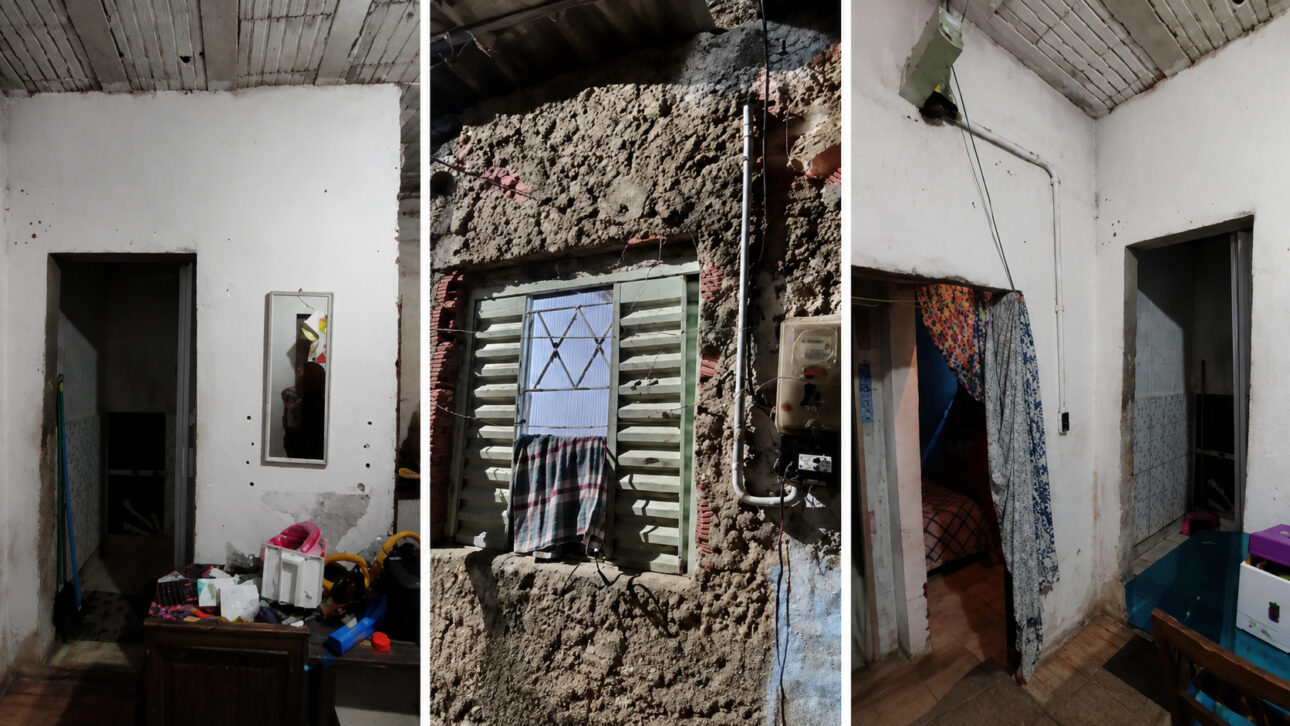
The lack of ventilation was one of the main problems. In a small house, stagnant air increases heat, makes rooms uncomfortable, and makes the routine more tiring for the whole family.
The situation became even more difficult after Wania lent the property to a pregnant friend and received the house vandalized. The renovation came to represent a chance to recover the home and improve life within it.
Renovation in 50 Days Raised the Ceiling Height, Replaced Tiles, and Reorganized Rooms
The transformation of Wania’s house took 50 days. The renovation affected essential aspects of the home, such as the ceiling height, the roof, the layout of the rooms, and the colors of the walls.
Ceiling height is the distance between the floor and the ceiling. When this height increases, air circulates better, and the house can feel less stuffy. For a home of 24 m², this type of change makes a difference in daily comfort.
The replacement of the tiles also played an important role. The roof protects from rain, affects the heat inside the house, and helps prevent problems that worsen the structure over time.
The renovation also reorganized the spaces. The house now includes a fully equipped kitchen, bathroom with electric shower, more comfortable bedroom, and laundry area in a space that was previously unused.
Fazendinhando has already renovated over 600 houses and works with dignified housing
Fazendinhando is connected to architect Esther Carro and works on housing renovations in Jardim Colombo. The initiative focuses on improvements in small homes, where well-planned changes can alter a family’s routine.
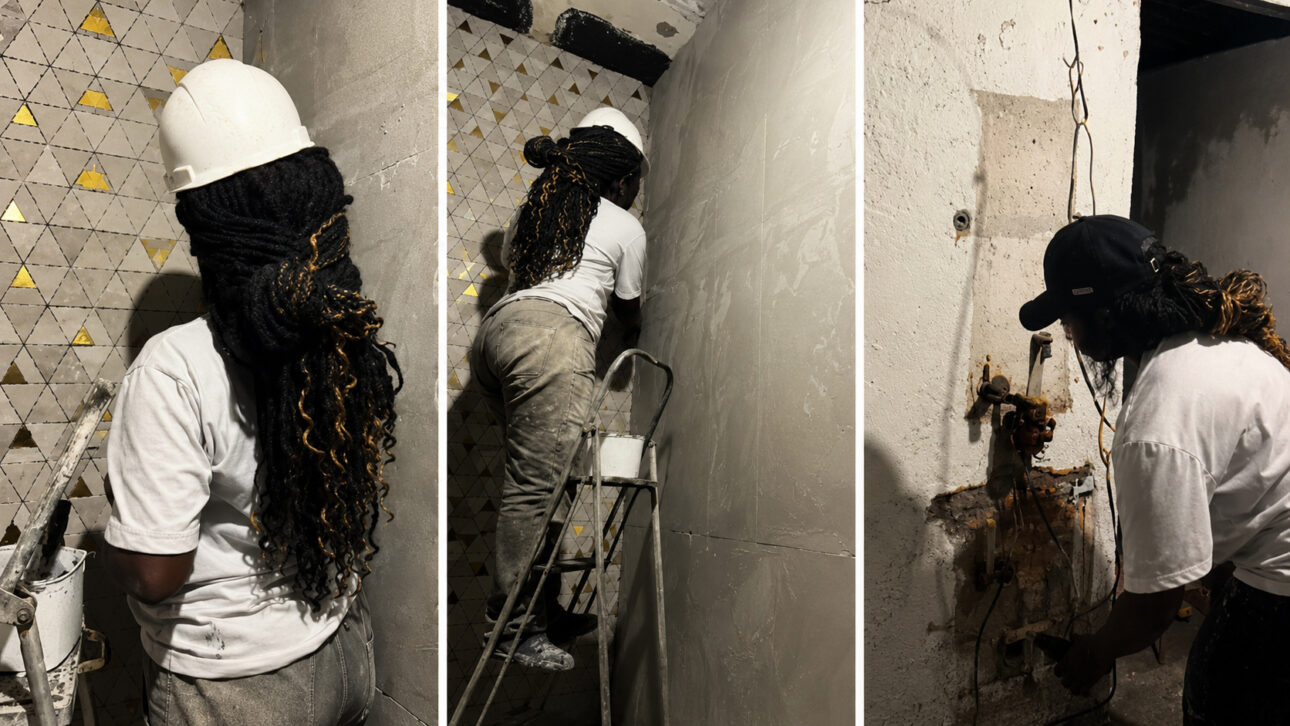
Record, a Brazilian television broadcaster with a video report, detailed that the project has already renovated more than 600 houses in nine years. The number shows continuous activity in a community where many families live in homes needing basic improvements.
This type of renovation can be understood as a social technology. In simple terms, this means using construction knowledge to solve real housing problems within the community itself.
In Wania’s case, the impact went beyond the house. She was also trained to work in construction, which opened a new professional opportunity after the renovation.
Empowering women in construction changes the home and the future
Construction is still seen by many as a field almost always done by men. Empowering women shows that construction also requires care, technique, attention to detail, and a willingness to learn.
Wania not only received a renovated house. She also went through a training experience that can expand her job opportunities in construction.
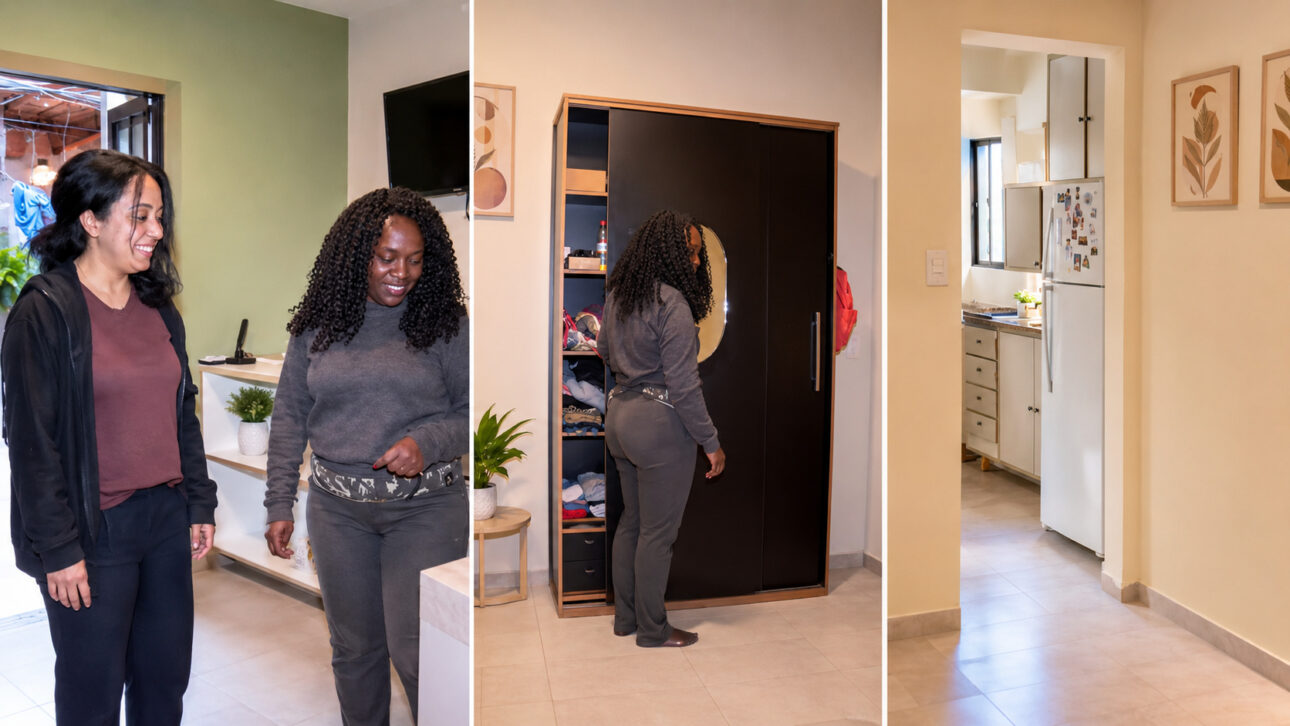
This part of the story is important because it combines housing and autonomy. The renovation improves the space where the family lives, while the training can help the resident build a new source of income.
When women learn construction techniques, they gain more power to understand their own home, participate in construction decisions, and occupy a professional space that still tends to have little female presence.
Small changes in the work improved light, ventilation, and use of spaces
Wania’s house renovation shows that a project doesn’t need to be huge to change a routine. In small houses, each adjustment can have a direct impact on the family’s comfort.
The reorganization of the rooms helped to make better use of the property. An area that was previously unused became a laundry room, which brought a practical function to daily life.
The new colors on the walls also contributed to the transformation. In small environments, refreshed walls can improve the sense of brightness and make spaces more pleasant.
The house also gained a bathroom with an electric shower and an equipped kitchen, two essential areas for any family. These improvements make the routine safer, more practical, and dignified.
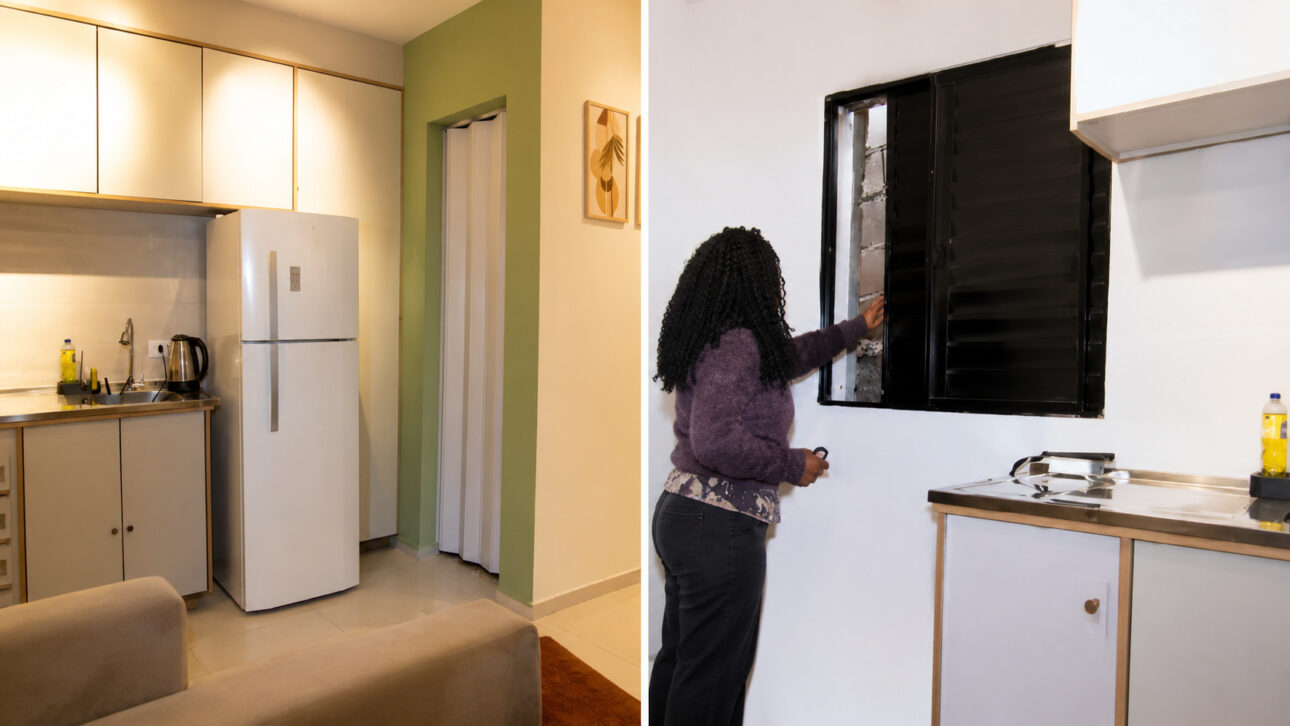
Social renovation in São Paulo shows that dignified housing also depends on details
Wania Cesário’s story shows how ventilation, roofing, ceiling height, and room division influence life inside the house. For those living in 24 m², every meter needs to work well.
Fazendinhando showed that civil construction can go beyond the building. In Jardim Colombo, the renovation of a cleaner’s house also opened up space for professional training and a change of perspective.
A more ventilated, organized, and safe house represents not just comfort. It changes the way a family rests, cooks, bathes, washes clothes, and occupies their own home.
Do you believe that social reform projects should expand to other Brazilian communities, combining decent housing and professional training for those who need it most?








Be the first to react!