Portuguese
  Spanish


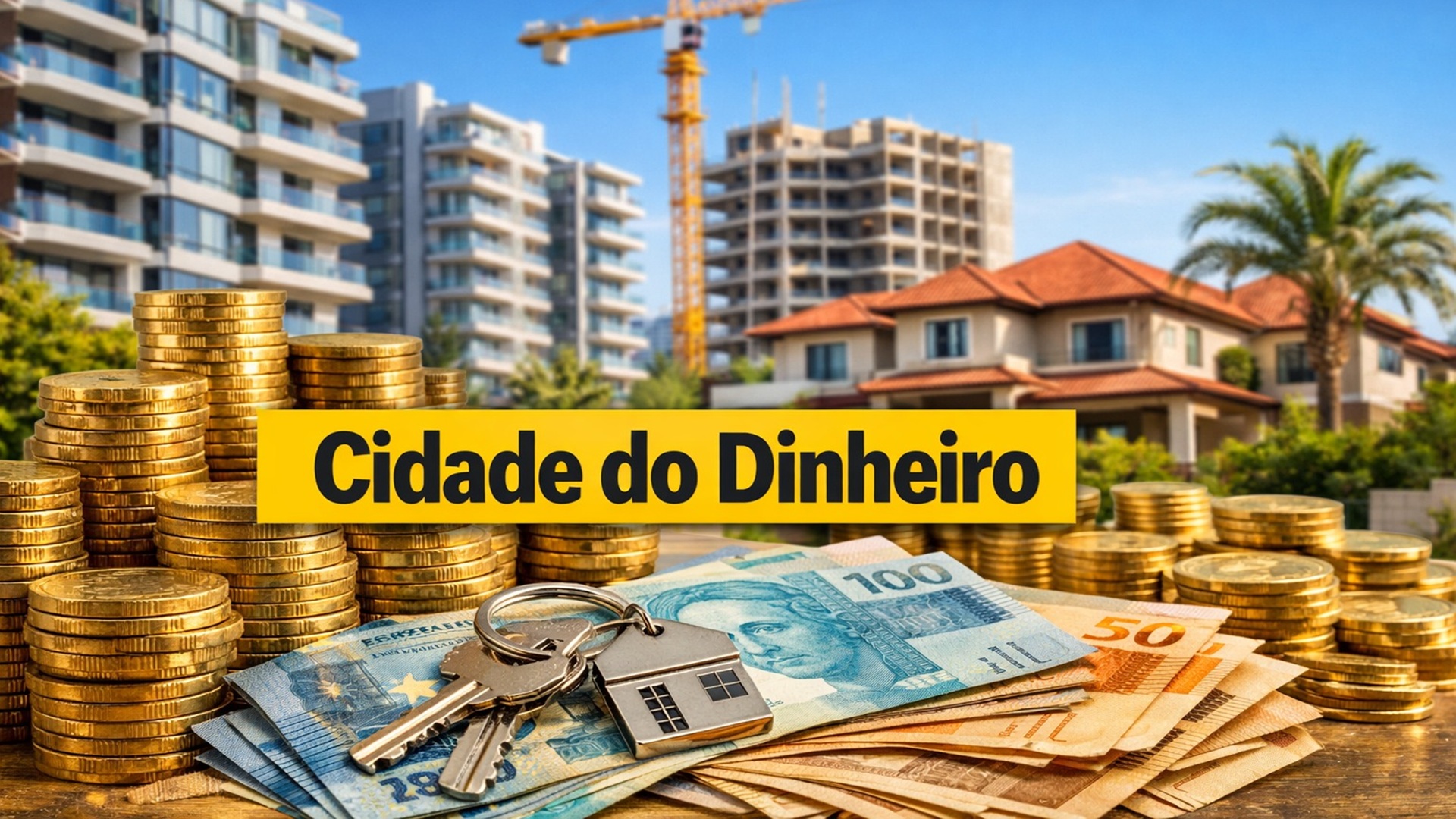


Population Growth And Housing Scarcity Transformed An Unknown City Into A Hotspot For Investors, With Price Increases And Growing Profitability
Itajaí solidifies itself as a destination for income investors due to economic dynamism and low housing supply. With 264,054 inhabitants and appreciation above inflation, the municipality attracts capital focused on recurring returns and asset gain.
Demographic Pressure And Appreciation
The 2022 Census from IBGE indicates 264,054 inhabitants, representing a 44% increase in the last decade. This intense demographic growth, one of the largest in the South, pressures rents and transforms the city’s status.
Recent data from FipeZap shows a 9.78% increase in residential selling prices over 12 months. The average value reached R$ 12,712/m², surpassing the national index of 6.83% and the inflation during the period.
-
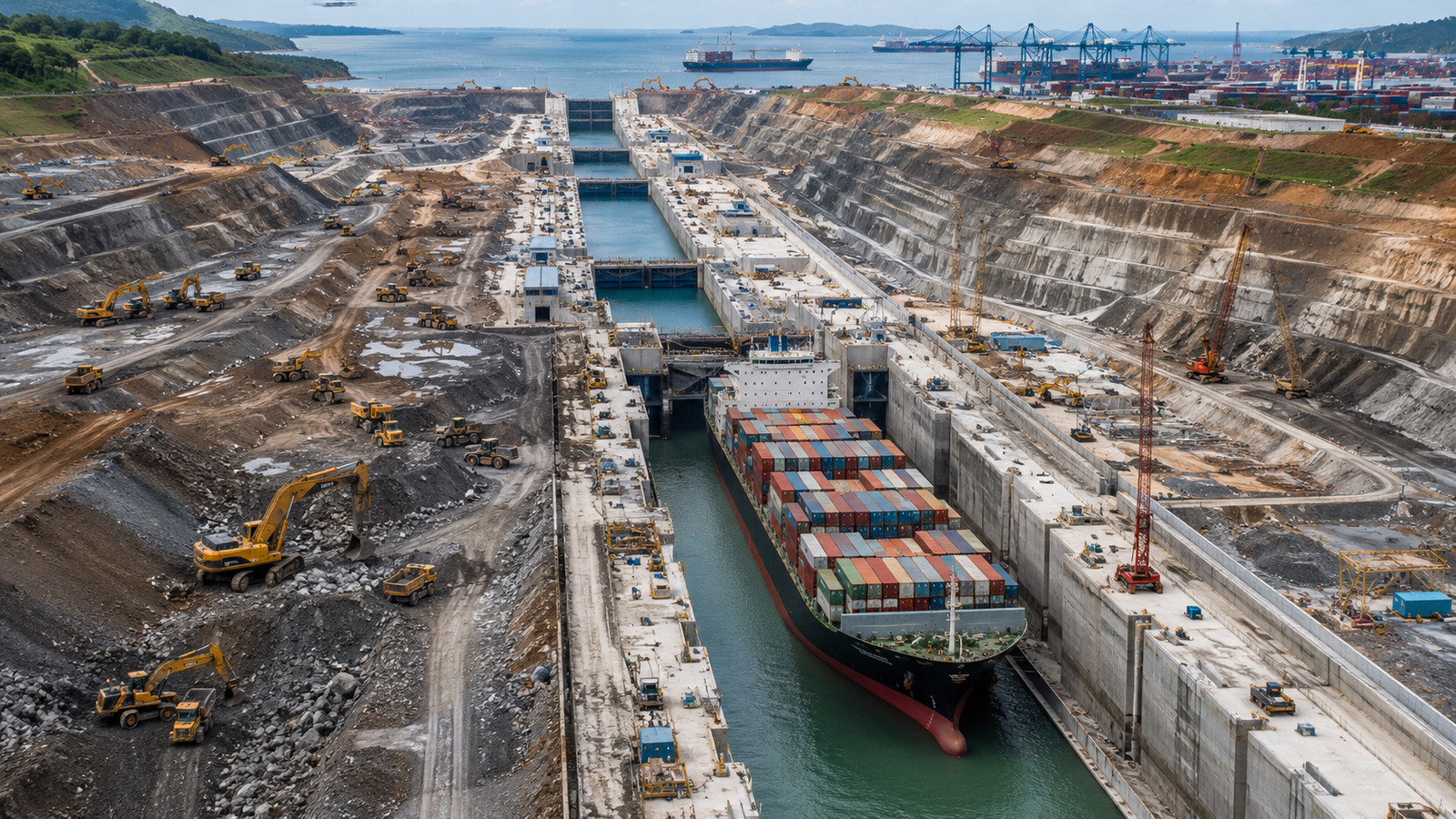
China wants to impress the world once again with a mega canal featuring giant locks, deep waters, and space for the largest ships, in a project aimed at shortening journeys, reducing queues, and rivaling the Panama Canal in global trade.

-
Brazil saved US$ 32.4 billion in 2025 by switching from fossil to renewable energy and only ranked behind China and the United States on the IRENA global podium.

-
A company from SC that moves R$ 125 billion in agribusiness is integrated into an international group, maintains its headquarters and jobs in Chapecó, and is preparing to expand software for cooperatives, grain companies, and industries while targeting new markets without leaving the western region of Santa Catarina.
-
Portugal “hides” gold reserves of 382 tons valued at 47 billion euros in an armored building, and the story involves gold from colonial Brazil, Nazi Germany, and a fortune that once amounted to 866 tons.




The municipality accumulates an appreciation of 7.65% in 2025. This scenario results from the mismatch between high demand and limited housing availability, creating a favorable environment for high returns for investors.
Economic Factors And Investment Profile
The city boasts an active port, industry, services, and nautical tourism, diversifying revenue and diluting risks. Partnerships between the public sector and private initiative also accelerate local infrastructure, boosting the attraction of new residents.
Erivelto Saes, CEO of Saes Empreendimentos, assesses that this combination multiplies jobs and reinforces the search for housing. With the migratory flow, rentals compete for well-located units, significantly reducing vacancy rates.
In Brazil, the average annual profitability of residential rent approaches 6%. Fipe calculated the rental yield at 5.94% per year in September, serving as a reference for those seeking recurring income.
Agents report lines for ready or nearly delivered units in central neighborhoods. The so-called “yield hunters” seek three main vectors: asset appreciation, guaranteed constant income, and low vacancy rates.
The limited supply in these regions keeps pressure on prices. According to Saes, compared to other regions in Santa Catarina, selling prices still show a competitive potential for high in the medium term.
The pragmatic reasoning considers the heated demographics since 2010 and the short rental stock. The math works in favor of investment today, preserving the prospect of future capital gains.