






 Portuguese
  Spanish


Olacyr de Moraes’ Trajectory Reveals How an Agricultural and Industrial Empire That Helped Transform the Brazilian Midwest Ended in Collapse After Risky Decisions and Dependence on External Factors Beyond the Control of the Entrepreneur.
The entrepreneur Olacyr de Moraes, known as the “Soy King,” built over decades a private conglomerate that integrated large-scale agricultural production, mills, logistics, and infrastructure projects.
The expansion cycle, however, could not withstand delays in strategic projects, leverage, and decisions that left him exposed to factors outside his control.
At the end of his life, on June 16, 2015, he died at 84 years old in São Paulo, a victim of pancreatic cancer, leaving a disputed estate and a case that is now studied by managers and investors.
-
Small Farm in Brazil’s Minas Gerais Produces 403 Liters of Milk Daily, Sets Benchmark for Rural Producers

-
Man Revives 1930s Abandoned Trout Farm, Learns from Scratch, and Earns $1.1 Million Annually Selling Fish to Michelin-Starred Restaurants

-
Bangladeshi Farmers Use Bamboo Levers to Pump Thousands of Liters of Water Daily Without Engines or Electricity
-
Brazilian Forests Could Expand by an Area Twice the Size of Switzerland by 2035, but Agricultural Sector Holds the Key, Study Finds




An Empire That Shaped the Midwest
Olacyr’s trajectory is intertwined with the consolidation of the Cerrado as the agricultural frontier of the country.
Leading businesses that included crops of soybeans and cotton, he implemented industrial processes and technology in the field, shortening the time between harvesting and processing.
The Itamarati Farm, the group’s showcase, became a benchmark for scale and productivity, contributing to project the region as a center for agribusiness.
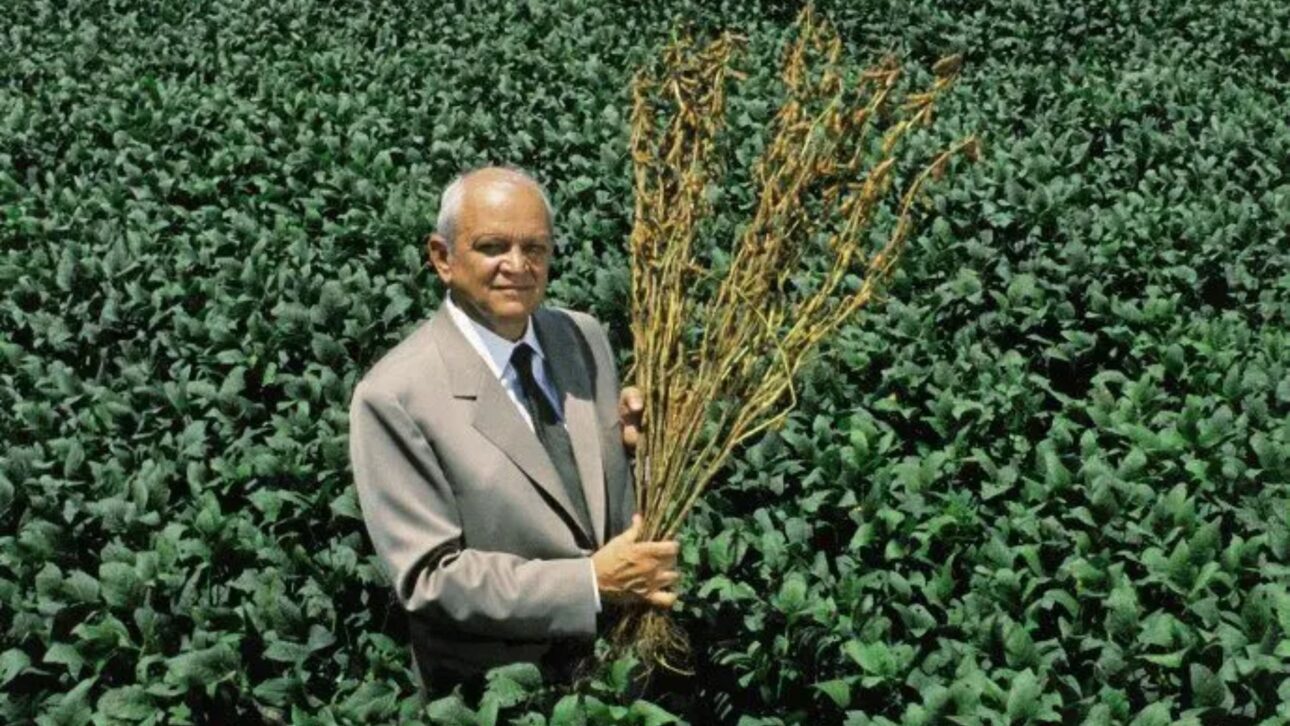
During the peak of prosperity, the group brought together several companies and an operational structure that extended beyond the field, with industrial assets and its own logistics network to channel production.
The ambition to resolve transportation bottlenecks led the entrepreneur to a decisive step.
The Turnaround with Ferronorte
The turning point occurred with the Ferronorte, a railway conceived to integrate the Midwest with the national rail network and ports.
The project received a 90-year concession in 1989, with the challenge of building the necessary stretches and interconnections to enable large-scale grain flow.
Regular operations only gained traction at the end of the 1990s, when the connection with the São Paulo network became effective, after the completion of the road-rail bridge over the Paraná River in 1998.
Until then, the works consumed resources and required maintenance of structures without the counterpart of recurring revenue.
The mismatch between construction schedules and cash generation pressured the group and increased its dependence on credit.
Prolonged Concession, Late Revenue
The financial engineering of the venture had as its premise the rapid capture of freight to dilute fixed costs. With the delayed operation, the numbers did not add up.
The entrepreneur tried to renegotiate deadlines and sought partners to dilute risks, but the combination of high interest rates, exchange rate volatility, and client defaults in specific contexts eroded margins and affected the ability to meet commitments.
Sale of Assets and Dismantling of the Group
As financial pressure grew, Olacyr sold shares, equipment, and agricultural areas.
The Itamarati Farm, in Mato Grosso do Sul, which was a symbol of agronomic innovation, came under the control of Incra in the early 2000s for land reform purposes.
At the same time, other relevant assets changed hands, and the corporate structure that supported the conglomerate shrank.
The process of asset alienation continued for years, including after the entrepreneur’s death, with creditors seeking reimbursement and heirs disputing the values of transactions involving large properties.
The corporate map that once supported dozens of businesses did not withstand the chain of decisions and contingencies.
The Destiny of the Two Itamarati
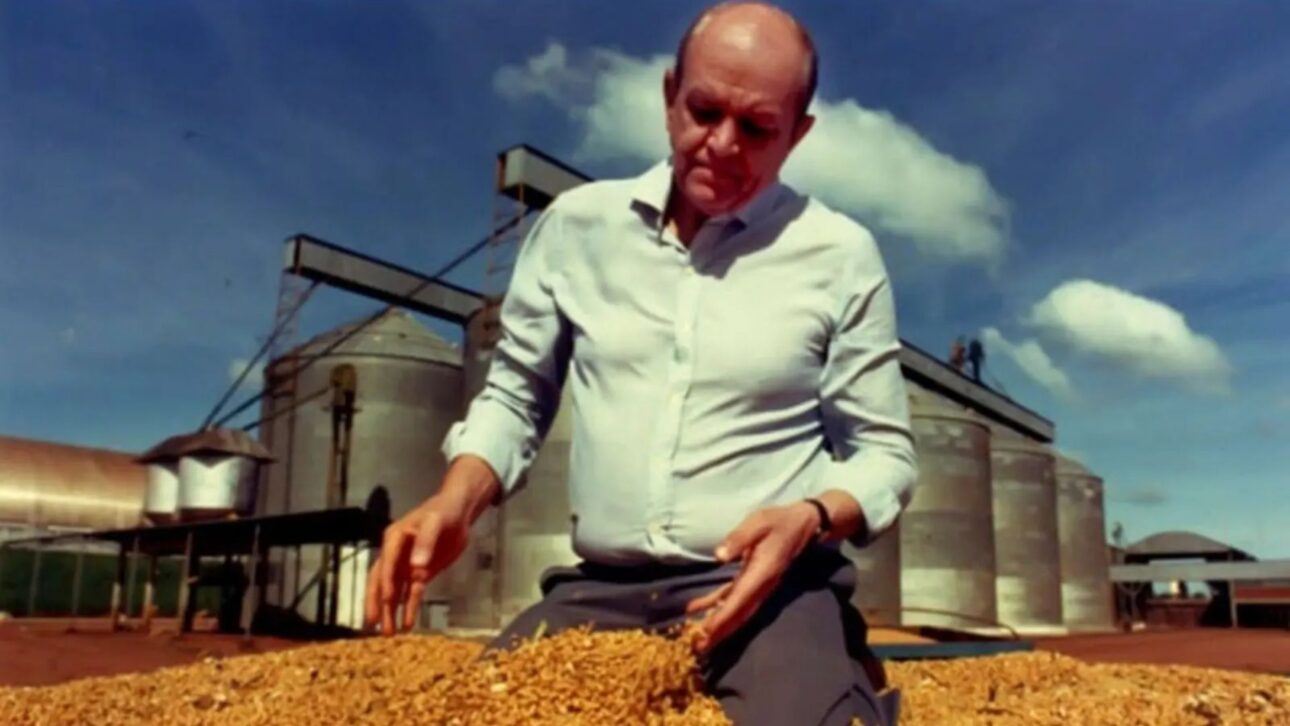
Over time, there were two Itamarati large-scale properties associated with the group.
The property in southern Mato Grosso, the focus of agricultural projects that earned awards and records, was acquired by the government for settlement purposes.
The Itamarati Norte, in Mato Grosso, remained a relevant private asset and, years later, was negotiated by its controllers with another agribusiness group.
The separation of trajectories helps explain why references to the Itamarati brand appear in different moments and states.
What Really Brought Down the “Soy King”
Analyses of the case converge to a central point: the risk of relying on exogenous variables.
Olacyr’s bet on owned logistics had a clear economic rationale but required synchronization between public works, licenses, interconnections, and long-term financing.
When public and regulatory deadlines extended beyond expectations, leverage left the group vulnerable.
This is not about attributing the outcome to poor management in the strict sense.
The entrepreneur was recognized for adopting modern techniques in the field and for his ability to execute complex projects.
The determining factor was the underevaluation of political and operational risk in an infrastructure asset, combined with the difficulty of repricing the business when the assumptions ceased to hold.
With delayed revenue and debt service underway, liquidity evaporated.
Final Years and Parallel Episodes
The last years of Olacyr were marked by attempts to revive businesses in new fronts and by episodes that kept him in the news.
In 2014, a former Bolivian senator linked to investment proposals was murdered by the driver’s of the entrepreneur himself, a case that highlighted the pressures and promises surrounding his name.
The episode, however, has no relation to Olacyr’s death, which occurred from natural causes the following year. Even diminished, the business legacy retained sector relevance.
Industrial units created during the expansion cycle continued operating under other controllers, preserving jobs and production capacity.
In agro-industry, the dissemination of technical practices developed during the golden period of Itamarati continued to influence the efficiency culture of the Cerrado.
Operational Lessons for Rapid Growth
The story shows that size does not shield against risks. Capital-intensive projects require robust contractual safeguards, financial buffers, and alternative routes when reliance on third parties is high.
Risk governance must anticipate delays, rule changes, and adverse macro scenarios.
Without this, the business ceases to be predictable and begins to operate as a bet subject to shocks that it cannot control.
For those managing scalability in agribusiness, the message is pragmatic: diversify revenue sources, tie obligations to delivery milestones, calibrate leverage to the cycle, and separate operating cash from infrastructure initiatives.
In other words, growing requires both strategic vision and the design of protection mechanisms that can support long maturation periods.
If you were leading a critical project that relied on third parties—how would you tie financing and contracts to avoid repeating the mistakes that cost the “Soy King” his empire?







