Portuguese
  Spanish


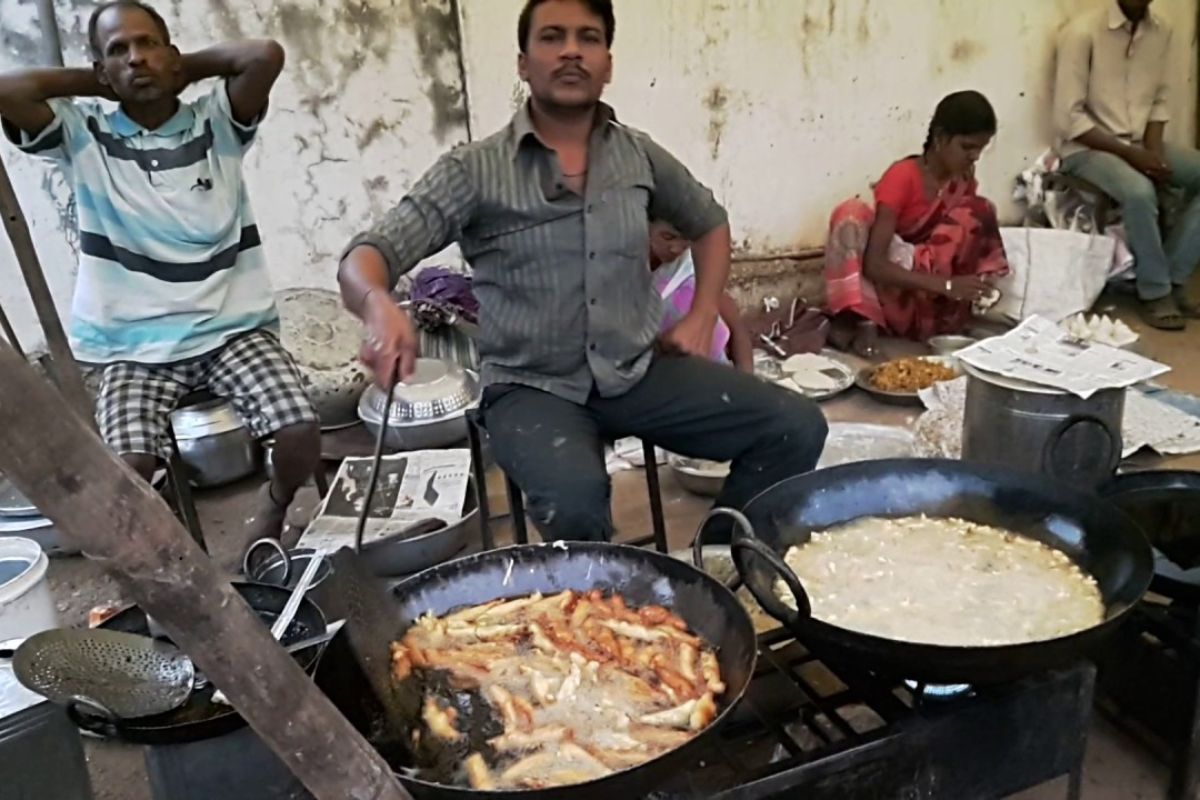


In a Turn of Events That Became a Meme and Exposed a National Wound, India Surpassed Brazil in Basic Sanitation Coverage. Understand How the Asian Country Managed It and Why Brazil Fell Behind.
A surprising piece of news spread through Brazilian social networks and became synonymous with national frustration: India, a country historically associated with serious sanitary problems, has surpassed Brazil in basic sanitation coverage. The data, confirmed by reports from the World Health Organization (WHO) and the World Bank, generated a wave of debates and memes questioning the management of infrastructure in the country.
The comparison is a warning. While India implemented a massive and focused program that lifted hundreds of millions of people out of unhealthy conditions, Brazil, despite having advanced laws and greater wealth, struggles with a chronic problem that directly affects health and the economy. The story of this surpassing reveals much about political priorities and the urgency of treating basic sanitation as the fundamental issue that it is.
The Numbers of the Turnaround: A Decade of Difference
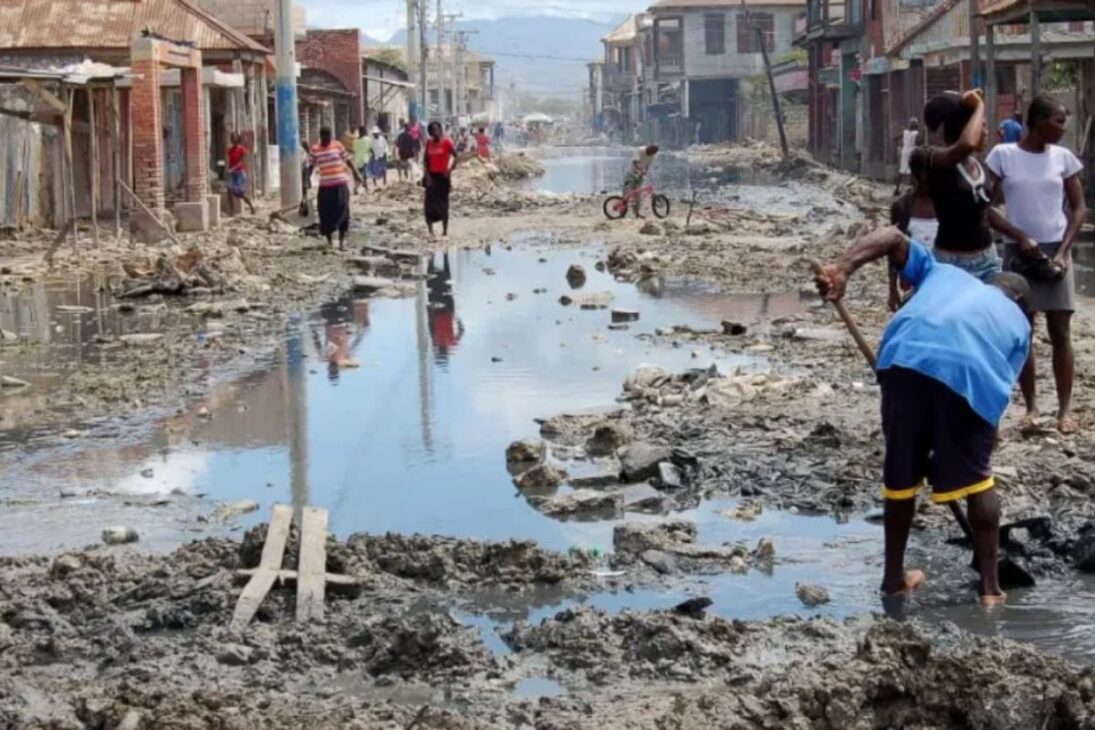
The comparative data from the WHO is clear and shows an impressive role reversal. The metric used is access to “safely managed sanitation,” which considers not only the existence of a toilet but also the proper treatment of sewage.
-
Brazil’s Lula Government Allocates $463 Million Quota for Electric Car Parts, Waives Import Tax Until December, Sparking Competition Among BYD, Automakers, and Unions as Consumers Question Impact on Prices and Local Industry

-
Clarification and Right of Reply Notice

-
Elon Musk Becomes World’s First Trillionaire with $1.1 Trillion Fortune; Could This End Global Hunger?
-
Brazilian Executive Takes Helm of Heineken Amid Decline in Sales: 51-Year-Old Has Led Operations Across Four Continents and Managed a $7 Billion Empire




- In 2010: Brazil was ahead, with 40% coverage compared to 26% in India.
- In 2022: The reversal happened. India reached 52% of its population, while Brazil remained stagnant at 50%.
Data from the 2022 Census, released by IBGE, deepens the Brazilian problem: although 62.5% of homes are connected to the sewage network, only 55.2% of the sewage collected in the country is effectively treated. This places us behind countries like Mexico and Peru.
The Secret of India: The “Clean India” Mission
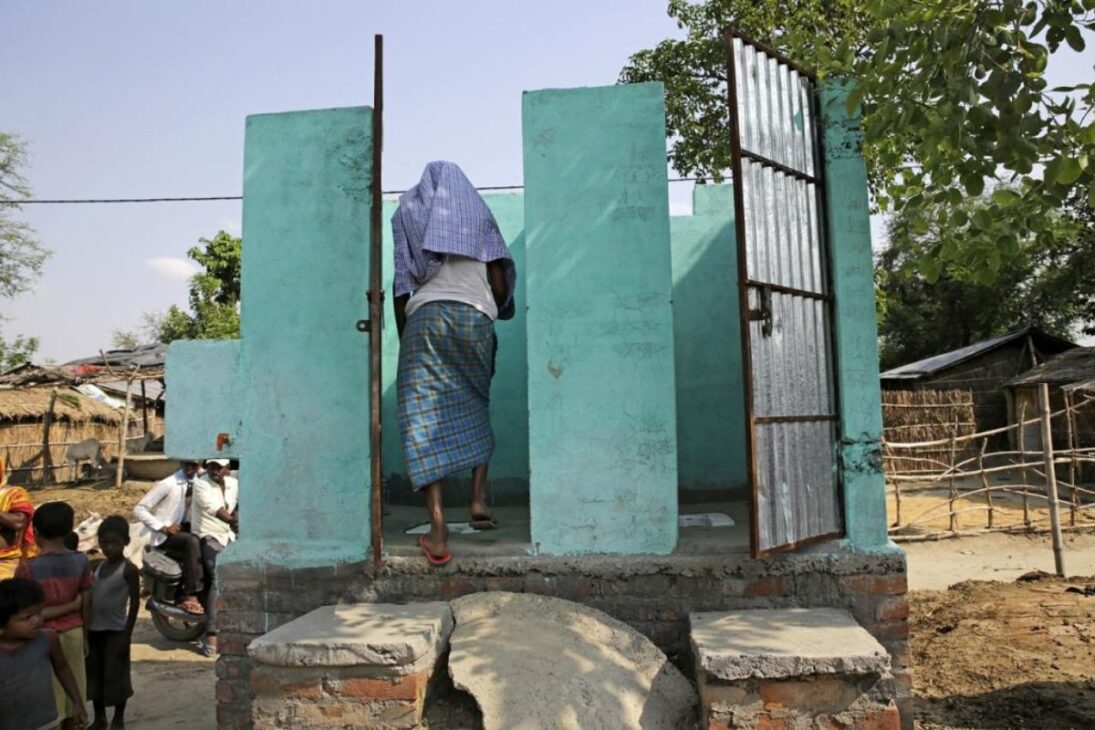
The Indian leap was not a coincidence. It is a direct result of the Swachh Bharat Mission (Clean India Mission), a national program launched in 2014 by Prime Minister Narendra Modi. With an obsessive focus on ending “open defecation,” the initiative became one of the largest sanitation campaigns in history.
- Results: In just a few years, the program facilitated the construction of more than 110 million toilets, benefiting around 600 million people.
- Health Impact: The results went beyond infrastructure. A study published in the journal Nature in 2024 associated the program with a 30% reduction in child mortality in the country.
The Brazilian Deadlock: Advanced Laws, Slow Investments
Brazil has one of the most modern legislations in the world for the sector, the Legal Framework for Sanitation, approved in 2020. The law established clear goals for universalization (99% access to water and 90% sewage collection and treatment by 2033) and opened the market for private initiative, with companies like Aegea and BRK Ambiental taking on large concessions.
The problem, however, lies in the pace of investments. According to the Trata Brasil Institute, to achieve the goals, the country would need to invest R$ 45.1 billion per year. In 2023, total investment was only R$ 25.6 billion, a shortfall that delays progress and perpetuates a serious public health problem.
The Cost of Delay and National Frustration
The lack of basic sanitation has an extremely high human and economic cost. The Trata Brasil Institute estimates that the problem causes 11,500 deaths and over 340,000 hospitalizations per year in the country, mainly due to waterborne diseases. Universalization, on the other hand, could generate economic benefits of R$ 1.4 trillion.
Frustration with this scenario is reflected on social media, where the comparison with India has become a symbol of inefficiency and lack of political priority. The viral memes and criticisms are a clear message from the population: Brazil can no longer accept being surpassed in such a fundamental area for dignity and development.
And you, what do you think? What is the main obstacle to the universalization of basic sanitation in Brazil: lack of money, management, or political will? Leave your opinion in the comments.