Portuguese
  Spanish


The world’s first factory dedicated to lithium-sulfur batteries, a different chemistry from what dominates electric cars today, is coming off the drawing board. It promises half the weight, double the range, and perhaps most importantly, a production chain that doesn’t rely on cobalt, nickel, or Chinese dominance over current batteries.
The battery that powers almost every electric car today is the lithium-ion battery, and it has two problems that no one easily solves: it’s heavy and relies on metals like cobalt and nickel, which are expensive and concentrated in the hands of a few countries, with China controlling much of the refining. Those who want to electrify transportation without being hostage to this chain need a new chemistry. And that’s exactly what’s starting to gain a real factory.
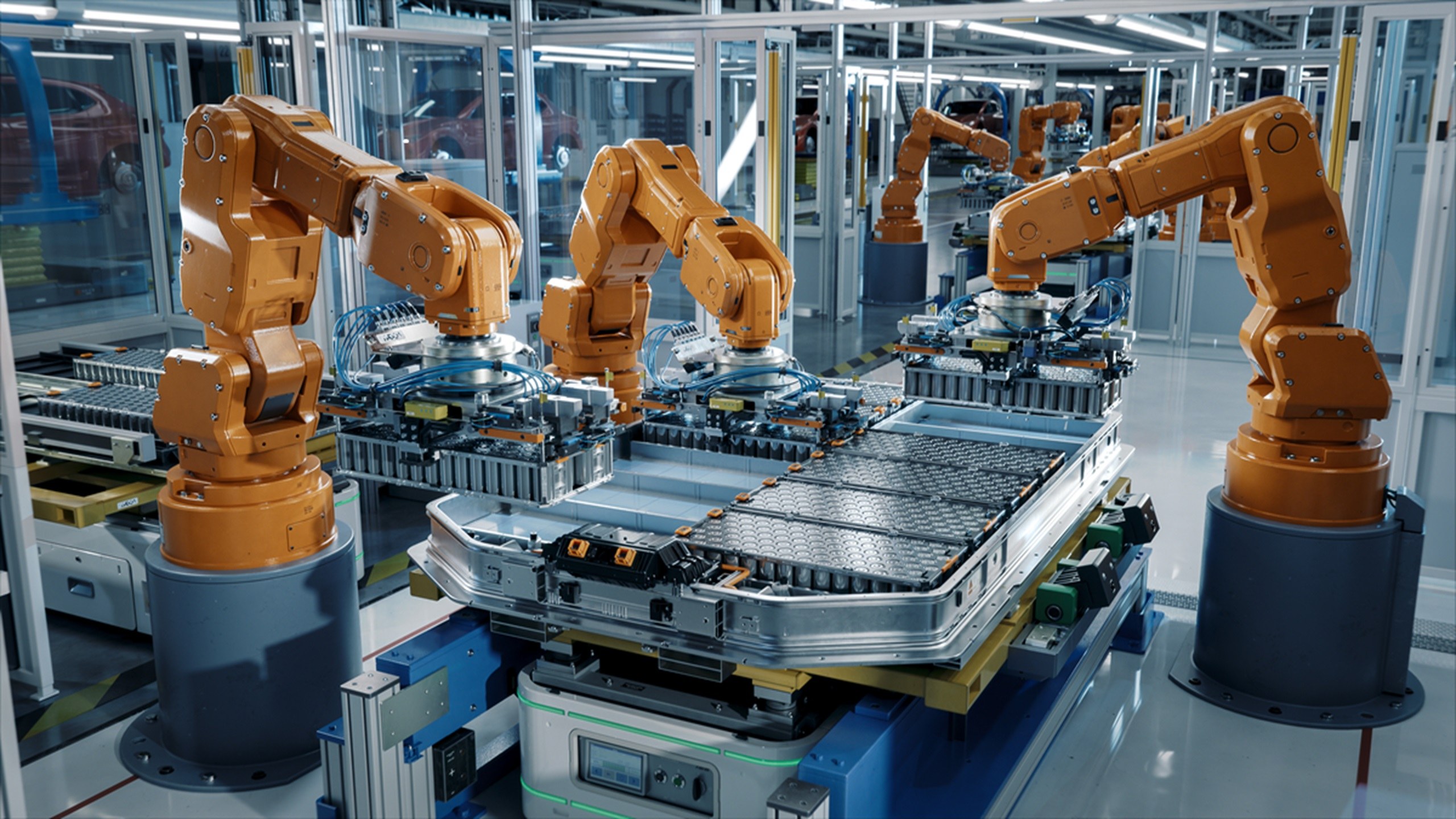
The bet is called lithium-sulfur. Instead of expensive metals, it uses sulfur, one of the cheapest and most abundant elements on the planet, even a byproduct of oil refining. The promise that makes eyes shine is twofold: since sulfur is light, the battery can weigh much less and store much more energy per kilo, which in practice means doubling the range of a car or electric plane without increasing the weight.
Why sulfur changes everything
The advantage of sulfur is not just price, it’s geopolitics. Today, those who manufacture batteries need to secure cobalt, often extracted under problematic conditions in Africa, and nickel, besides relying on China to transform these minerals into battery material. Replacing all this with sulfur, which is abundant almost everywhere, reshuffles the board: suddenly, a country can produce batteries without competing for the same scarce mines that everyone covets.
-
AI Data Centers Now Feature Built-In Nuclear Power Plants and Have Ordered Non-Existent Reactors

-
In India, thousands earn about $2.50 an hour cooking and cleaning with a phone strapped to their heads, as every move is recorded to train humanoid robots for jobs they might one day replace.

-
Nuclear Fusion Study Proposes Transforming Mercury into Gold Using Tokamak Neutrons, but Real-World Application Remains Uncertain
-
Brazilian Researchers Develop Floor Tiles That Convert Student Footsteps into Electricity to Reduce University Energy Costs





Lightness is the second trump card. In applications where every kilo counts, such as in electric aviation and drones, a battery that delivers double the energy for the same weight can be the difference between flying and not flying. That’s why the technology is of interest not only to the automotive industry but also to the aerospace and defense sectors, which need a lot of energy in a small space.
The Achilles’ heel
It would be too good if there wasn’t a catch, and there is. The lithium-sulfur battery has always stumbled on a stubborn flaw: it degrades quickly. Over charge and discharge cycles, the sulfur dissolves, and the battery loses capacity much sooner than a lithium-ion battery would. For decades, it was precisely this durability problem that kept the technology stuck in the lab, promising on paper and frustrating on the bench.
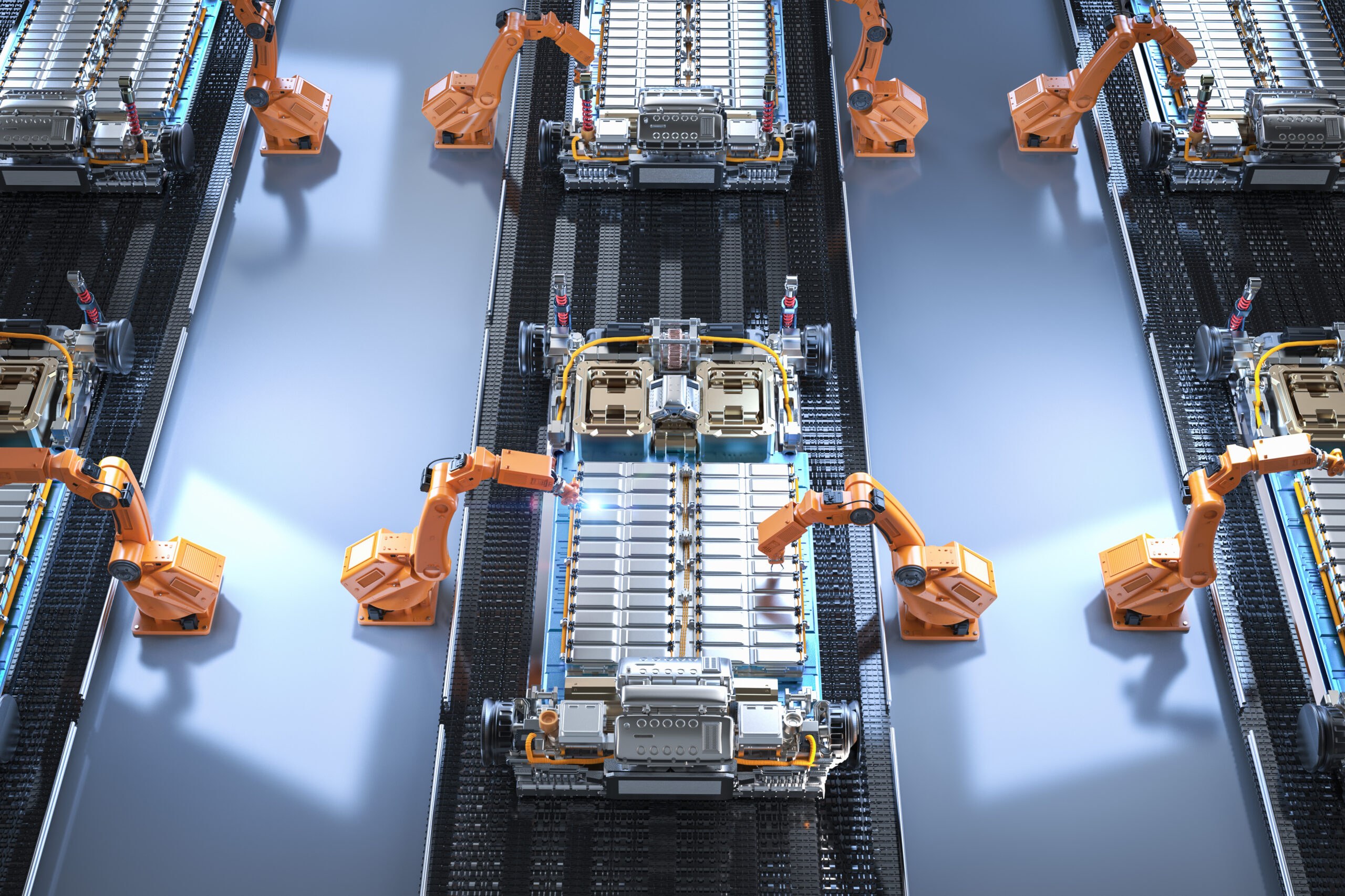
What changed was materials engineering. Recent advances in the internal structures of the battery, using graphene and other tricks to hold the sulfur in place, have extended the lifespan to a point that finally justifies building a factory. That’s why the news is so relevant: moving from lab scale to a gigafactory is the acid test that separates the good idea from the real product, and someone decided to back this leap.
Where this battery goes first
Despite the dream of the electric car, the lithium-sulfur battery is likely to debut elsewhere before reaching your car. Where weight is critical and the life cycle matters less, it already makes sense today: long-duration drones, satellites, military equipment, and the first small electric planes are the natural candidates. In these uses, doubling the energy per kilo is worth gold, and replacing the battery more frequently is an acceptable price.
From passenger cars onwards, adoption will be more cautious, depending on how much durability evolves in the hands of the consumer. But there is a step-by-step logic here: start with niches that tolerate the weak point, profit from them, finance continuous improvement, and only then target the mass market. This is roughly how the lithium-ion battery itself matured, moving from portable electronics to cars over two decades.
A factory as a statement
Building the first gigafactory of a new chemistry is more than an industrial decision; it’s a statement of confidence. It means investors have bet that the durability issues are sufficiently resolved to produce and sell on a large scale. Locating this factory in the United States also carries a clear message: the West wants to establish its own battery chain, away from the Chinese dependency that currently dominates the sector.
If successful, the domino effect is significant. A lighter and cheaper battery changes the equation for electric cars, enables small electric planes, and lowers the cost of storing renewable energy. We’ve been following the promise of revolutionary batteries that never arrive for years, and I confess I’ve learned to be skeptical of the hype, but a real factory coming off the ground is a more concrete sign than just another enthusiastic announcement.
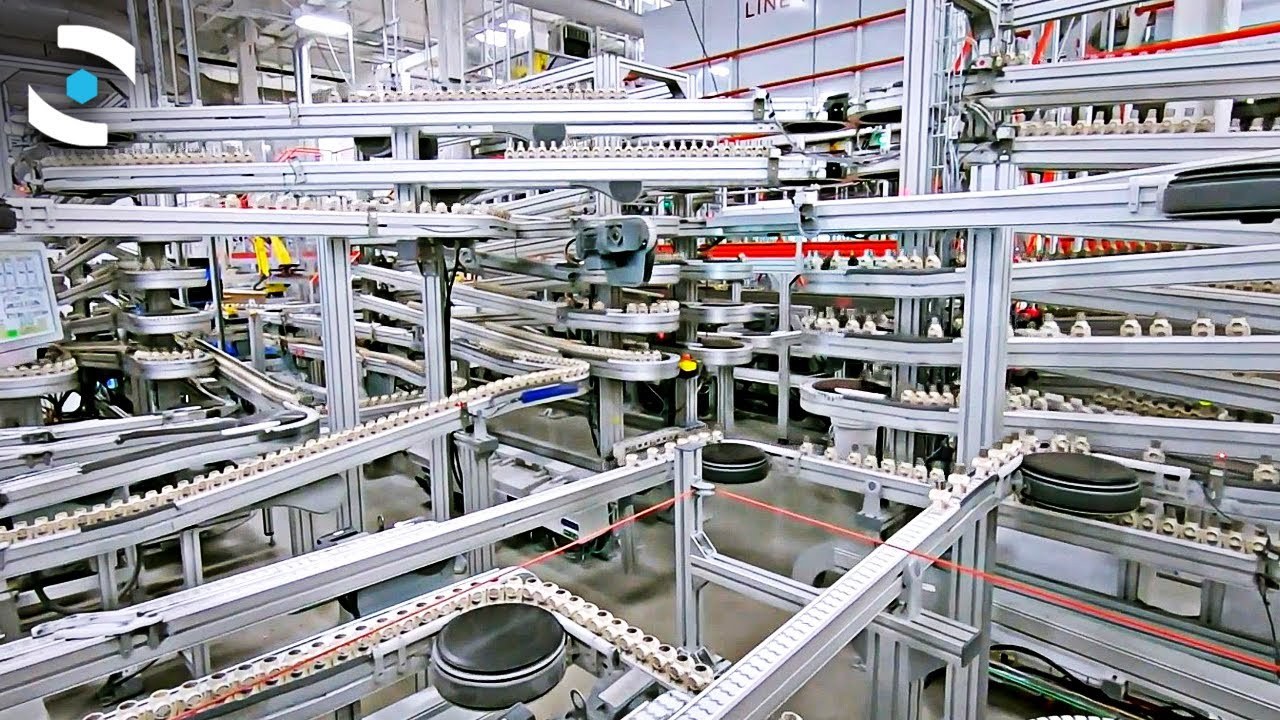
It’s worth keeping your feet on the ground. Durability in real use, outside controlled tests, still needs to prove itself in the hands of the consumer, and the history of batteries is full of promises that didn’t withstand the real world. But the direction is encouraging: for the first time, the lithium-sulfur battery will be manufactured for real, and not just described in a scientific paper.
In the game of future batteries, whoever masters a light, cheap, and China-independent chemistry gains a huge advantage. This factory is the first chip of an entire country in this bet.
Will the lithium-sulfur battery finally fulfill the promise of doubling the range of electric vehicles?