Portuguese
  Spanish


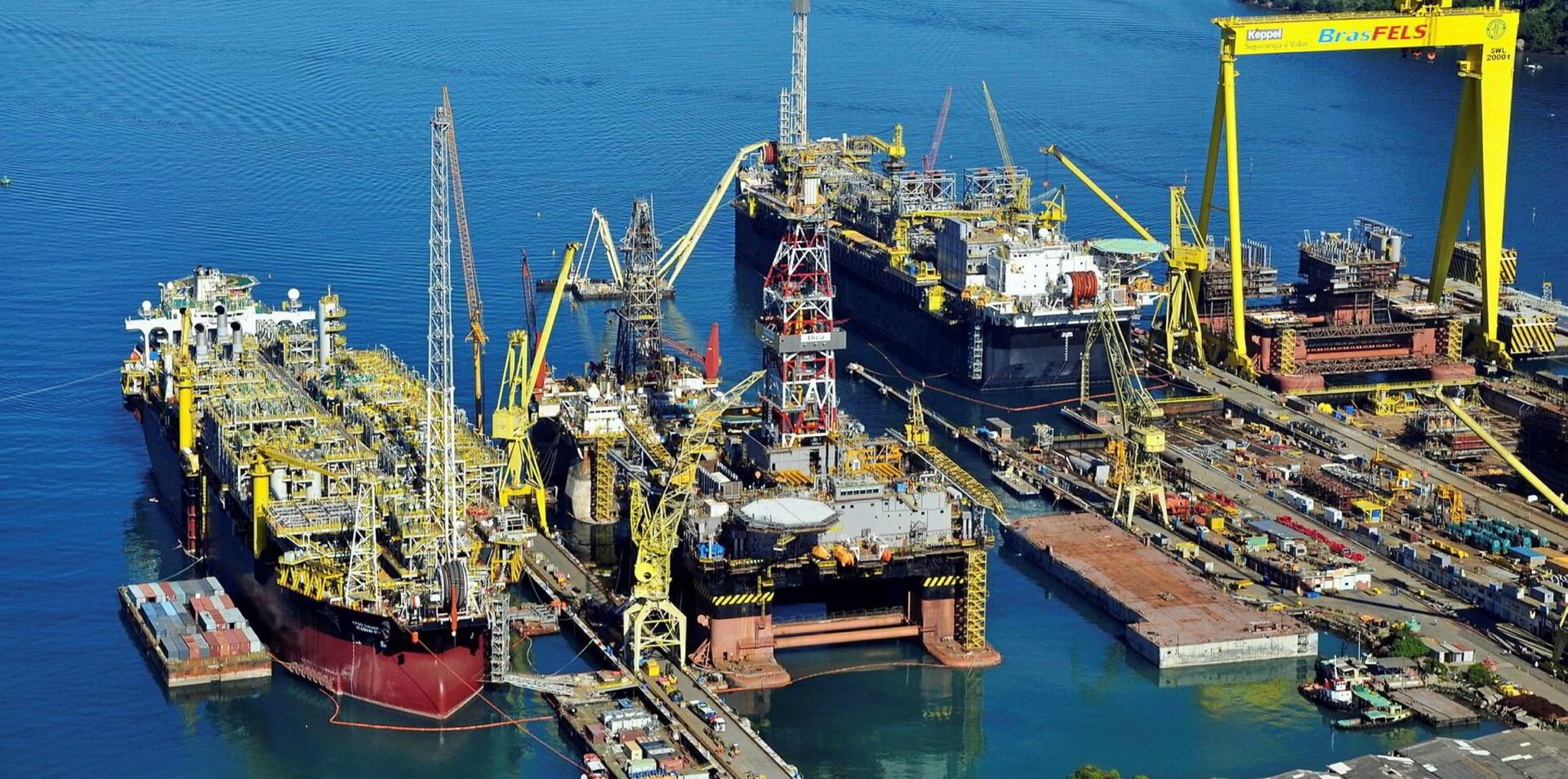

Prates Promised To Resume The Construction Of Support Vessels In Brazil During His Term At Petrobras. To Do This, He Emphasizes The Need For Public Policies Focused On Incentivizing The Naval Industry By The Lula Government.
In a press conference held last Thursday (03/02), the new president of Petrobras, Jean Paul Prates, reinforced his intentions in the Brazilian naval sector for the coming years. He promised to invest in the resumption of the naval industry for the construction of support vessels in the Brazilian market. According to him, however, this will only be possible through a collective effort with public policies that encourage the segment.
See: Lula Claims He Will Promote The Resumption Of The Naval Sector


Petrobras Will Resume Investing In The Construction Of New Support Vessels In The Brazilian Market During Prates’ Management
Since taking over the presidency of the state-owned company, Jean Paul Prates has highlighted strong intentions for the future of Petrobras in Brazil. So far, investments in state policies and projects have been the main focus of the company.
In a recent press conference, the president again commented on plans with the oil company for the coming years. Now, he emphasized the interest in resuming the Brazilian naval industry.
-
They exchanged the idea of a large house for a 35 m² warehouse, spent US$ 12,000 on the structure, and created a tiny house in Colorado with space to live and work.

-
While modern cities rely on pumps and electricity, in Iran, ancient tunnels carried water through the desert using only slope and gravity.
-
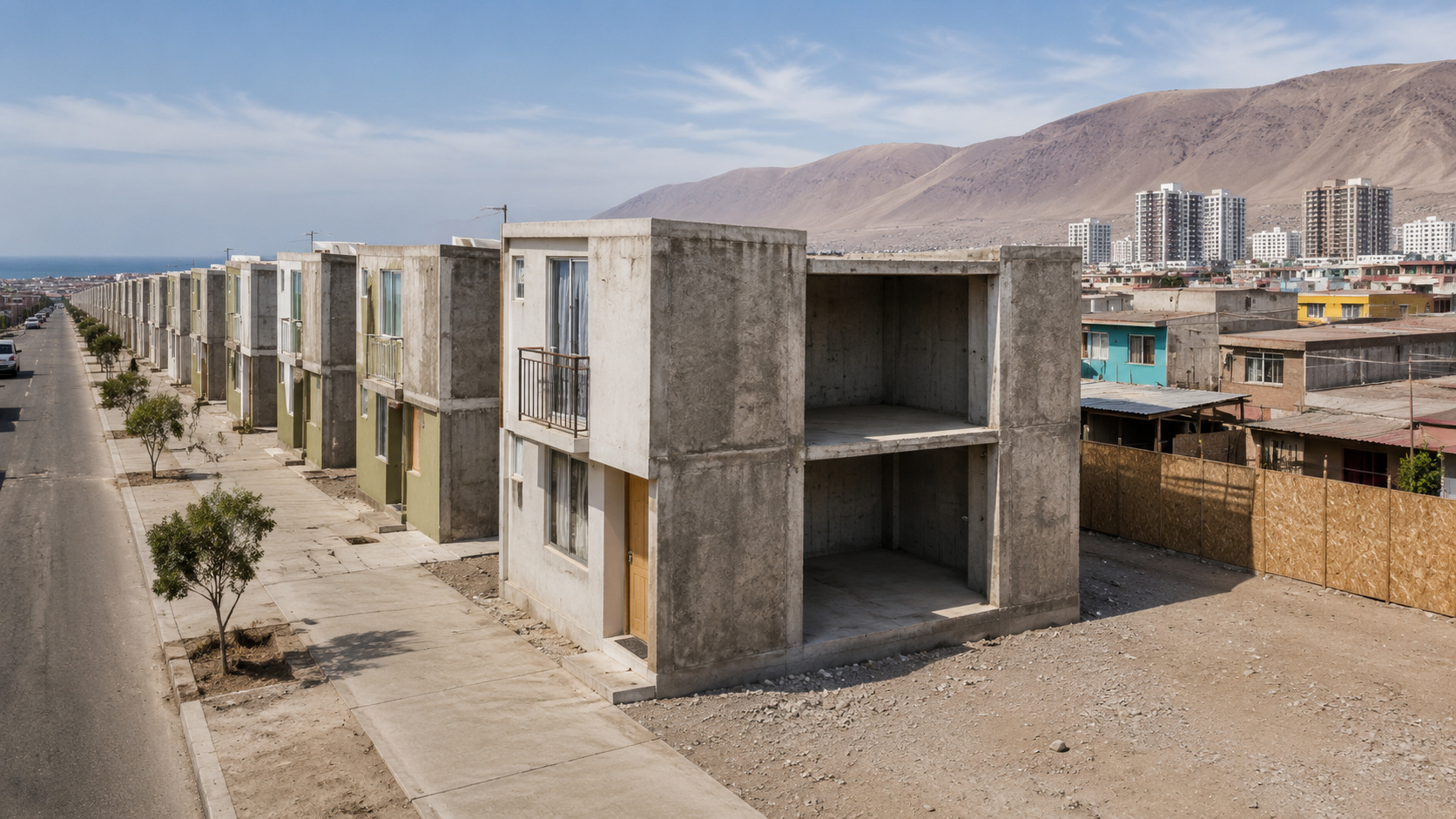
Instead of sending families far from the city, a project in Chile intentionally created incomplete houses on expensive urban land and left technical space for each to grow.
-
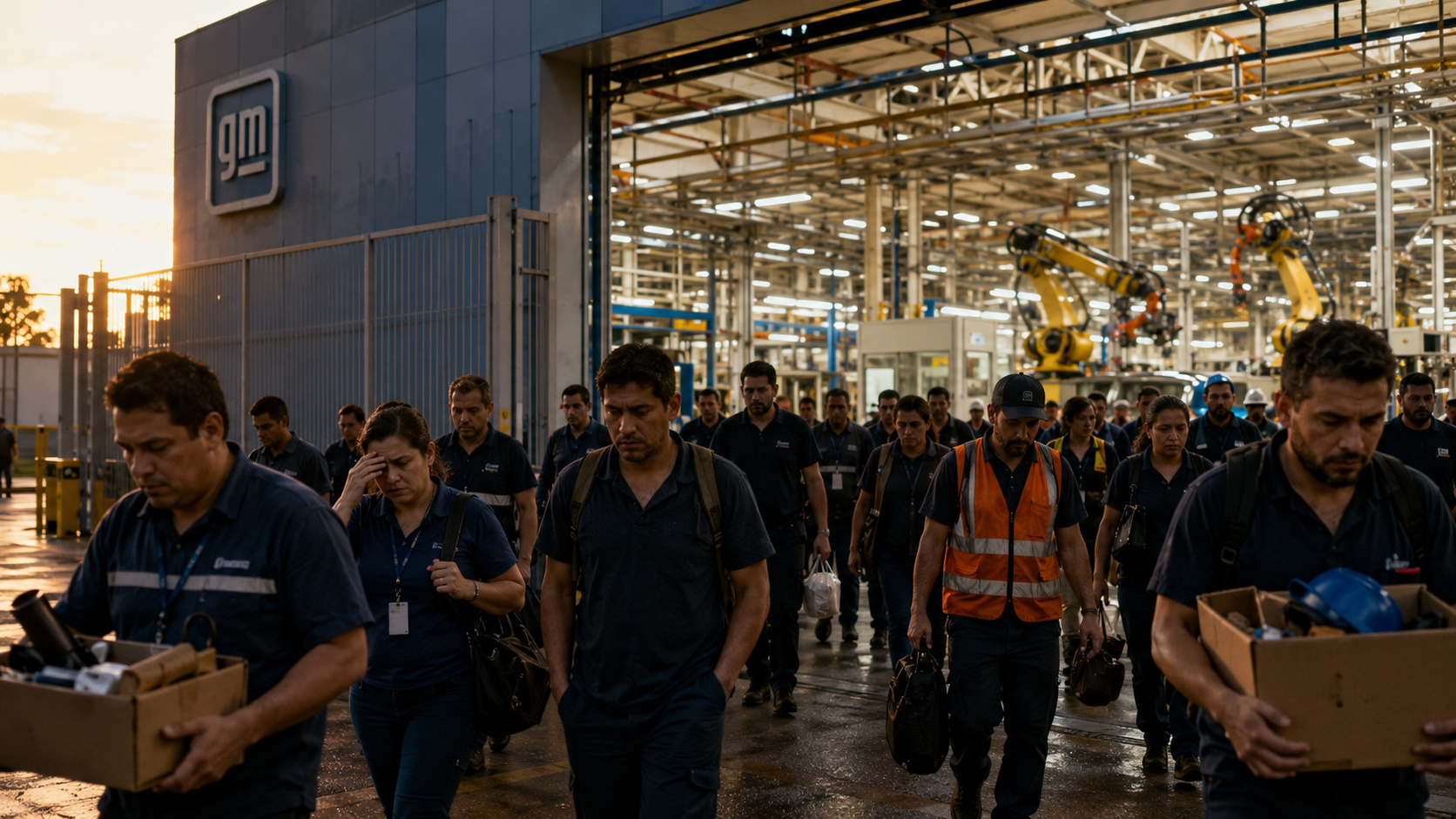
General Motors Replaces Over a Thousand Workers with 50 Cobots at Electric Vehicle Plant, UAW Union Criticizes Move Amid Industry’s Automation Push

Prates promised that during his term, the company will invest in the construction of support vessels in Brazil once again.
For this to happen, however, he emphasizes the need for state incentives from the Lula Government with public policies that encourage the sector.
“Yes. Now, it will be done within a collective construction. It’s not enough for Petrobras to want it; it needs to have the conditions to do so,” said the executive.
He highlighted that shipyards and the Brazilian naval industry are still not in a competitive scenario for strong investments.
However, with the necessary and correct public policies, the construction of support vessels and other platforms in Brazil could become one of the most profitable sectors in the coming years.
“If you take a survey today, perhaps a well-built complex equipment made entirely in Brazil costs three or four times more. So, when there is a discrepancy at that level, public policy and another type of approach to this problem are needed.”
He promised that Petrobras will participate in this new approach to the Brazilian naval industry during his term.
Jean Paul Prates Highlights New Horizons For The Brazilian Naval Industry With Petrobras, Beyond The Construction Of Support Vessels
Although the main focus of the new president of Petrobras is the construction of support vessels in Brazil, Prates commented on several other horizons for Petrobras in the Brazilian naval industry.
The offshore wind projects are currently the most attractive in Brazil. According to him, they are [offshore wind] equipment that is enormous, three or four times bigger than the equipment we see on land in the national market.
With this, he emphasized that the Brazilian naval industry can take advantage of the need to construct this equipment to expand new horizons in the country.
The National Union of the Shipbuilding and Repair Industry (Sinaval) commented on the gap that the Brazilian naval industry has suffered in recent years.
The contracted values for projects in the sector were drastically reduced from R$ 9.5 billion, ten years ago, to R$ 570 million in 2021.
Now, under Prates’ management, it is expected that Petrobras will turn not only to the construction of support vessels and platforms but to the entire Brazilian naval industry.