





 Portuguese
  English
  Spanish
  6 min of reading
  0 comments


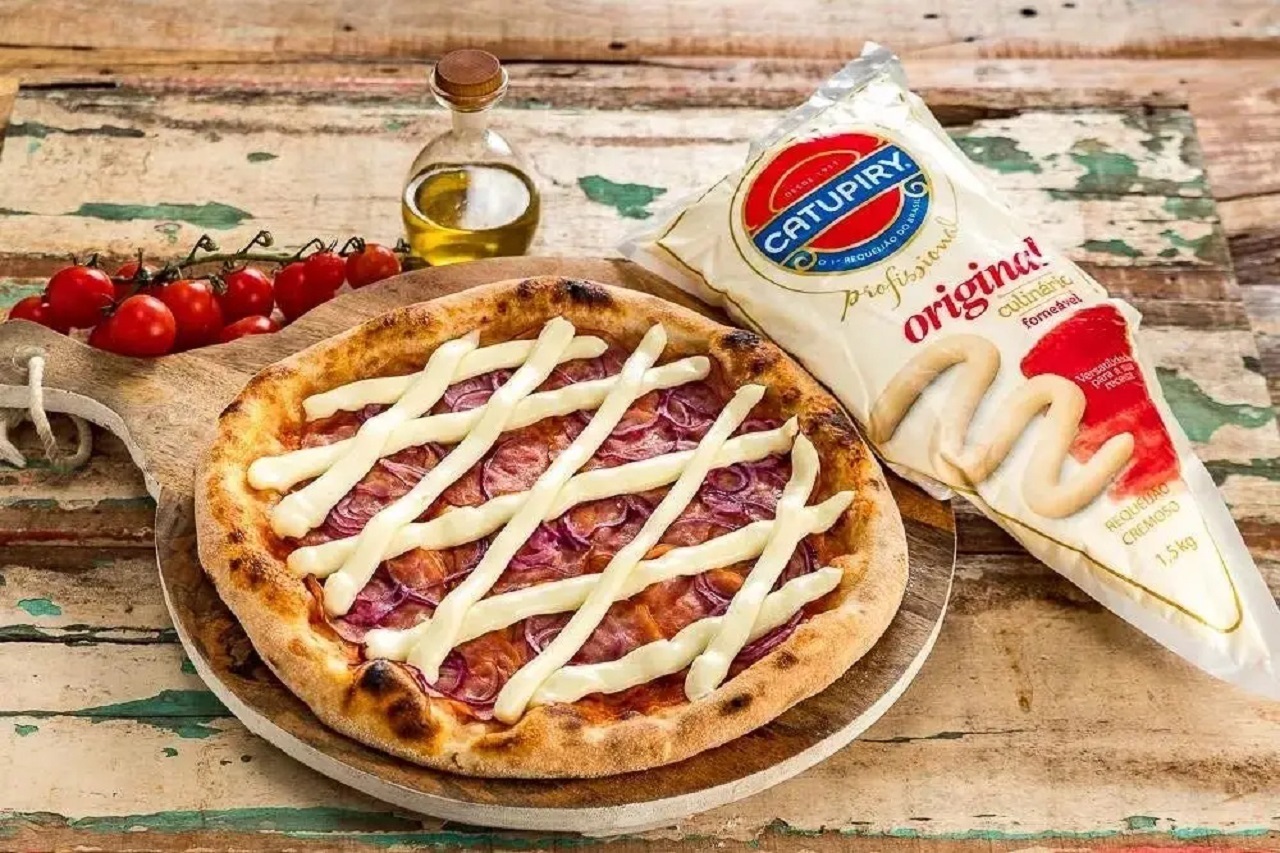
Discover the History of Catupiry, the Brand That Invented Cream Cheese and Transformed a Handcrafted Recipe into a National Symbol. From the Origin of Catupiry to Its International Expansion.
The history of Catupiry begins in the early 20th century, in a still-rural Brazil, with a strong presence of European immigrants seeking opportunities. Among these pioneers were Mário and Rosa Silvestrini, an Italian couple who settled in the city of Lambari, in Minas Gerais, in 1911. With knowledge in dairy production and an entrepreneurial spirit, the couple created what would become the first cream cheese in the country — a product that had not existed until then in the soft, creamy, and flavorful format. The recipe, developed artisanally from Italian techniques adapted to Brazilian reality, resulted in a cheese cream that quickly won over the local residents. The name chosen to baptize the invention — Catupiry — comes from Tupi-Guarani and means “excellent.” And indeed, this adjective would soon be incorporated into the product’s identity and, eventually, to that of the very brand that invented cream cheese as we know it today.
Catupiry Creation: From Wood Boxes to National Palate
In the early years, production was limited and artisanal, and Catupiry cream cheese was sold in small wooden boxes, which, in addition to preserving the product, became icons of an era and objects of affectionate memory. They were common in Brazilian pantries and marked generations, becoming a symbol of the brand’s reliability.


The strategic change came with the transfer of the factory to São Paulo, more precisely to the Bom Retiro neighborhood. The capital of São Paulo, in strong industrial and population expansion, provided new distribution channels and the expansion of Catupiry to other regions of Brazil. This marked the beginning of the transition from a family business to a national industry.
-
Shenzhen transforms an ecological bridge into a symbol of urban conservation, separating passages for pedestrians and wildlife, and creating dual trails to protect biodiversity in the heart of the city.

-
Mr. Eninho, at 67 years old, has lived for over 40 years on the same property in Delfinópolis, cultivates food, raises animals, receives tourists, and transforms simple country life into an example of happiness and tradition in the Serra da Canastra.

-
The world’s most common blood test may hide an Alzheimer’s warning that no doctor had read until now — a 2026 study shows that elevated neutrophils predict dementia years before symptoms.

-
Deputy proposes new traffic law with an unforgivable fine of up to R$ 29,000 and a 10-year suspension of the driver’s license.





Catupiry and the Pizzeria Boom: When the Brand Becomes a Synonym for the Product
The rise of Catupiry as a true national phenomenon occurred between the 1970s and 1980s when Brazil began to experience the pizzeria boom. It was during this period that one of the country’s most iconic dishes was born: chicken pizza with cream cheese. And not just any cream cheese — the preference was clear: filled with Catupiry.
The success was so resounding that the brand’s name began to be used as a direct reference to the type of product. Today, even cream cheeses from other brands are often referred to as “catupiry,” a clear demonstration of the brand’s power in shaping taste and popular language.
With this exposure in pizzerias, bars, and restaurants, Catupiry cream cheese gained versatility. It became a key ingredient in typical dishes such as escondidinho, bobó de camarão, empadões, savory pies, and even desserts — which further drove the company’s growth.
Innovation and Logistics: From Tradition to Practicality

The creation of Catupiry was not limited to the original product. Over the decades, the brand heavily invested in packaging innovation and logistics, seeking to facilitate handling and transport both in retail and in food service.
The traditional wooden boxes gave way to plastic containers, nozzled tubes for culinary use, industrial buckets, and portioned formats to facilitate use in professional kitchens. This modernization allowed the product to remain competitive while preserving the original quality of the recipe.
Additionally, the company implemented improvements in refrigeration, preservation, and traceability, always aligning tradition with the demands of the modern food industry.
Diverse Portfolio: Over 70 Products Across Brazil
Today, Catupiry is a powerhouse in the Brazilian dairy industry. With four factories in operation — two in São Paulo, one in Minas Gerais, and another in Goiás — the company has a portfolio of over 70 products, which include:
- Traditional and flavored cream cheeses
- Processed cheeses
- Culinary creams
- Fondue
- Baking and pastry products
- Stuffed cheese breads
- Ready-to-eat desserts
Despite having a solid presence in the Southeastern states, the brand has expanded its reach to the Northeast and South, especially in states like Santa Catarina, where market growth has been notable.
During the COVID-19 pandemic, the practicality of frozen foods and the strength of delivery preserved the company’s performance, driving the sale of ready-to-eat products with the characteristic taste of Catupiry cream cheese. The brand managed to adapt, preserving tradition while also responding swiftly to changes in consumer behavior.
Catupiry and the Nostalgia Markets: International Expansion
In addition to national success, Catupiry is also investing abroad. Its products are present in countries with a large concentration of Brazilians or Latinos, such as the United States, Canada, Japan, Paraguay, and Argentina. In these markets, cream cheese is consumed both by Brazilian immigrants longing for the taste of home and by foreigners fascinated by Brazilian cuisine.
Catupiry’s international strategy targets specific niches and strengthens the brand in specialized points of sale, such as delis, Latino supermarkets, and e-commerce for typical foods.
Own Stores and Gastronomic Experiences
In a move to get even closer to the end consumer, the company is also betting on own stores. One of the main examples is the Empório Catupiry, located in the historic building of the old factory in Bom Retiro, São Paulo.
In this space, consumers can taste exclusive products, such as brigadeiro with cream cheese, guava paste fondue, as well as special versions of cream cheese in sweet and savory recipes. The store functions as a brand experience center, reinforcing the emotional bond between Catupiry and its consumers.
With over 110 years, the brand that invented cream cheese remains the absolute leader in its segment. Catupiry is, at the same time, a symbol of family tradition and an example of industrial innovation.
If you enjoyed Catupiry’s success story, also explore this: From a Pen, a Notepad, and R$ 500 Borrowed from an Uncle to a R$ 4.5 Billion Chocolate Empire: The Origin of Cacau Show, Founded by Alexandre Costa, a 17-Year-Old
Whether in the wooden boxes of the 1920s or in plastic containers with screw lids of the 21st century, the flavor and identity of the product remain recognizable. The company bets on balancing affectionate memory, brand presence, and adaptation to new times.
Its investments in new product categories — such as stuffed cheese breads, frozen desserts, and microwave-ready fondues — show that Catupiry does not intend to settle. The goal is clear: to be a reference not only in cream cheese but in complete gastronomic experiences.
Catupiry as an Affective and Cultural Heritage of Brazil
Few food brands in Brazil have managed to become as iconic as Catupiry. It is mentioned on menus, in family recipes, and is present in everyday vocabulary — as a synonym for quality, flavor, and creaminess. The company not only created an unprecedented product but also shaped the eating habits of millions of Brazilians.
Whether in weekend pizza, the warm bread from the bakery, the escondidinho on Sundays, or even in innovative desserts, Catupiry is present at the table and in memory. Its journey is an example of how a handcrafted family recipe can transform into national gastronomic heritage with global reach and centennial relevance.





Be the first to react!