Portuguese
  Spanish


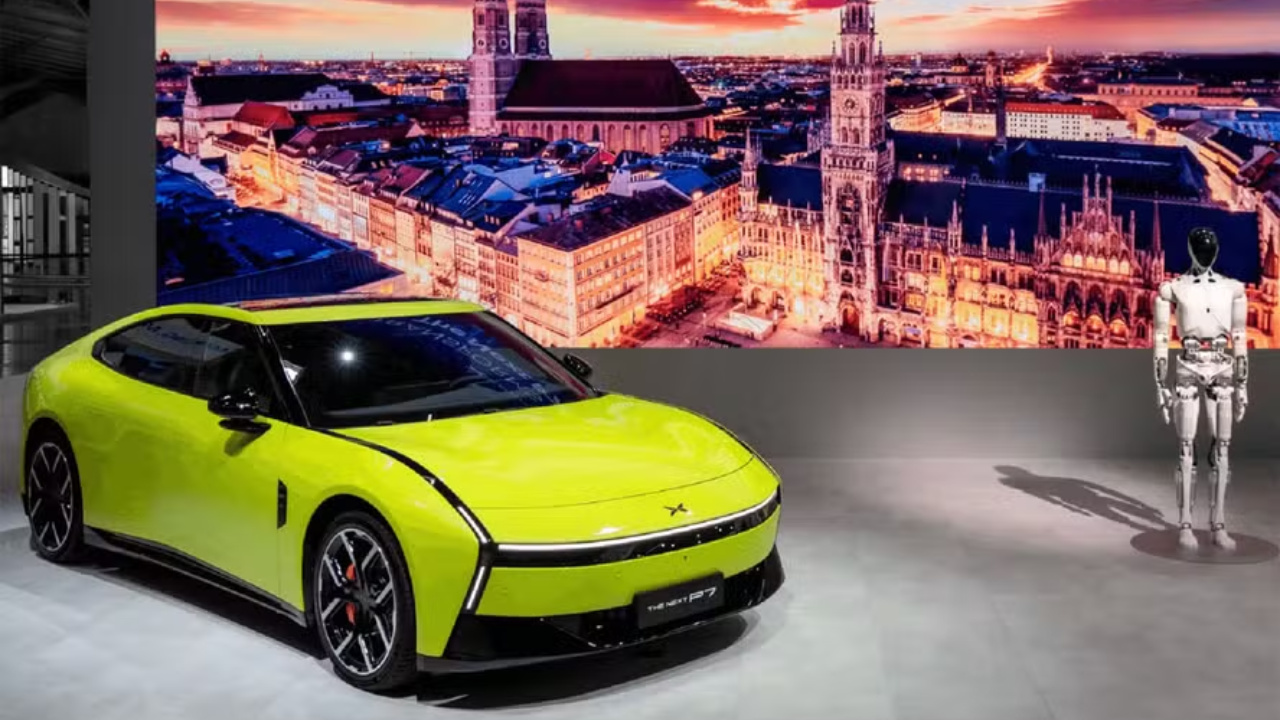

xPeng, Chinese Giant of Technology and Innovation in Mobility, Studies Expanding to Brazil with Electric Cars, eVTOLs, and Even Humanoid Robots with Artificial Intelligence.
xPeng, rising Chinese brand in the automotive sector, has been attracting global attention not only for its electric cars but also for its bold bets on disruptive technologies. Founded with the participation of former executives from companies such as GAC, Alibaba, and Xiaomi, the company is not limited to ground mobility: the future of the brand also includes flying cars (eVTOLs) and humanoid robots controlled by Artificial Intelligence.
At the Munich Motor Show 2025 (IAA), one of the largest global automotive events, xPeng showcased to the European public not only its line of electric vehicles but also projects that seem straight out of science fiction. It was in this context that the company’s global vice president, Brian Gu, confirmed that Brazil is on the brand’s radar, as reported by AutoEsporte this Friday, September 12.
Plans for the Brazilian Market
xPeng’s entry into Brazil does not have a defined date yet, but the executive hinted that the strategy should not be limited to just electric vehicles. “If we are studying entering [Brazil], it is natural that all the products we develop are on the radar,” emphasized Brian Gu.
-
Chery Offers Lifetime Battery Warranty and Car Replacement for Major Failures Under New Chinese Regulations

-
Nissan Discontinues Qashqai SUV Amid Cost-Cutting, Chinese Competition, and Product Line Review
-
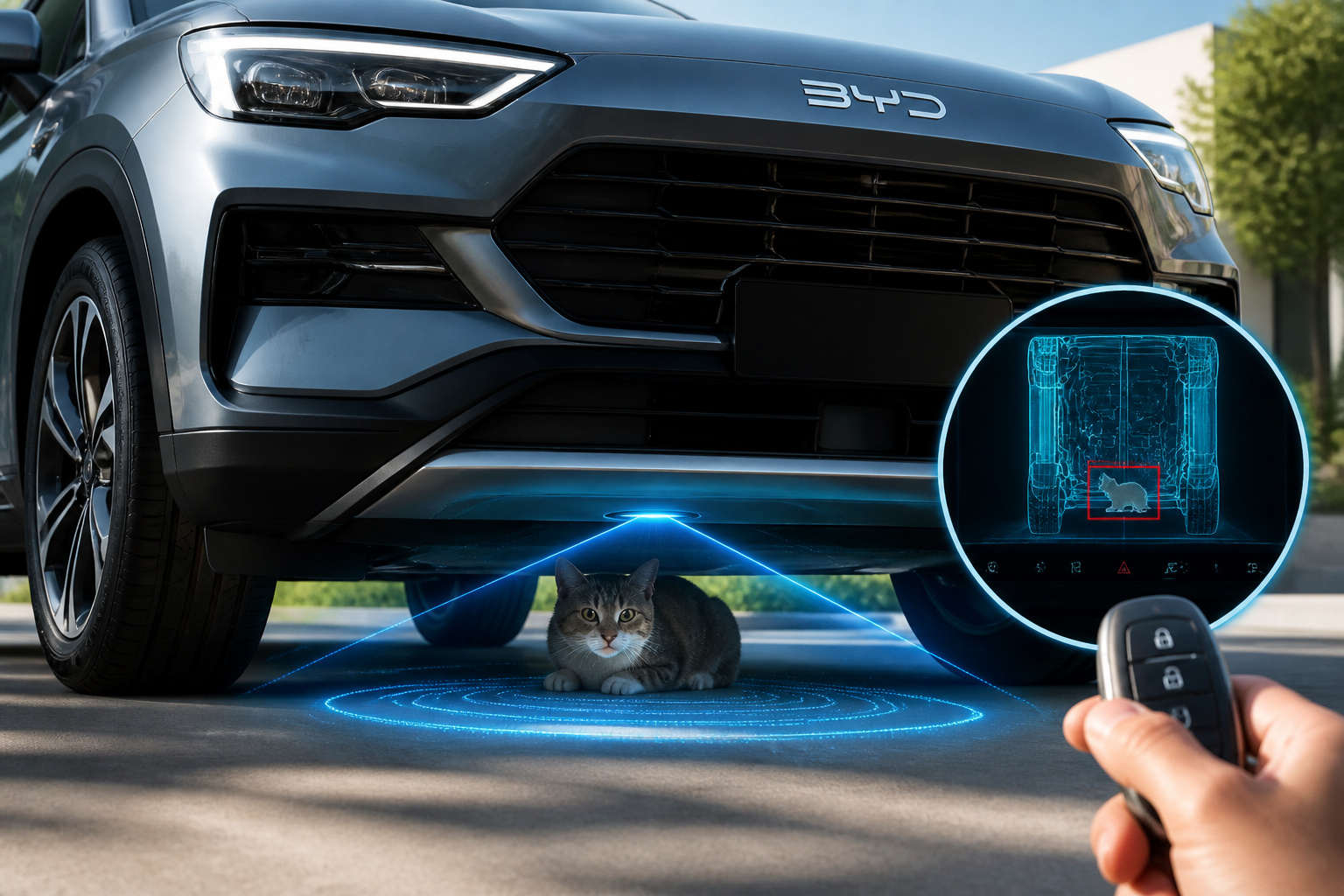
BYD Patents Revolutionary System Using Computer Vision to Detect Animals Under Cars Before Starting, Preventing Tragedies

-
BMW Completes $1.7 Billion Investment in the U.S. for Electric Vehicle Production, Positions South Carolina for New Generation as Rivals Reassess EV Race
This means that, in addition to electrified sedans and SUVs, humanoid robots and eVTOLs could also be part of the future national portfolio. When asked about the possibility of selling robots on Brazilian soil, Gu answered emphatically: “Yes, certainly.”
Still, the final decision regarding entry into the country is under analysis.
The xPeng P7 Electric Sedan: Highlight in Munich
Among the models on display at the German show, the xPeng P7 was one of the main attractions. It is a second-generation sedan that combines sophisticated design, artificial intelligence, and impressive autonomy.
- Dimensions: 5.02 m in length, 1.97 m in width, 1.43 m in height, and a wheelbase of 3.01 m.
- Aerodynamics: coefficient of only 0.201, one of the lowest in the category.
- Range: up to 820 km on the Chinese WLTC cycle.
- Architecture: 800-Volt system, with batteries of 74.9 kWh (LFP) or 92.2 kWh (NMC).
- Performance: 0 to 100 km/h in 3.7 seconds and ultra-fast charging that guarantees 525 km in just 10 minutes.
The model can be configured with three artificial intelligence motors from Turing AI and a Qualcomm Snapdragon SA8295p processor, which power the VLM (Very Intelligent Cabin) onboard assistant. The manufacturer believes that the sedan will achieve level 4 of autonomous driving by 2026, a milestone for the industry.
Iron Humanoid Robots: The Bet Off the Streets
At the brand’s booth in Munich, however, it was not only the P7 that stole the spotlight. The Iron, xPeng’s humanoid robot, also caught attention.
Standing 1.73 m tall and weighing 70 kg, the Iron has 60 joints and the ability to perform over 200 different movements. Its processing power is equivalent to 3 trillion operations per second, making it capable of working in factories and, in the future, in daily tasks.
The robot is expected to enter mass production starting in 2026. The company estimates investing US$ 13.8 billion (about R$ 75 billion) in this segment over the next 20 years.
eVTOLs: The “Flying Cars” on the Horizon
Another highlight of xPeng’s strategy is the eVTOL nicknamed “Modular Flying Vehicle” (Land Aircraft Carrier). The prototype will be officially tested in Dubai, UAE, before reaching other markets.
The first demonstration flight is scheduled for next month, and the expectation is that the model will be commercially available in 2026.
This bet reinforces the company’s positioning as a global player not only in electric mobility but also in new forms of urban air transport.
While several Chinese manufacturers focus efforts only on entry-level electric cars, xPeng aims for a different audience: consumers seeking cutting-edge technology, futuristic design, and integrated AI experiences.
This repositioning could make the brand a strong competitor not only to traditional automakers but also to technology giants venturing into the automotive sector.