






 Portuguese
  Spanish
  3 min of reading
  0 comments


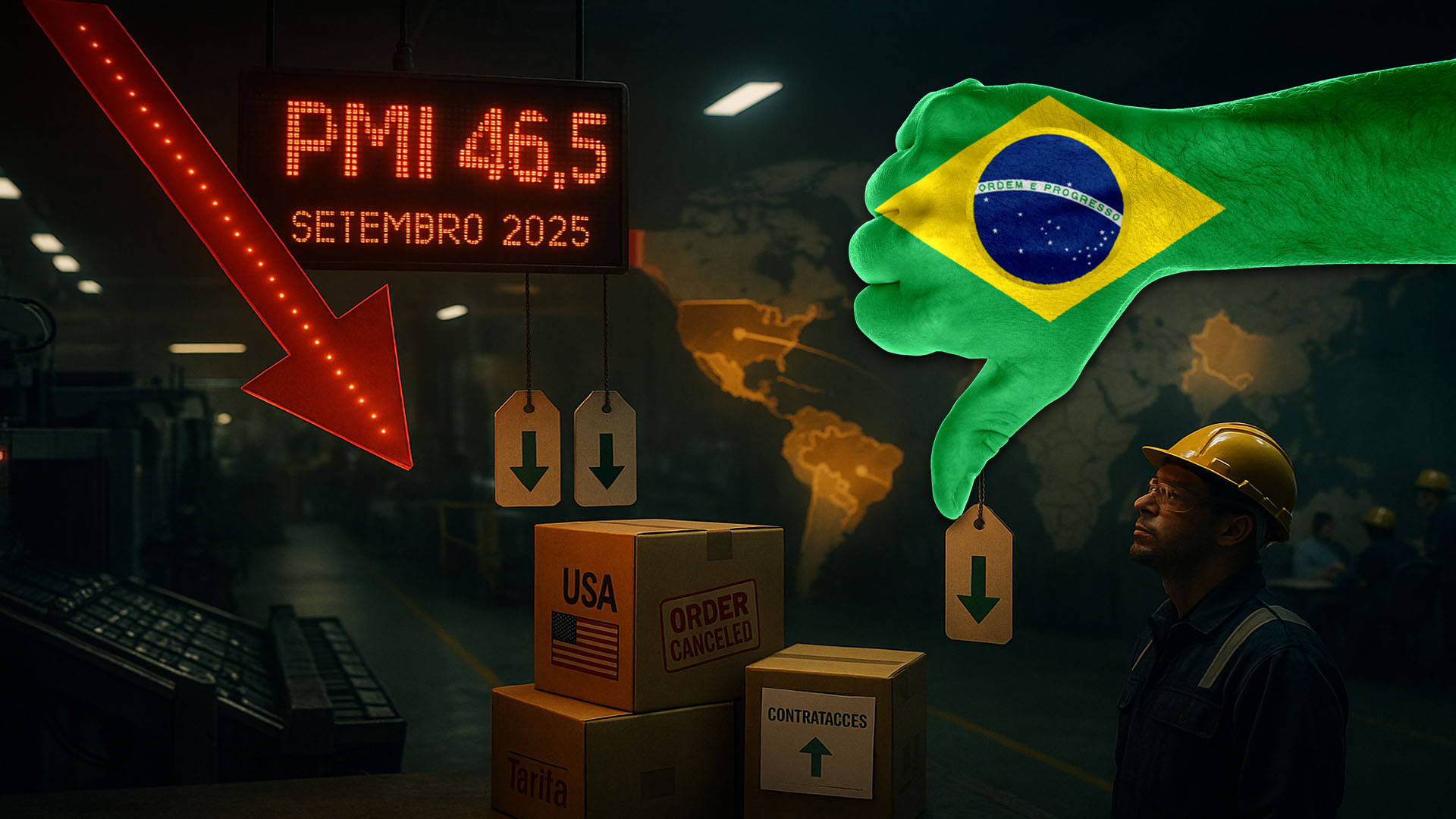
S&P Global Points To The Worst Reading In 29 Months In The PMI Of The Brazilian Industry In September (46.5), With Decrease In New Orders And Impact Of US Tariffs; Cheaper Inputs Allowed Discounts And There Was Slight Job Creation.
The Brazilian industry recorded the most intense contraction in 29 months in September. The Industrial PMI Fell To 46.5, Down From 47.7 In August, Remaining Below 50, The Level That Separates Expansion From Contraction. The Data Is From S&P Global And Was Released On October 1, 2025.
The Deterioration Reflected Weaker Domestic Demand And A Decline In New Orders, With Companies Reporting Fifth Consecutive Monthly Decline In Production. The Quarter Was Also The Worst Since Q2 2023, According To Market Summaries.
However, There Were Two Reliefs: Input Costs Fell For The First Time Since The End Of 2023, Which Opened Up Space For Discounts In Prices; And Employment Slightly Increased After Shrinking In August.
-
Land Rover to Halt Production in July, Putting 371 Jobs at Risk, as Chinese Automaker Negotiates to Convert Factory to 100,000 Vehicles Annually by 2027

-
Mexican Pest Threatens U.S. Cattle Herds at Historic Lows, Potentially Boosting Brazilian Beef Exports as Burger Prices Soar

-
Brazilian Freight Bill Progresses in Congress with $5,000 Minimum Wage, 70% Advance Payment, and Fines Up to $1 Million, as Agriculture and Industry Warn of Rising Costs and Legal Uncertainty

-
High Interest Rates and Record Defaults Lead to Surge in Vehicle Repossessions and Crowded Car Auctions in Brazil by 2026


S&P Reports That The Tariffs Imposed By The US In August Caused Order Cancellations, Although Some Have Been Compensated By Better Demand From Argentina, Italy, Mexico, Uruguay, And The United Kingdom. The Data Collection For The Survey Occurred Between September 11 And 23.
Brazil’s Industrial PMI: What The Drop To 46.5 Means
The Score 46.5 Indicates That More Companies Reported Deterioration Than Improvement In Operational Conditions. The Decline Came After 47.7 In August And Reinforces The Contraction Phase Of The Sector.
In The PMI Methodology, Readings Below 50 Indicate Declines In Variables Such As Production, New Orders, And Purchases Of Inputs. S&P Highlights That Both The Domestic And External Markets Have Weakened.
The Associate Director Of S&P, Pollyanna De Lima, Summarized That September Brought More Pronounced Contractions In Orders And Production, With An Still Challenging Environment For Factories.
US Tariffs And External Demand: Where The Most Impact Was
S&P Reported That The US Import Tariffs, In Effect Since August 6, 2025, Caused Cancellations In Export Orders. Nevertheless, Companies Reported Some Improvement In Destinations Such As Argentina, Italy, Mexico, Uruguay, And The United Kingdom.
Trade Data Confirms The Shock: Exports With Tariffs To The US Fell 22.4% In August, According To Amcham, Pressuring Brazilian Volumes That Month.
The External Situation In September Was Also Less Favorable: PMIs Showed Contraction In The United Kingdom And The Eurozone, With Export Orders Declining. This Limits The Recovery Of Global Demand For Manufactured Goods.
Falling Input Costs And Selling Prices With Discounts
One Positive Point Came From The Costs. S&P Noted That Input Prices Fell For The First Time In Almost Two Years, Supported By The Appreciation Of The Real Against The Dollar And By Increased Availability Of Materials.
With Lower Costs, Companies Reduced Selling Prices To Try To Stimulate Demand, A Common Practice In Slowdown Cycles To Clear Stocks And Preserve Market Share.
This Inflationary Relief At The Wholesale Level Does Not Eliminate The Contraction, But Reduces The Magnitude Of The Decline By Offering Competitiveness In Prices, Especially In Cost-Sensitive Segments.
Employment, Confidence, And The Q3 Snapshot
Despite The Weak Scenario, Industrial Employment Showed Slight Increase In September, Reversing The Contraction Of August. Optimism For The Next 12 Months Remained, Supported By Expectations Of Improved Demand, Investments In Technology, And Even The Chance Of A Tariff Agreement With The US.
In Quarterly Terms, July-September Marked The Worst Performance Since Q2 2023, With New Orders And Production Declining At The Fastest Pace Since April 2023 In Part Of The Period, According To Market Compilations.
In The International Scenario, Several PMIs Suggest Synchronised Weakening In September, Which Complicates A Recovery Via Brazilian Exports In The Short Term.
Leave Your Comment, Do You Think That US Tariffs Explain The PMI Drop More Than Domestic Weakness, Or Is The Central Issue High Credit Costs And Low Confidence In The Domestic Market? Could The Reduction In Input Costs Change The Game In The Coming Months?







-

-

2 people reacted to this.