






 Portuguese
  Spanish


P&G Announces Layoffs of 7,000 Employees and Global Restructuring. Drastic Measure Could Shake Industry and Directly Impact Consumers.
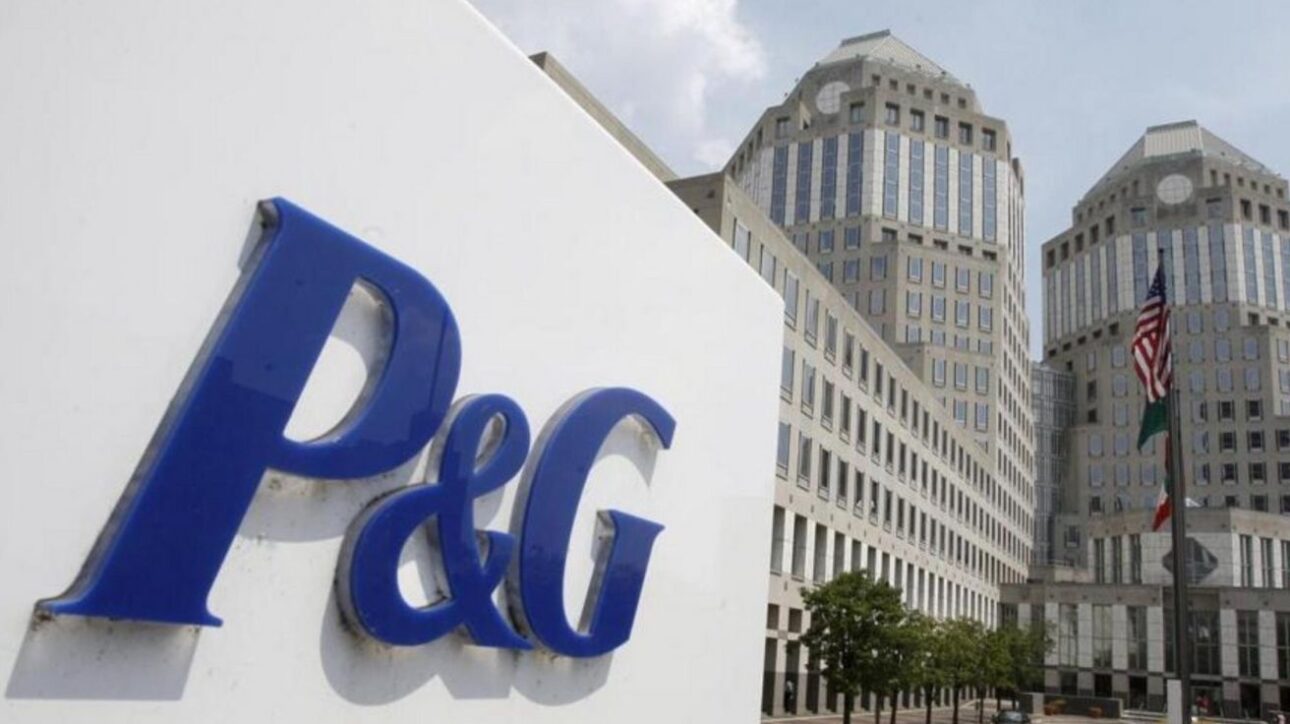
Procter & Gamble (P&G), a global leader in the consumer goods sector, announced this Thursday (5th) a restructuring plan that will result in the elimination of approximately 7,000 jobs, equivalent to about 6% of its total workforce.
The decision is part of a strategy to tackle an unstable demand scenario, rising costs, and global trade tensions, which directly affect the company’s profitability.
According to P&G executives at a conference held by Deutsche Bank in Paris, the company also plans to discontinue some product categories and brands in specific markets.
-
How to Prevent Brown Recluse Spider Bites: Common Hiding Spots and Free Tips to Reduce Risks

-
Natto: The Unusual Japanese Superfood Gaining Popularity on Social Media and Driving Record Exports
-
Brazilian Mayor Goes Undercover as Homeless for 24 Hours to Assess Public Services

-
15-Year-Old Entrepreneur Malu Lira Publishes 20 Children’s Books on Financial Education, Earns $500,000, and Expands Her Project to the Amazon Rainforest




In addition, there may be strategic divestitures, although details have not been disclosed at this time.
Delicate Scenario for Global Consumption
This move comes at a delicate time for global consumption, marked by the expectation of a contraction in consumer spending in 2025, influenced by persistent inflation and economic instability.
According to P&G managers, the restructuring is an acceleration of the current strategy, aimed at making the company more agile and competitive in the face of market challenges.
Simplifying the organizational structure will be one of the priorities, with an expansion of roles and a reduction in team sizes, a measure that, according to the company, aims to increase operational efficiency.
As of June 2024, P&G employed approximately 108,000 people globally, with the anticipated cuts affecting about 15% of the company’s non-industrial workforce.
Adjustment in P&G’s Portfolio and Supply Chain
In addition to the layoffs, P&G plans to sell certain brands to optimize its supply chain and reduce costs, a crucial step to maintain competitiveness in a climate of rising economic pressures.
The trade war initiated in 2018 by the United States, under former President Donald Trump, has severely impacted the industry, particularly companies reliant on imports from China, like P&G.
The company imports ingredients, packaging materials, and finished products from China for the North American market, which is the company’s largest consumer.
High tariffs have resulted in increased costs and a significant decline in sales.
According to a Reuters analysis, trade tensions have cost U.S. companies over US$ 34 billion in lost sales and additional costs, a figure that continues to grow.
This scenario has pressured global consumer goods giants to reevaluate their strategies, seeking to cut expenses and adjust portfolios to protect margins and ensure business sustainability.
Competition and Innovation in the Sector
Competition with other major companies in the industry, such as Unilever, has also intensified the need for quick and assertive adjustments.
Both face the same reality of inflation, changes in consumer behavior, and rising production costs.
Market experts emphasize that P&G’s decision reflects a growing trend in the sector: the pursuit of greater focus on profitable segments and the elimination of less profitable or poorly accepted lines in the market.
This strategy not only helps balance finances but also contributes to accelerating innovation and the development of products that meet new consumer demands, who are increasingly aware of sustainability and quality.
In addition, the digitization of processes and automation in operations are P&G’s bets to maintain competitiveness in the long term, reducing dependence on labor and increasing productivity.
Social Impact and Labor Market
However, the announced cuts raise concerns among human resources and economic specialists, who warn about the social impact of large-scale layoffs, especially in regions where the company has a strong presence.
According to analysts, the reduction in the workforce could generate negative effects on local consumption, exacerbating pressure on the economy in areas already affected by financial challenges and high unemployment rates.
Additionally, the transformations in the labor market, accelerated by technology and changes in business models, demand increasingly skilled and adaptable workers, a challenge for many of those laid off.
In light of this scenario, P&G emphasizes its intention to support affected employees with transition programs, professional retraining, and assistance for re-employment in the market.
Despite the crisis and challenges, the company bets on the resilience of the sector and the ability to adapt to overcome the obstacles posed by the current economic environment.






