






 Portuguese
  Spanish


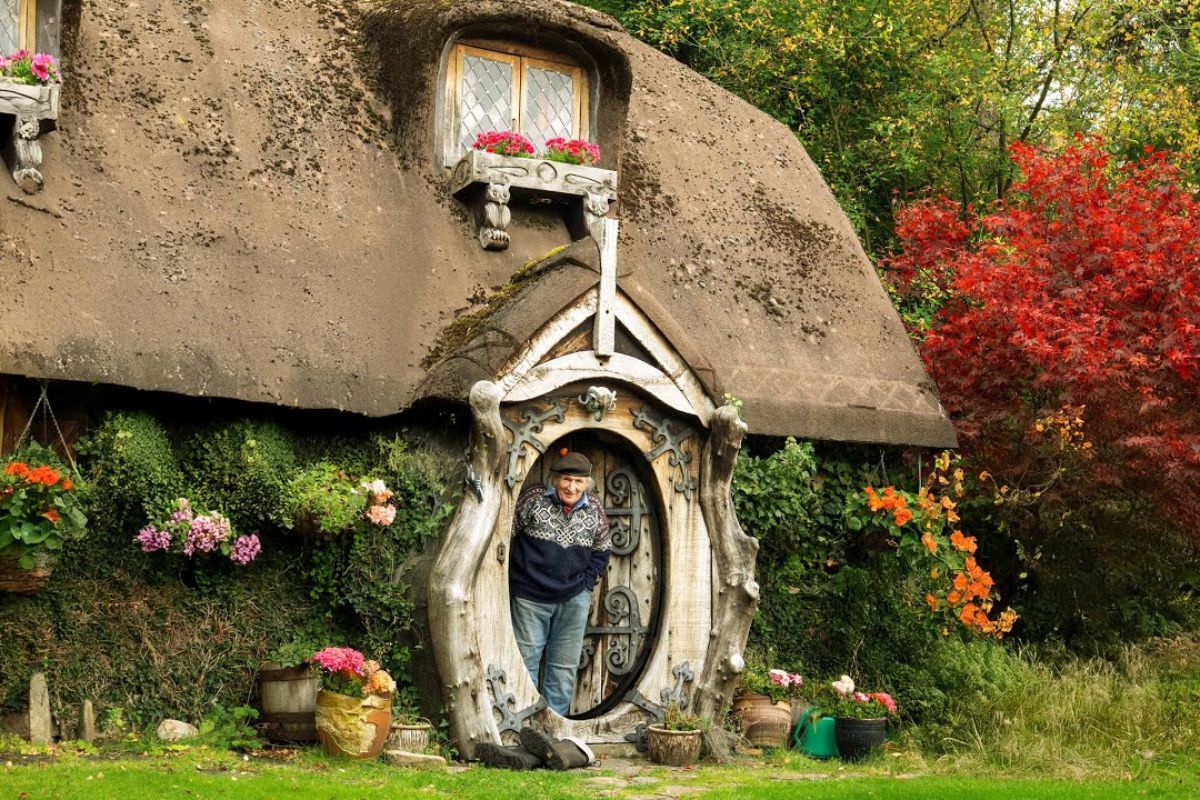


In The Forests Of Tomich, Near Loch Ness, The Hobbit House Built By Stuart Grant Reveals How A 94-Year-Old Ex-British Soldier Has Lived For Decades Among Streams, Stones, And Birds In A Handcrafted Refuge
Amidst centuries-old trees and the constant sound of a stream, Stuart Grant, a British ex-soldier born in 1929, inhabits a dwelling that seems to have come straight from a fantasy book. His Hobbit House, built with wood and stone, is the result of forty years of craftsmanship, starting in 1984 when he decided to renovate an old, abandoned shoemaker’s shelter.
Since then, he has lived in isolation in the Scottish Highlands, where natural silence replaces the noise of cities. There, he feeds birds, reads poetry, and carves wood, maintaining a lifestyle that is almost self-sufficient and guided by the contemplation of nature.
The Location And The Path To The Hobbit House
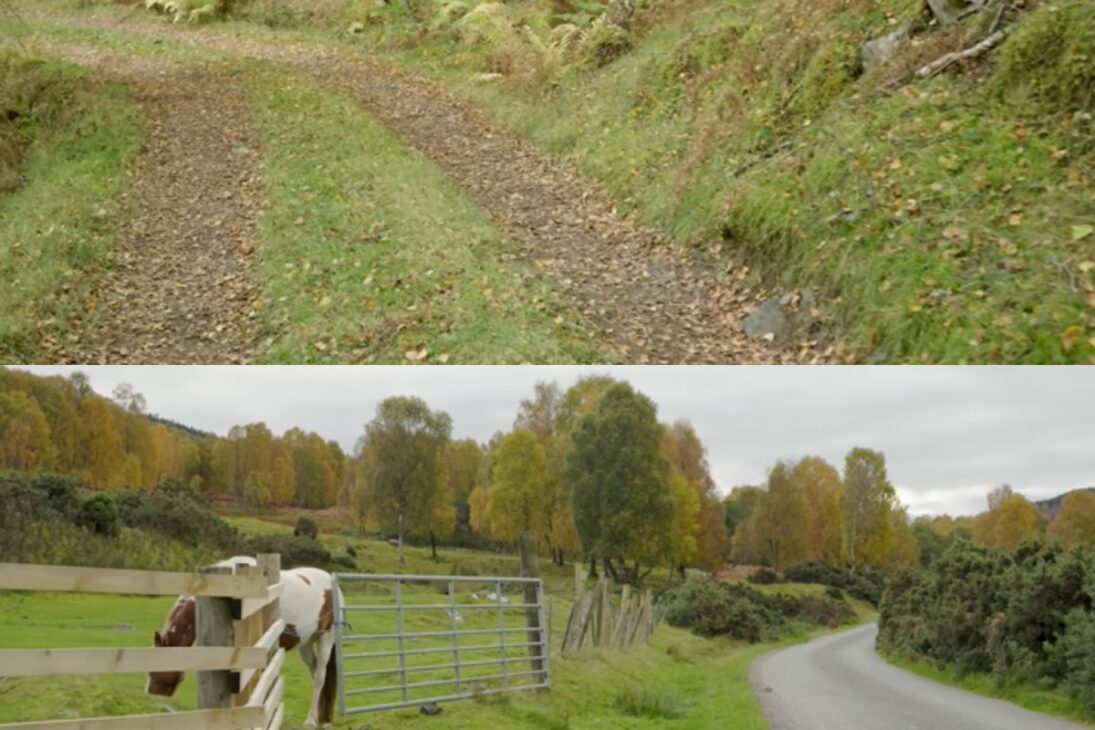
The Hobbit House is located in Tomich Village, near the famous Loch Ness, an area protected by dense forests and accessed by a narrow dirt road.
-
The North Face Co-Founder Donates Vast South American Lands to Create National Parks in Patagonia, Turning Private Wealth into Environmental Legacy

-
From Rural Brazil to Global Tech: Entrepreneur Builds a 800-Employee Company with Over $40 Million Annual Revenue in 19 Countries

-
Brazilian Farmer Transforms Soybean Land into Thriving Banana Plantation with 15,000 Trees Using Solar Power and Irrigation, Selling at $5 per Kilo
-
Canadian Entrepreneur Sells Company to Build Community with 99 Tiny Homes for the Homeless, Offering Jobs and Solar-Powered Amenities




Finding the residence requires crossing trails surrounded by moss, stones, and streams, until the curved wooden door, embedded in the ground as if the landscape had swallowed it, is revealed.
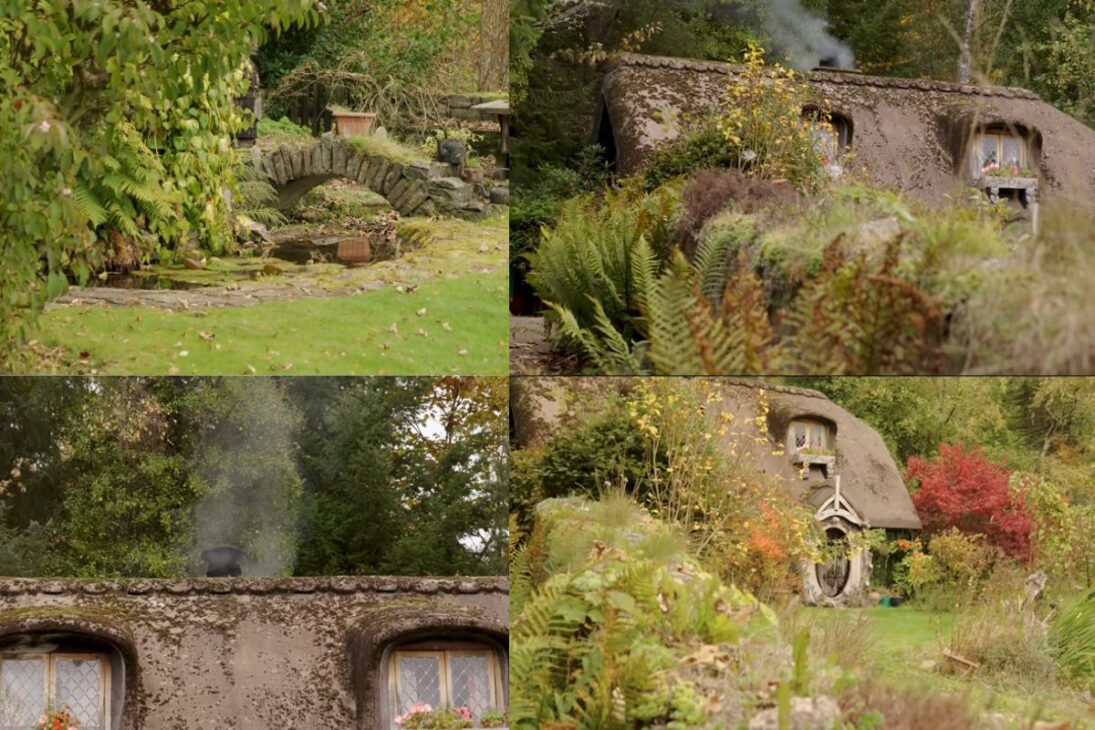
Stuart built every part of the shelter by hand. He reused stones from the river for the walls, cut logs from fallen trees, and shaped the sloping roof to replace the old flat ceiling.
The organic architecture of the house precisely integrates with and respects the environment, without altering the balance of the surrounding forest.
From Military Life To A Refuge Among Trees
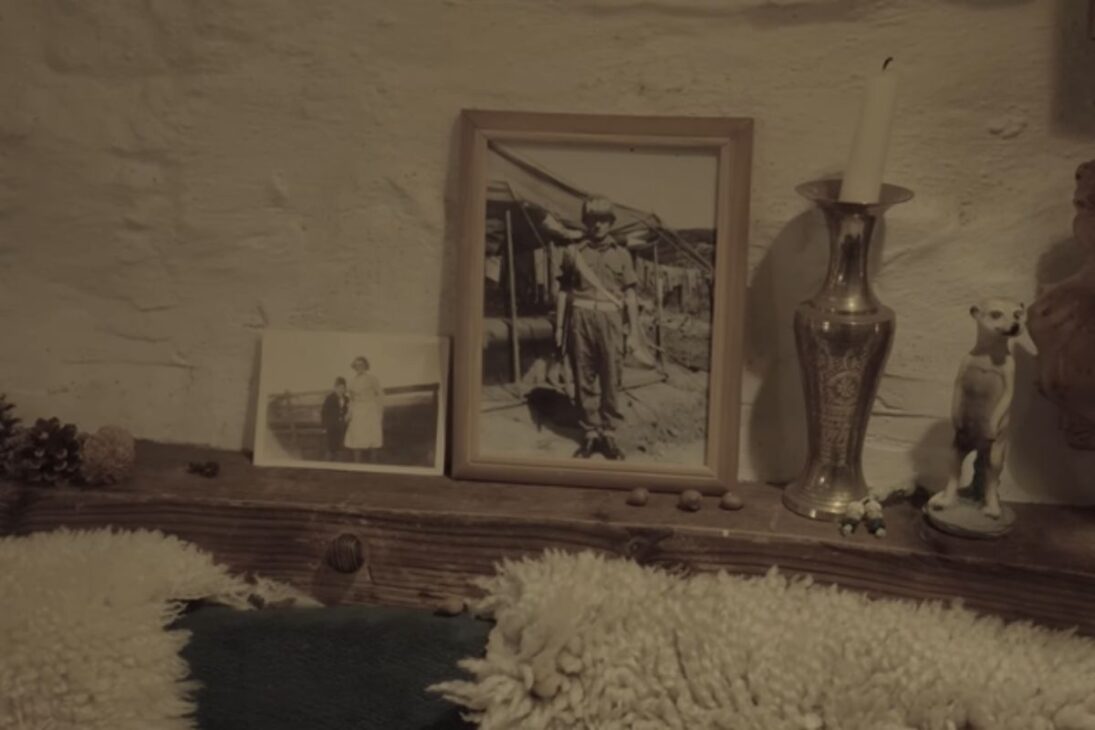
Before living in isolation, Stuart served in the British Army for two years. He participated in trips and deployments that took him to Malta, Singapore, Hong Kong, Korea, and Japan during the post-war period.
These experiences marked his relationship with time and space, reinforcing the desire for simplicity and introspection that would guide him decades later.
When he returned to Scotland, he found an abandoned stone shelter in ruins on the land. He decided to renovate it as a temporary residence, but the makeshift became a permanent solution.
The transformation of the shelter into a home was a natural extension of his military discipline and his search for purpose, now applied to the creation and care of the surroundings.
Handcrafted Structure And Aesthetic Inspiration
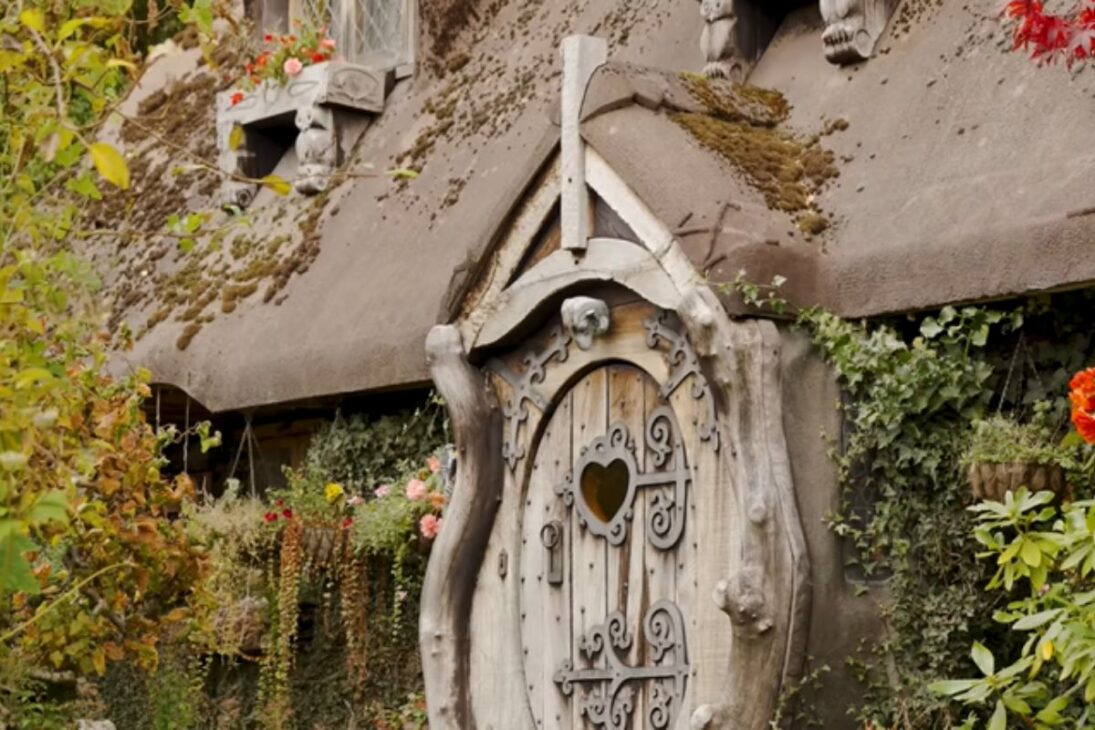
Even though he has never read The Hobbit by J. R. R. Tolkien, Stuart built a home that resembles descriptions of the Shire. The small windows, the rounded door, and the molded wood interior create a fairy tale atmosphere.
Every detail from the carving of the doors to the arrangement of the slabs was made by hand, without the help of architects or engineers.
The site features a small lake, a firewood area, and a garden populated by birds. The house is both a work of rustic engineering and an artistic manifestation, a result of patient observation of the forest and the comprehensive use of available resources.
A Daily Life Shaped By Silence
The ex-soldier’s routine is simple and consistent. He lights the wood stove, cuts wood, prepares his meals, and takes care of the surroundings. The absence of neighbors and advanced technology reinforces the direct bond with natural cycles.
The noise of the stream, the wind in the leaves, and the songs of the birds make up the daily soundtrack.
Even in isolation, Stuart maintains an active sense of curiosity: he writes, reads, and is interested in travel, remembering with enthusiasm places like Vietnam and Australia, where part of his family lives.
Isolation, for him, is not loneliness, but a continuation of the dialogue with the natural world.
A Refuge That Precedes Fantasy
Interestingly, Stuart’s Hobbit House predates the films of The Lord of The Rings. Its resemblance to the universe created by Tolkien is a product of chance and the convergence between human imagination and natural landscape.
The space has become a spontaneous visitation point for travelers who discover it in the vicinity of Loch Ness.
During autumn, the golden leaves and the cold of Scotland enhance the magical aspect of the place. Mushrooms, old bridges, and morning fog create the perfect frame for the refuge: a intersection between human ingenuity and the memory of the territory.
The Permanence And The Meaning Of The Hobbit House
Living for decades in a self-built space is more than an aesthetic choice; it is an act of permanence. Stuart preserves a way of life that defies the urban pace and reinforces the possibility of harmony between man and environment.
His Hobbit House is a silent symbol of artisanal ingenuity and spiritual self-sufficiency.
As time advances and the forests change, the small shelter in Tomich remains a testament to a life shaped by manual labor and serenity a true tale amid the legendary landscape of Scotland.
If you could live in a place like this, surrounded by the sound of water and the song of birds, would you choose the isolation of the forest or the routine of the city?


