Portuguese
  Spanish



Steel Mills Have Increased Prices by More Than 100% Since the Beginning of the Pandemic, Prioritizing Exports and Impacting the Oil Industry
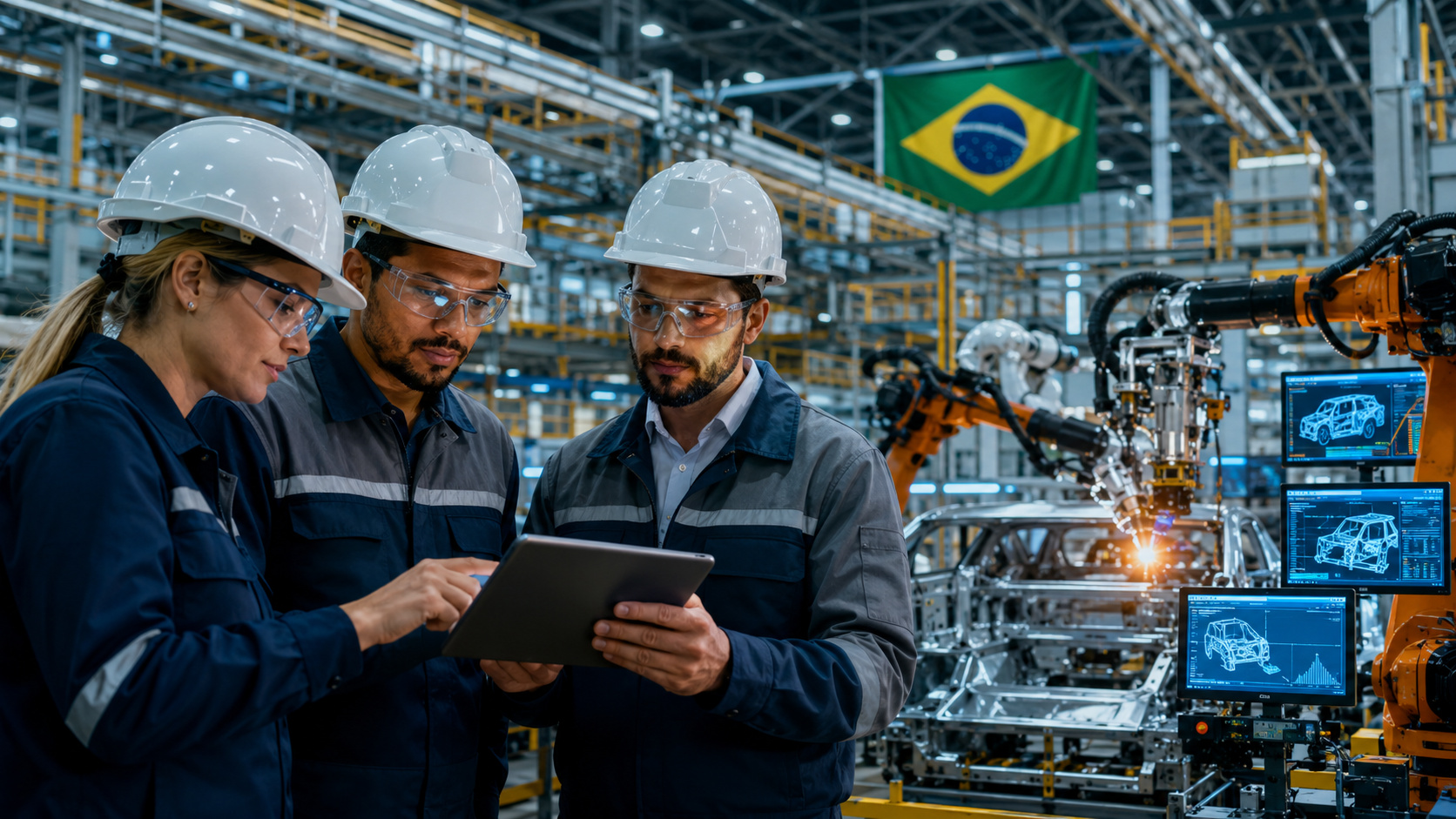
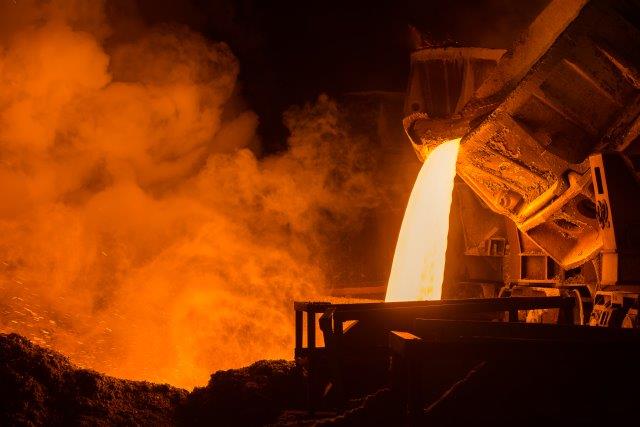
Since April, the largest steel mills in Brazil have increased steel prices by more than 100% and, due to the rise of the US dollar, have prioritized the external market. Last week, the National Association of Motor Vehicle Manufacturers (ANFAVEA) attempted to negotiate with the steel mills producing flat steels but backed out, stating that there are no supplies. The same situation occurred in the oil and gas sector.
See Other News of the Day:
- Energy – With an investment of R$ 16 million, two solar plants are inaugurated in Mato Grosso and Mato Grosso do Sul
- Gafisa Opens Registration for 25 Internships in the State of São Paulo
- €1 Trillion Will Be Withdrawn from the Oil and Gas Industry
- Energy Company of Brasília – CEB, Gets Approval from the STF to Auction and Be Privatized
- Electric Cars: A New Type of Battery Could Revolutionize the Logistics of Electric and Hybrid Transport
Companies That Have Started Shutting Down Their Assembly Lines: Mercedes-Benz Canceled Two Additional Saturday Productions Needed to Meet Strong Demand. At General Motors, there is a notice that the production of the S10 will be suspended for one or two days over the next two weeks.
-
Abandoned Building in Brazil to Become Biotechnology Unit with $10 Million Investment, Bridging Science, Industry, and Public Health

-
Company Offering “Stones to Diamonds” Scheme Sells Ruined Italian Homes to Brazilians for 1 Euro, Disappears with Promised Renovations, Leaving Buyers in Debt to Italian Tax Authorities Until 2028 Without Property

-
Plastic Packaging Drives Santa Catarina Industry to 230% Growth, Aiming for R$ 500 Million by 2030 Amid Sector Crisis, with New Gearless Line Expanding in Southern Brazil to Compete in South America

-
Flamengo Star Invests in Brazilian Coastal Luxury Real Estate as Itapema Surpasses Balneário Camboriú in High-End Market Growth


After the economic crisis caused by the pandemic and the disruption of the production chain forced factories in different sectors to suspend production for several months, demand has recovered faster than expected.
Delivery delays have directly impacted production at a time when the market is starting to react. The waiting list is already long, especially for companies that use fleets, such as rental agencies. The wait can be at least two months.
There has not been a complete halt yet, but delays are slowing production, especially as the market begins to react. There is already a long waiting list, which could reach two months at least. Due to the lack of parts, delivery delays for trucks made at the Volks factory in Resende (RJ) could exceed months.
Luiz Carlos Moraes, president of Anfavea, says, “Automakers are even using air freight to expedite the delivery of materials and reduce time, but there is an increase in cost. Our supply chain is very long, with a lot of imported materials.”