Portuguese
  Spanish




Navigating Offshore Safety Regulations
The offshore work environment is intricately linked to high safety standards, beginning with essential training that covers everything from behavior to survival techniques. These trainings are fundamental for preparing professionals who will face challenges on oil platforms, whether they are focused on exploration or production. A meticulous team is responsible for assessing and organizing the essential competencies and knowledge required for the designated functions of each employee.
However, a close observation reveals that the understanding of the risks and challenges inherent to the sector by professionals and supplying companies often falls short, jeopardizing not only the operational efficiency of the platforms but, more critically, the safety and lives of individuals.
The Pillar of Safety: Regulatory Standards vs. Technical Standards
The Regulatory Standards (NRs), stipulated by the Ministry of Labor and Employment (MTE), are an essential legal requirement to ensure safety, well-being, and the prevention of occupational accidents and diseases. Unlike technical standards, which serve as recommendations or guidelines for activities and processes, the NRs have the force of law in Brazil. NR-12, specifically focused on machinery and equipment safety, stands out for its comprehensiveness and the challenges it poses in its implementation, requiring a meticulous assessment of associated risks and dangers.
-
Oil production grows in Rio, but reserve replacement raises a warning sign

-
Petrobras is expected to complete the drilling of the Morpho well in the Foz do Amazonas in August 2026, the first well in the Equatorial Margin, an oil frontier that the ANP estimates at more than 30 billion barrels and could redraw the map of Brazil.

-
Oil returns to the center of concerns with tension between the US and Iran

-
IEA reduces forecast for global oil demand in 2026 after impacts of the Middle East crisis


The Offshore Scenario: Amplified Risks and Mitigation Strategies
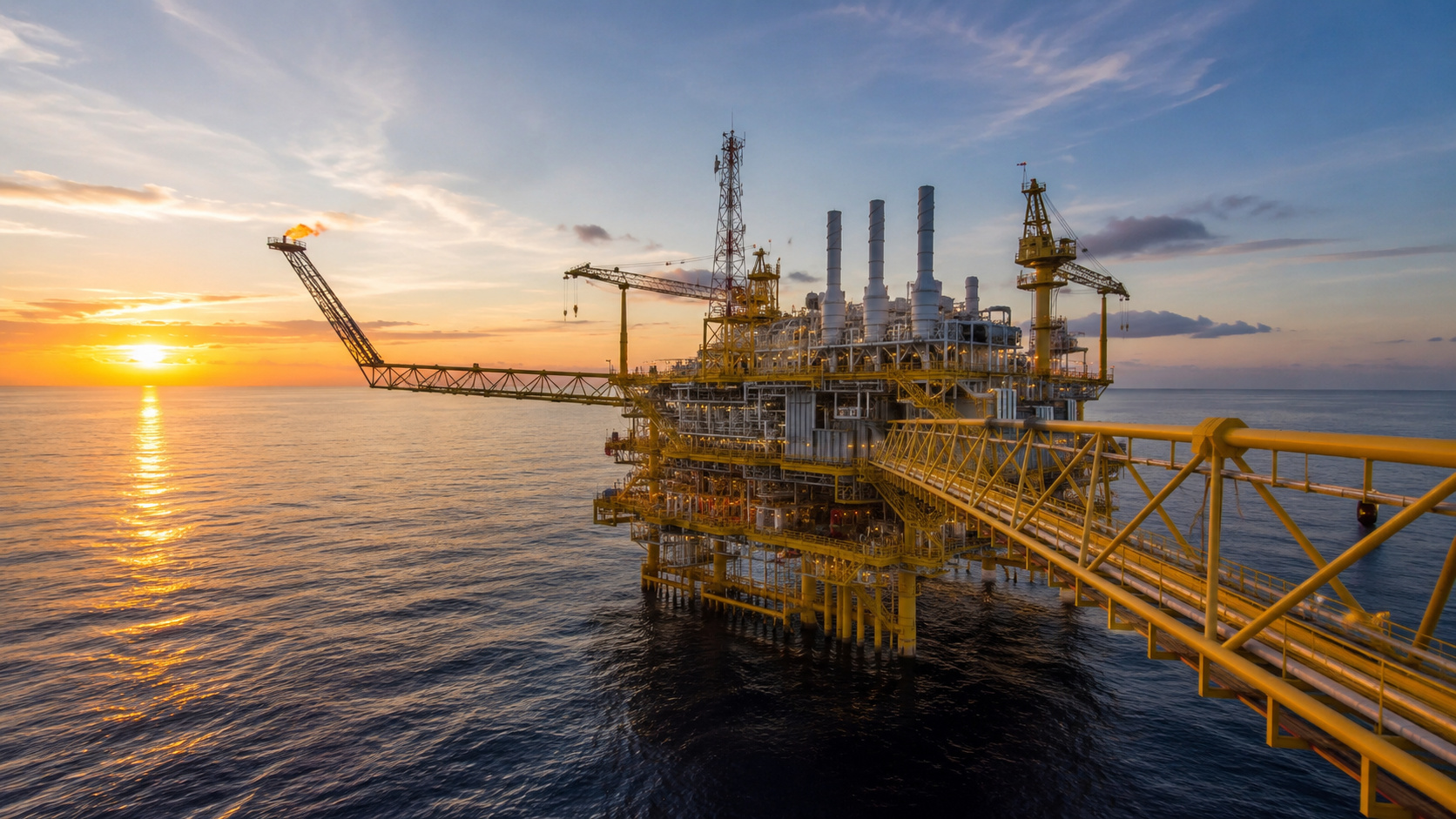
In the context of offshore platforms, the application of NR-12 becomes more complex due to the unique characteristics of the environment, including areas classified as explosive atmospheres, which require specific and in-depth knowledge, such as that of the technical standard NBR IEC 60079. In addition to considering the suitability of equipment for risk zones, it is imperative to conduct inspections according to regulatory guidelines, as well as area classification studies, ensuring that installations and procedures do not pose serious or imminent risks.
Safety around machinery and equipment in offshore environments transcends physical and operational limitations, requiring a constant pursuit and application of national and international technical standards that underpin best safety practices. This effort aims to meet the requirements of NR-12 without compromising operational processes, emphasizing the importance of ensuring the physical integrity of workers, who must be adequately trained to perform their tasks safely.
The promotion of a safety culture, where responsibility is shared among all workers, is crucial for ensuring a safe and productive work environment on offshore platforms. It is essential for organizations to prioritize hiring companies with proven qualifications, thereby demonstrating a firm commitment to compliance with regulatory standards and the well-being of everyone involved in offshore operations. This approach not only elevates safety standards but also reinforces the industry’s overall reputation, aligning with long-term productivity and sustainability goals.
Source: Alexandre Finelli – Account Executive.