






 Portuguese
  Spanish
  4 min of reading
  0 comments


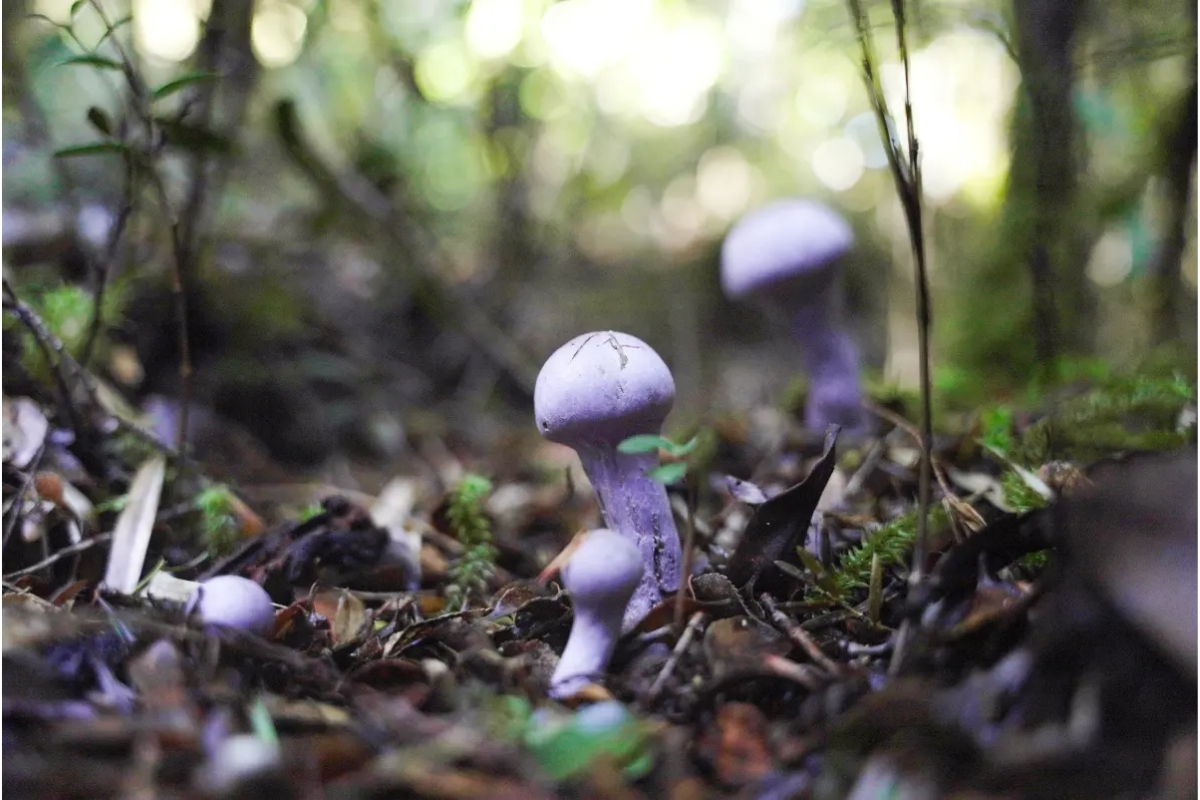
The Award Highlighted the Invisible Soil Network That Connects Roots, Distributes Nutrients, and Influences the Survival of Entire Ecosystems
The global network of mycorrhizal fungi gained worldwide attention after receiving a historic environmental award. The topic has moved from the technical field to being treated as a strategic piece for the future of the planet.
These fungi live in association with roots and create underground connections capable of transporting water, minerals, and carbon. In practice, this helps plants and trees to grow more efficiently and resiliently.
The impact goes beyond untouched forests. Underground life influences agriculture, recovery of degraded areas, and even how the soil responds to environmental changes.
-
Invisible Induction Technology Enables Wireless Power for Blenders, Coffee Makers, and Air Fryers, Reducing Countertop Cables

-
Smart Outdoor Lighting Transforms Gardens into Living Spaces with Weather Resistance and App-Controlled Scenes

-
Green dot on top of smartphone intrigues users, signals privacy alert in Android 12 that experts say shouldn’t be ignored.
-
Humanoid Robot Climbs 6,263-Meter Volcano in Ecuador, Sets Sights on Everest Challenge





The Award That Put Fungi at the Center of Environmental Debate
The recognition came with the Tyler Prize for Environmental Achievement, one of the most respected environmental awards in the world. The focus was on the study of mycorrhizal fungi, organisms that support the base of many terrestrial ecosystems.
What caught attention was the contrast between importance and invisibility. Much of this system operates out of sight but defines what happens on the surface.
The award reinforced an essential point: protecting nature also involves protecting what is below ground.
Why Mycorrhizas Became the “Natural Internet” of Forests and Plantations

Mycorrhizas form a direct partnership with plants. The fungus connects to the roots and extends the reach of the root system, helping to search for nutrients in areas the plant alone could not reach.
In exchange, the fungus receives energy in the form of sugars produced by photosynthesis. This exchange keeps the network active and creates a continuous flow of resources underground.
The result is a more stable environment, with plants that can thrive under tougher conditions, especially when the soil is poor or under stress.
What Flows Through This Underground Network and Why It Changes Everything
What moves through these connections is not digital signals. It is living matter essential for the functioning of the ecosystem, such as water, minerals, and carbon.
This dynamic helps explain why some areas resist drought better and why certain forests recover more quickly after disturbances.
The underground functions as biological infrastructure. When it is weakened, the surface feels it first, with a loss of plant vigor and decreased environmental stability.
The Underground Atlas Revealed an Alert: Over 90% of Hotspots Are Unprotected
The protection of these networks gained new momentum with the Underground Atlas, a tool created to map fungal biodiversity on a global scale.
The project uses a massive database, with 2.8 billion DNA sequences collected in 130 countries. This allows for much more precise localization of critical areas for underground life.
The most concerning data is straightforward: over 90% of mycorrhizal biodiversity is outside protected areas. This exposes the system to soil degradation, changes in land use, and continuous human pressure.
What Happens When the Soil Loses Its Fungal Network
When the mycorrhizal network is damaged, the impact is reflected in plant growth and fertility. The soil may continue to exist, but it loses part of its biological function.
This affects forests and also productive areas. Without the active network, plants tend to rely more on external conditions and become less resilient to environmental variations.
The loss of this underground base also weakens natural processes related to carbon, as the flow of organic matter in the soil changes and may lose stability over time.
Why This Discovery Changes the Way We Think About Conservation and Environmental Recovery
Conserving only what is visible does not solve the problem. A place can maintain trees upright and still have impoverished underground, with reduced biodiversity and fragmented networks.
The recovery of degraded areas also depends on this factor. Planting seedlings helps, but real regeneration requires living soil, with biological relationships capable of sustaining long-term growth.


The award and global maps make it clear that the underground is not a detail. It is a decisive component for ecological stability and the future of many environments.
The network of mycorrhizal fungi functions as a silent gear that maintains life above ground. When it fails, the entire system loses strength.
By putting this topic at the center, the chances of more comprehensive decisions grow, focusing on what sustains forests, plantations, and entire ecosystems, even when no one is looking.






Be the first to react!