Portuguese
  Spanish



Archeologists Identify Bones in Downtown Salvador (BA) at Site That May House Over 100 Thousand Enslaved People. Research Begins Preservation of the Site.
In downtown Salvador (BA), a team of archeologists announced the discovery of human fragments — bones — at a site that may house the largest cemetery for enslaved people in Latin America.
The finding, resulting from excavations in the parking lot of the Santa Casa de Misericórdia da Bahia, contrasts with the current use of the land, and experts state that the area requires immediate protection.
Discovery and Context of the Discovery of the Bones in Bahia
The archaeological intervention began on May 14, 2025, after doctoral candidate Silvana Olivieri (Federal University of Bahia – UFBA) cross-referenced 18th-century historical maps with satellite images and documented locations to identify the old Campo da Pólvora Cemetery.
-
She spent 73 years breathing inside an iron lung, survived the aftereffects of polio, and became the last woman in the United States dependent on the equipment before dying at 78 years old.

-
Brazilian students created a $1 filter using pine bark, cotton, and 3D-printed parts to clean cassava wastewater, reduce the toxicity of a hazardous waste, and transform contaminated water into biofertilizer.

-
Astronaut from Artemis II steps down after mission to the Moon and decision surprises after a record of 406,771 km, a historic 10-day journey, and an unprecedented achievement for Canada.

-
A fossil kept for years in a small museum in Montreal concealed 450-million-year-old soft tissue, a discovery that has only happened once before in history.


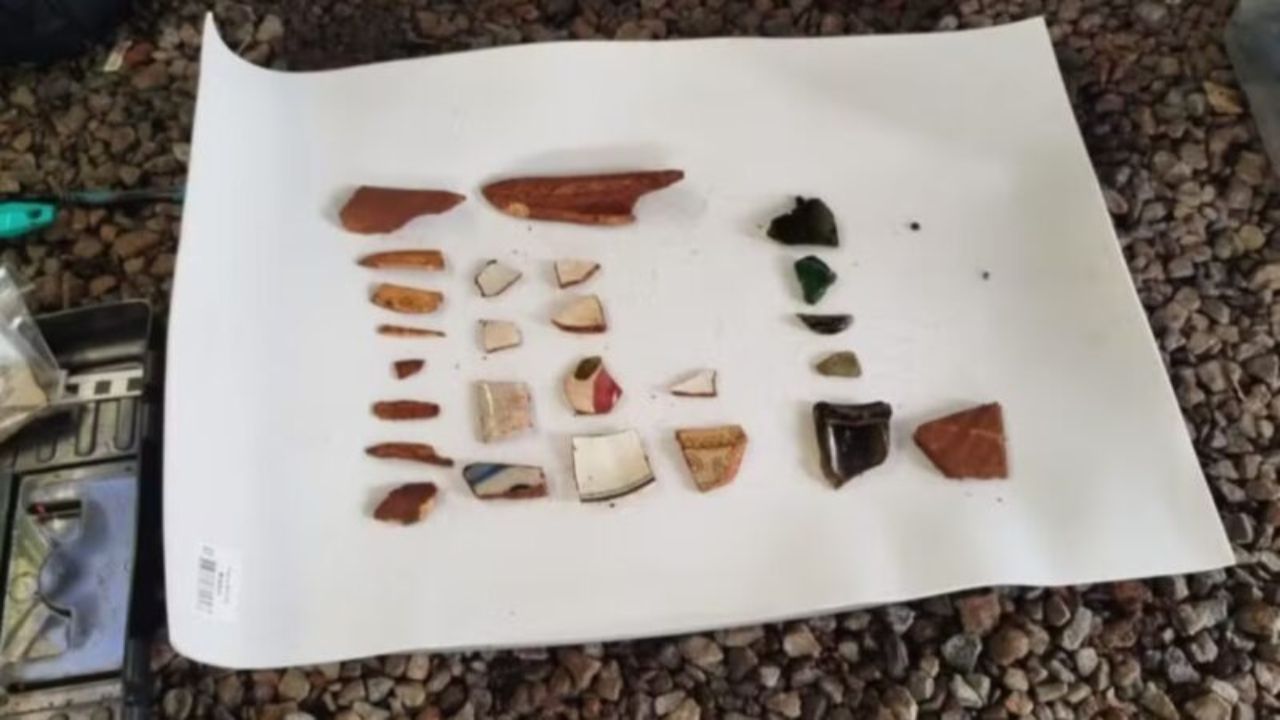
The initial drilling led to the discovery of skeletons at about 2.7 meters deep, as well as teeth and human bone fragments largely deteriorated by the acidic and moist soil.
Preliminary estimates suggest that the site may contain more than 100 thousand bodies of enslaved people and others who lived on the margins of society at the time — including Indigenous people, forced migrations, and marginalized individuals.
Why Is the Discovery Important?
The presence of such bones indicates not only an impressive number of burials.
As stated by archeologist Luiz Antônio Pacheco: “This cemetery was made invisible by layers of landfill that hid the true history of the city. But it was there, waiting to be found. We are facing a historical reparation.”
Through this discovery, the process of recognition and preservation of what is provisionally called the Archaeological Site Cemetery of Africans gains urgency, as the area is threatened by contemporary use as a parking lot and by the lack of adequate institutional visibility.
Current Situation and Measures Taken
The MP-BA officially recommended to Santa Casa that it stop using the site as a parking lot, considering the risk of damage to the archaeological remains.
In addition, researchers requested formal registration of the site as a cultural heritage from the National Institute of Historic and Artistic Heritage (Iphan) — a crucial step for ensuring protection, future studies, and symbolic reparation.
The research is conducted by teams from UFBA, coordinated by archeologist Jeanne Dias, along with supervision from promoters such as Cristina Seixas and Lívia Vaz, all active in MP-BA.
Meanwhile, the bone fragments that could be removed will be sent to the Federal University of Recôncavo da Bahia (UFRB) for future analysis.
The next step includes a public hearing to engage Black communities, memory organizations, religious groups, and civil society in dialogue about how to preserve the site — not only as an archaeological site but as a space for memory and reparation.
Challenges and Implications of Where the Bones Are
Preserving this cemetery involves overcoming technical, institutional, and social challenges.
The acidic and moist soil, for example, has deteriorated the remains to the point that immediate coverage and prohibition of movement over the land are required.
Furthermore, the current use of the land — an urban parking lot — highlights the mismatch between historical memory and contemporary urban planning.