





 Portuguese
  English
  Spanish
  5 min of reading
  0 comments


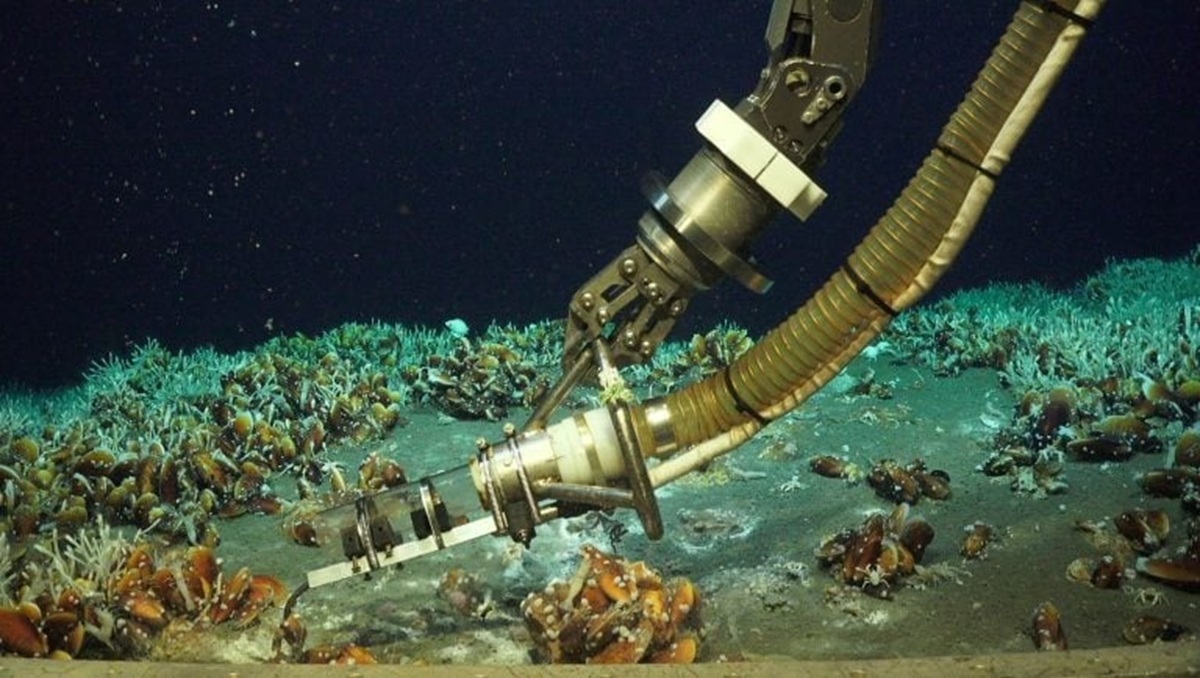
Located about 1,295 meters deep in the Western Pacific, near Papua New Guinea, the Karambusel hydrothermal field brings together, for the first time recorded, hot fluid sources and cold methane infiltrations in the same geological system, revealing dense biodiversity, traces of precious metals, and risks associated with human activity in the region
Scientists identified, in 2023, a unique hydrothermal field about 1,295 meters deep in the Western Pacific, near Lihir Island in Papua New Guinea, where hot fluids and methane-rich gases emerge together, creating unprecedented geological and biological conditions.
Unprecedented Discovery in Deep Waters of the Western Pacific
The discovery occurred off the coast of Papua New Guinea, on the slope of the Cone Submarine Mountain, near Lihir Island, approximately 1,300 meters below the surface. The site brings together two normally separate processes on the seafloor.
At the identified field, hot mineral-rich hydrothermal fluids simultaneously ascend large volumes of methane and other hydrocarbons, which seep from nearby sediments. This association had never been documented in any other known oceanic environment.
-
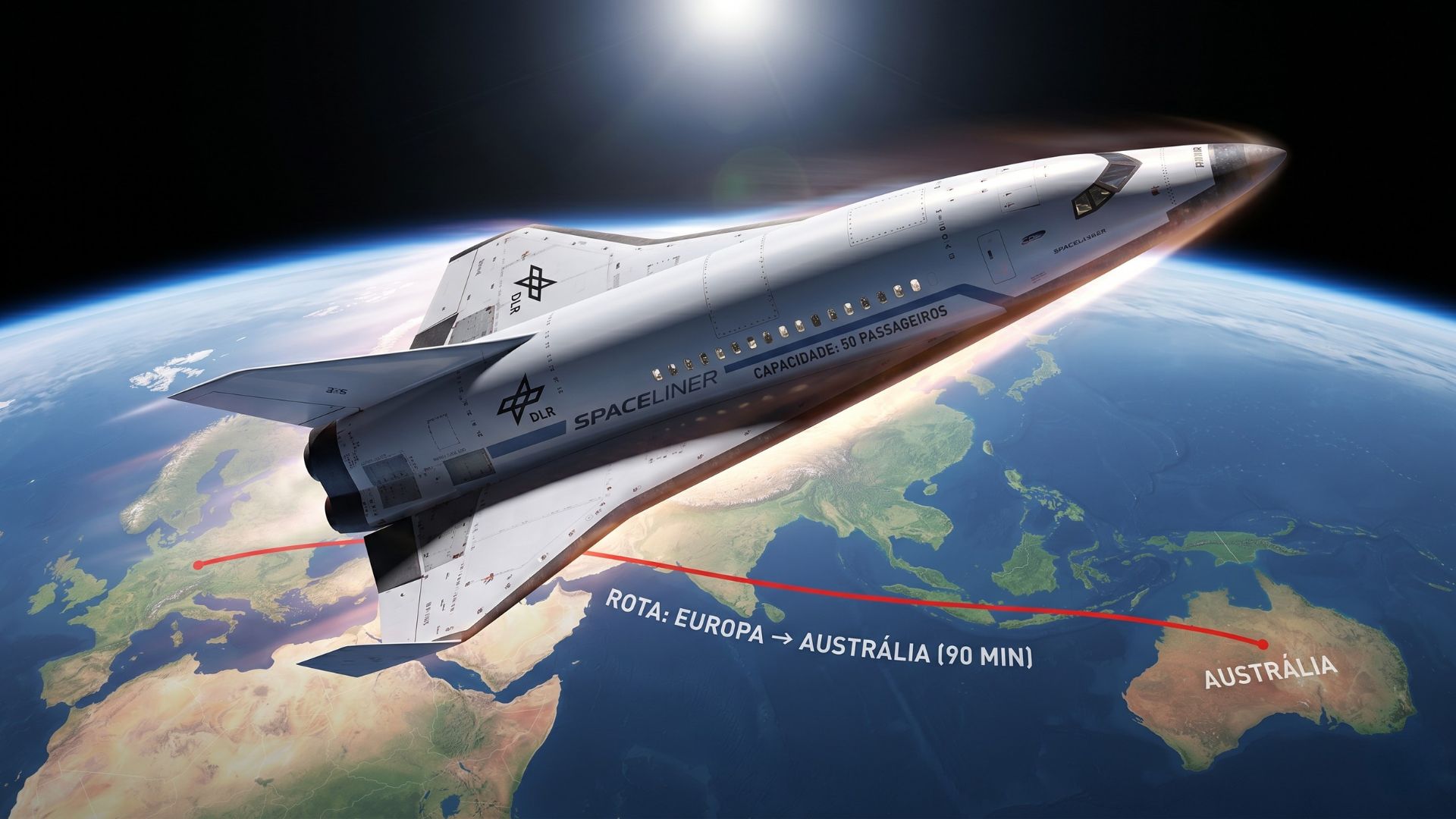
The crossing of a continent in less time than a domestic flight: Germany designs the SpaceLiner to take 50 passengers from Europe to Australia in 90 minutes, using a reusable rocket-plane that takes off like a space launcher, crosses the atmosphere in a hypersonic leap, and lands on a runway like a commercial spacecraft of the future.

-
He looks alien, and it’s on purpose: the Helios abandons the legs of common humanoid robots and gains four arms to move, anchor, and operate in zero gravity, with the promise of eventually even helping with the maintenance of satellites and structures in orbit.
-
The Japanese ship Chikyu lowered a drill six kilometers below the Pacific seabed and brought up mud laden with rare earths, in a test that could pave the way to break China’s dominance over technology metals.

-
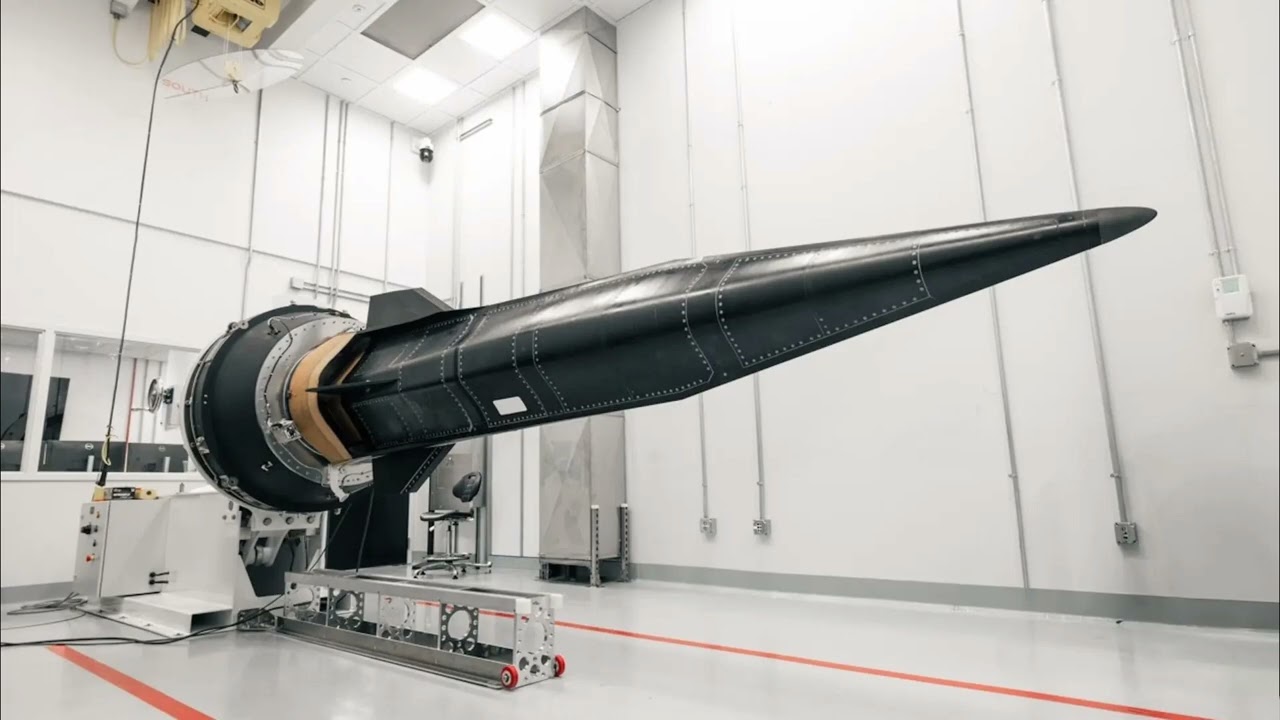
More than three times faster than the Concorde, powered by hydrogen and launched by Rocket Lab’s rocket at Mach 7, the DART AE from Australia’s Hypersonix flew with a scramjet entirely 3D printed, with no moving parts, capable of targeting Mach 12, reigniting in full hypersonic flight, and paving the way for aircraft that do not emit CO2 in propulsion.


The results of the research were recently published in the journal Scientific Reports, detailing both the geological uniqueness and the biological implications of the finding recorded during an international scientific expedition.
Scientific Expedition and the Role of the ROV Kiel 6000
The identification of the field occurred during the SONNE SO299 DYNAMET expedition, conducted in 2023 to investigate submarine volcanoes of the Tabar–Lihir–Tanga–Feni archipelago. The chief scientist was marine geologist Philipp Brandl, from the Helmholtz Centre GEOMAR for Ocean Research in Kiel.
According to Brandl, the team did not expect to find a hydrothermal field in that area, let alone a system with such unusual characteristics. Previous expeditions had indicated only limited hydrothermal activity, without revealing the complexity observed now.
The revelation was only possible with the use of the remotely operated vehicle ROV Kiel 6000. During the robot’s first dive, the distinctive features of the hydrothermal field, later named Karambusel, became visible, surprising experienced researchers who had already worked there.
A Hybrid System of Hot Fluids and Cold Gases
Hydrothermal sources and methane emissions usually occur in distinct areas of the ocean floor. However, at the Cone Submarine Mountain, these two systems share the same space, emerging just a few centimeters apart.
The explanation lies in the local geology. Thick layers of sediment rich in organic matter lie beneath the volcanic structure of the submarine mountain. The ascending magma heats these sediments, generating methane and other hydrocarbons.
At the same time, this heat source drives mineral-laden fluids from deeper layers, rising to the seafloor as hydrothermal sources. Both fluids follow the same underground channels, resulting in the simultaneous emergence of hot water and cold gas.
Hybrid Habitat and Exceptional Biodiversity
The immediate proximity between hydrothermal sources and methane infiltrations creates a completely new hybrid environment. This scenario supports an extremely diverse biological community, different from any other documented in known hydrothermal systems.
Rocks at the site are covered by dense fields of Bathymodiolus mussels, deep-sea crabs Shinkaia crosnieri, tube worms, shrimp, amphipods, and large purple sea cucumbers. In some areas, the fauna is so abundant that the underlying rock is not visible.
According to Brandl, there is strong confidence that some of the species observed have yet to be scientifically described. However, researchers emphasize that only a dedicated expedition solely focused on biology would allow for a complete study of this unique habitat.
Origin of the Name Karambusel and Local Participation
Due to the large abundance of mussels, scientists decided to name the hydrothermal field Karambusel. The choice was made in conjunction with local observer Stanis Konabe from the University of Papua New Guinea.
In the local Tok Pisin language, Karambusel means “mussel.” The name reflects one of the most striking characteristics of the site and acknowledges the involvement of researchers and observers from the region in the scientific process.
Concentrated Methane and Traces of Precious Metals
The gas composition of the Karambusel field is considered unusual. The released methane exhibits concentrations exceeding 80%, while ascending hot fluids carry minerals from the underlying magma.
Rock analyses indicate the presence of metals such as gold and silver, as well as elements like arsenic, antimony, and mercury. These traces point to a previous phase of high-temperature hydrothermal activity.
Currently, the system operates under cooler conditions, but retains chemical and geological marks from that previous stage, making the site relevant for understanding the formation of mineral deposits on the seafloor.
Human Pressures and Risks to the Ecosystem
Despite its geological and biological uniqueness, the Karambusel field faces threats from human activity. The region hosts mining operations, such as the Ladolam gold mine in Lihir.
In this area, mining tailings and waste are dumped into the sea. Additionally, there are licenses for mineral and hydrocarbon exploration on the ocean floor, increasing pressure on fragile and highly specialized ecosystems.
Researchers warn that such interventions could irreversibly compromise the newly discovered habitat before its biodiversity is fully known and documented.
Appeal for Protection and New Scientific Studies
In light of the identified risks, scientists advocate for the urgent need for more detailed studies, targeted marine spatial planning, and effective environmental protection measures for the Cone Submarine Mountain area.
For Philipp Brandl, the discovery represents a scientific heritage of high value. According to him, it is an unexpected treasure of biodiversity and geological information that needs to be protected before economic interests put it at risk.
The research reinforces the importance of exploring and understanding deep ocean environments, many of which are still poorly known but increasingly exposed to the expansion of human activities in deep waters.





-

-

-

-

-

-

52 people reacted to this.