Portuguese
  Spanish


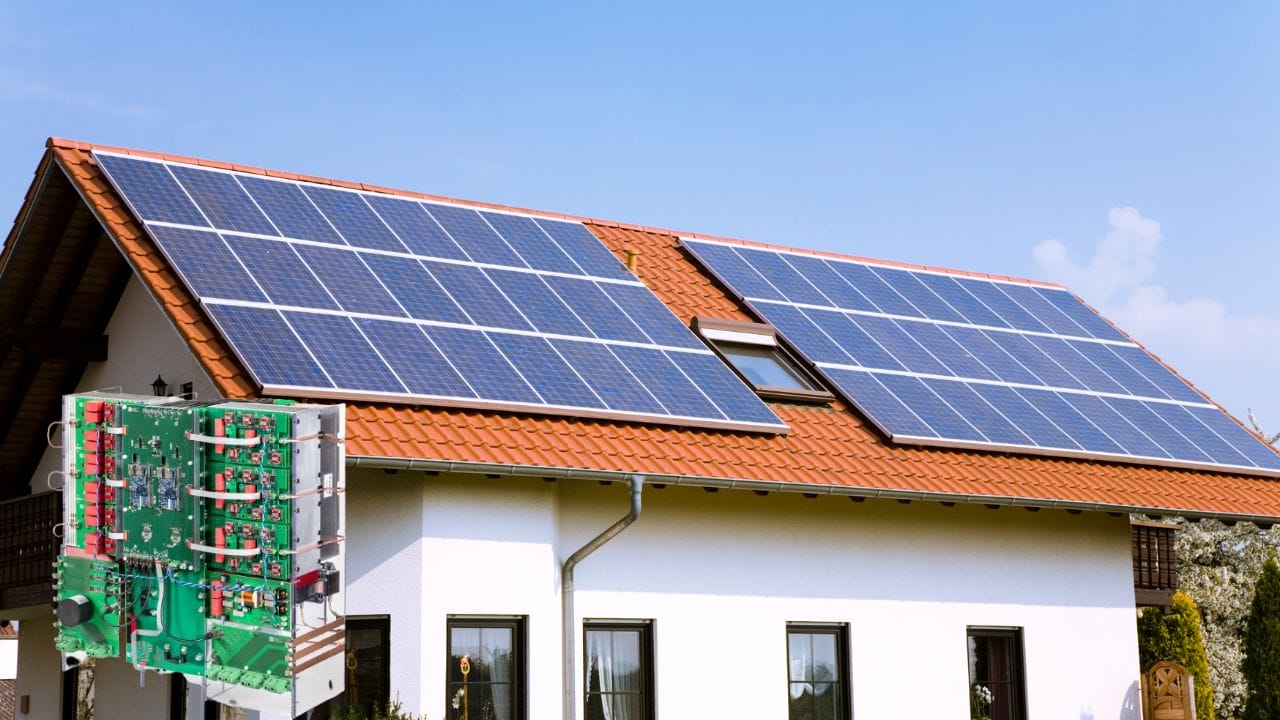

Significant Innovation in Solar Energy: The Launch of the First Medium Voltage Solar Inverter, Developed to Optimize Efficiency in Large-Scale Installations, Represents a Major Technological Advancement, Promising to Revolutionize the Sector with More Sustainable, Economical, and Effective Solutions for Harnessing Solar Energy.
Innovative discovery in the field of solar energy with the launch of a new medium voltage solar inverter, offering advanced solutions for large-scale projects and promising an era of energy efficiency and sustainability.
The world of solar energy is about to witness a revolution with the advent of the first medium voltage solar inverter, a development that promises to significantly enhance efficiency and savings in large-scale projects. This technological advancement represents a qualitative leap in the design and functionality of solar inverters, opening new horizons for the photovoltaic industry.
Features of the New Solar Inverter


Developed in Germany by the Fraunhofer Institute, the new 250 kVA inverter, known as the MS-LEIKRA project, stands out for its ability to operate at high voltages, reaching up to 1,500 volts. This feature allows for a significant reduction in copper usage for cables, resulting in substantial savings in infrastructure and installation costs.
-
Fired during apartheid and with a little borrowed money, an electrician started with a borrowed truck and transformed electrical services into a group connected to energy, real estate, and infrastructure in South Africa.

-
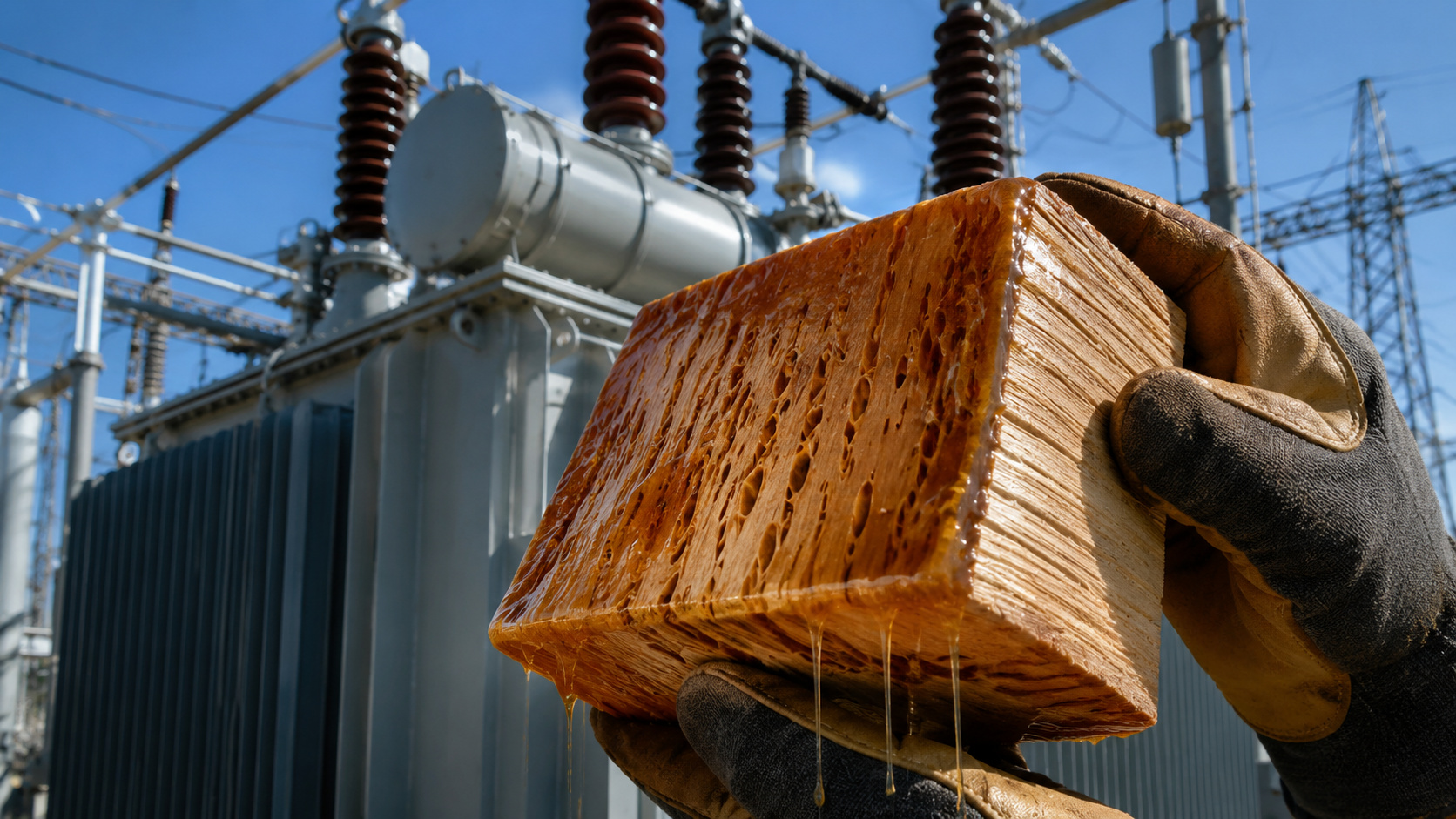
Wood has ceased to be just a construction material in Yale research and has become insulation for electrical transformers that face intense heat, aging, and increasing pressure from the renewable energy-powered grid.
-
More than 1,000 residents of a remote island in Kiribati now have clean water and electricity with solar systems operated by the community itself.
-
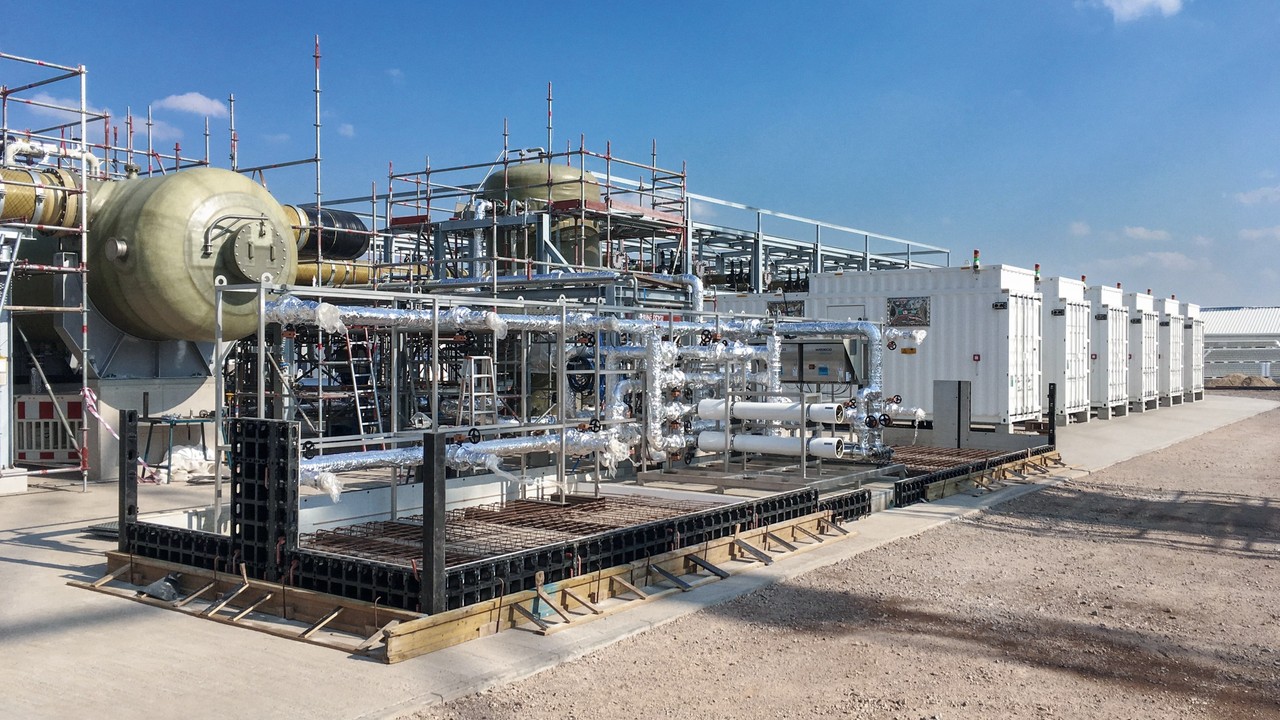
Ceará brings together 7 giants and R$ 66 billion to transform Pecém into the largest green hydrogen hub in Brazil, with final decisions expected by the end of 2026.



In addition to the high output voltage, the inverter incorporates silicon carbide semiconductors, optimizing performance and efficiency. The reduction in the need for materials like aluminum, through an advanced cooling system, complements the innovations that make this inverter a promising solution for the solar industry.
Applications and Market Potential in the Solar Energy Sector
The application potential of the new solar inverter goes beyond photovoltaic plants, also encompassing wind energy projects, electric mobility, and industrial uses. With the proven capacity to connect to medium voltage networks and inject energy efficiently, the inverter is ready to be tested and implemented on a large scale.
The introduction of the new medium voltage solar inverter represents a milestone in the journey towards a more sustainable and efficient energy matrix. With advanced technical capabilities and significant economic benefits, this inverter not only expands the possibilities for large-scale photovoltaic projects but also redefines standards of efficiency and innovation in the solar energy sector.
But, What Are the Types of Solar Inverters?
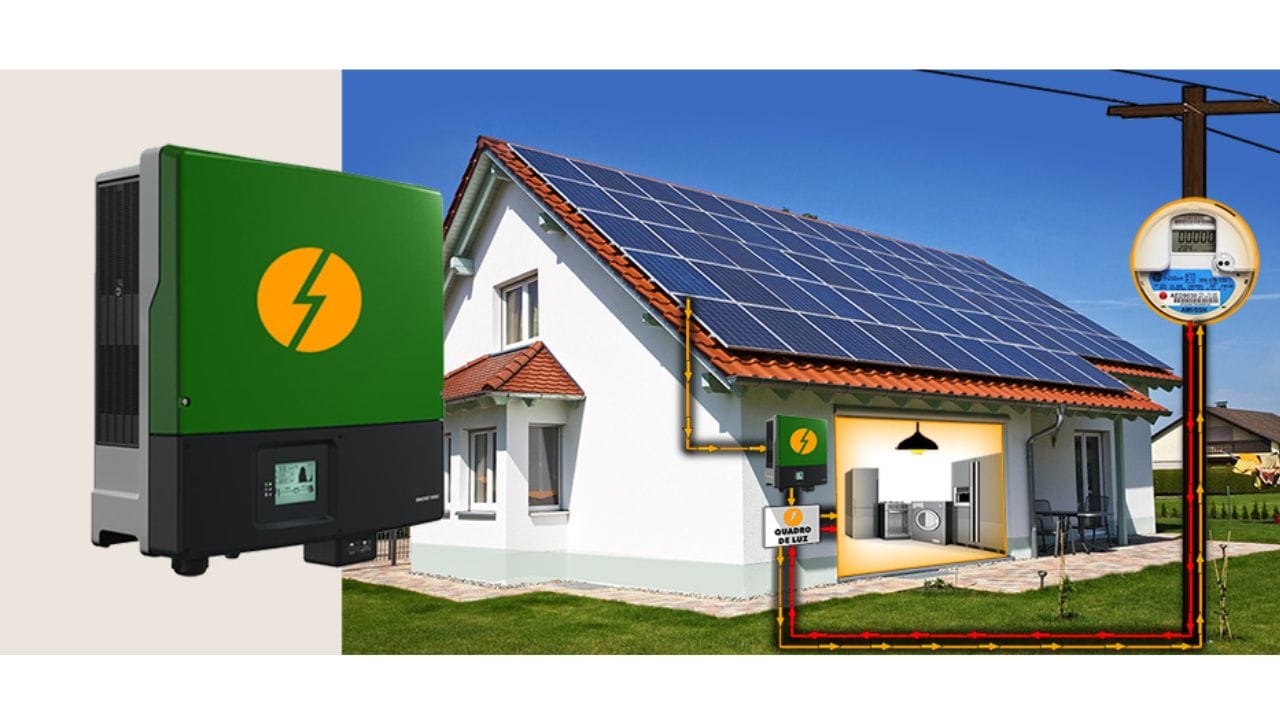
The solar inverter is an essential component in photovoltaic solar energy systems, playing the critical role of converting direct current (DC) produced by solar panels into alternating current (AC), compatible with the electrical grid and household devices. This conversion is fundamental for the effective integration of solar energy into existing electrical infrastructures, allowing for everyday use in homes and businesses.
The technology of solar inverters has evolved to meet the diverse needs and specifics of photovoltaic systems:
- Grid-Tie Solar Inverter: Ideal for grid-connected systems, allowing not only the consumption of the generated solar energy but also the sending of excess energy back to the grid, generating credits or compensations.
- Off-Grid Solar Inverter: Used in remote locations, works with batteries for energy storage, ensuring a continuous supply regardless of solar availability.
- Microinverter: Adapts to each solar panel, maximizing individual efficiency, especially useful in areas with partial shading or smaller installations.
- Hybrid Inverter: Versatile, operates both in grid-connected mode and independently, controlling the flow of energy to and from the batteries, optimizing the use of generated energy.
Selection and Advantages of the Solar Inverter
The choice of the appropriate inverter is determined by the type of solar installation, capacity and efficiency requirements, and specific site conditions. High-quality inverters ensure optimal performance of the solar system, with advantages such as accurate energy production monitoring and enhanced system safety.
To install a solar inverter, it is crucial to select a location that avoids excessive exposure to sunlight and moisture, ensuring protection and efficiency. In residences, it is recommended to be close to the electrical panels, while in larger projects, dedicated areas are preferable to facilitate management and maintenance.