






 Portuguese
  Spanish


New Inscriptions and Workers’ Tombs Reveal That the Great Pyramid Was Built by Paid Workers, Not Slaves, as Previously Thought.
Archaeologists have found inscriptions and tombs that point to a new version of who built the Great Pyramid of Giza.
Contrary to popular belief, the workers responsible for the construction were not slaves, but rather skilled and paid laborers. The new discoveries shed light on one of the largest structures ever erected by humankind.
Revealing Inscriptions Inside the Pyramid
The team led by Egyptologist Dr. Zahi Hawass used imaging technology to explore narrow chambers above the so-called King’s Chamber.
-
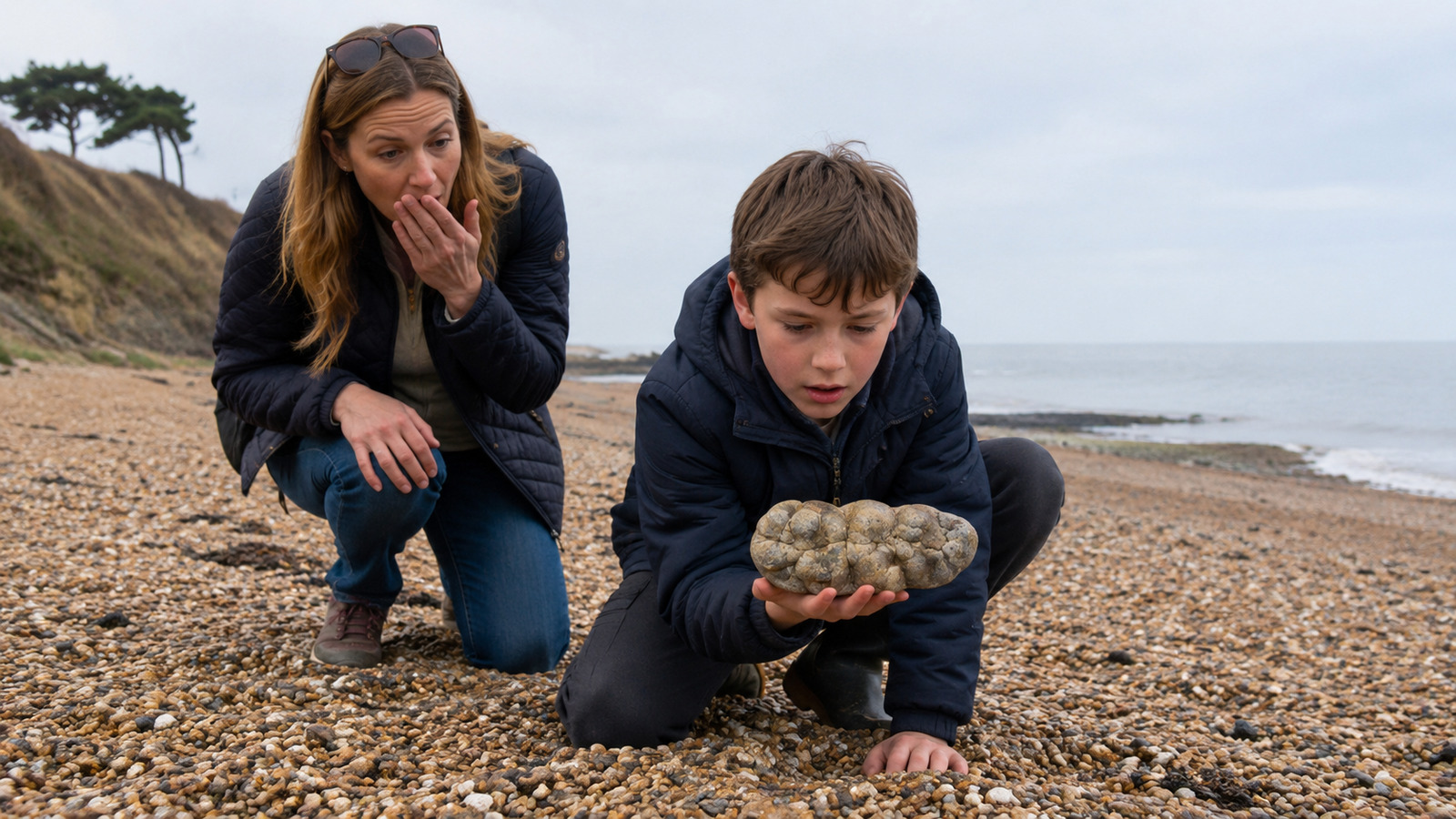
11-Year-Old Boy and His Mother Discover 1.8-Million-Year-Old Elephant Tooth on English Beach Eroded by the Sea

-
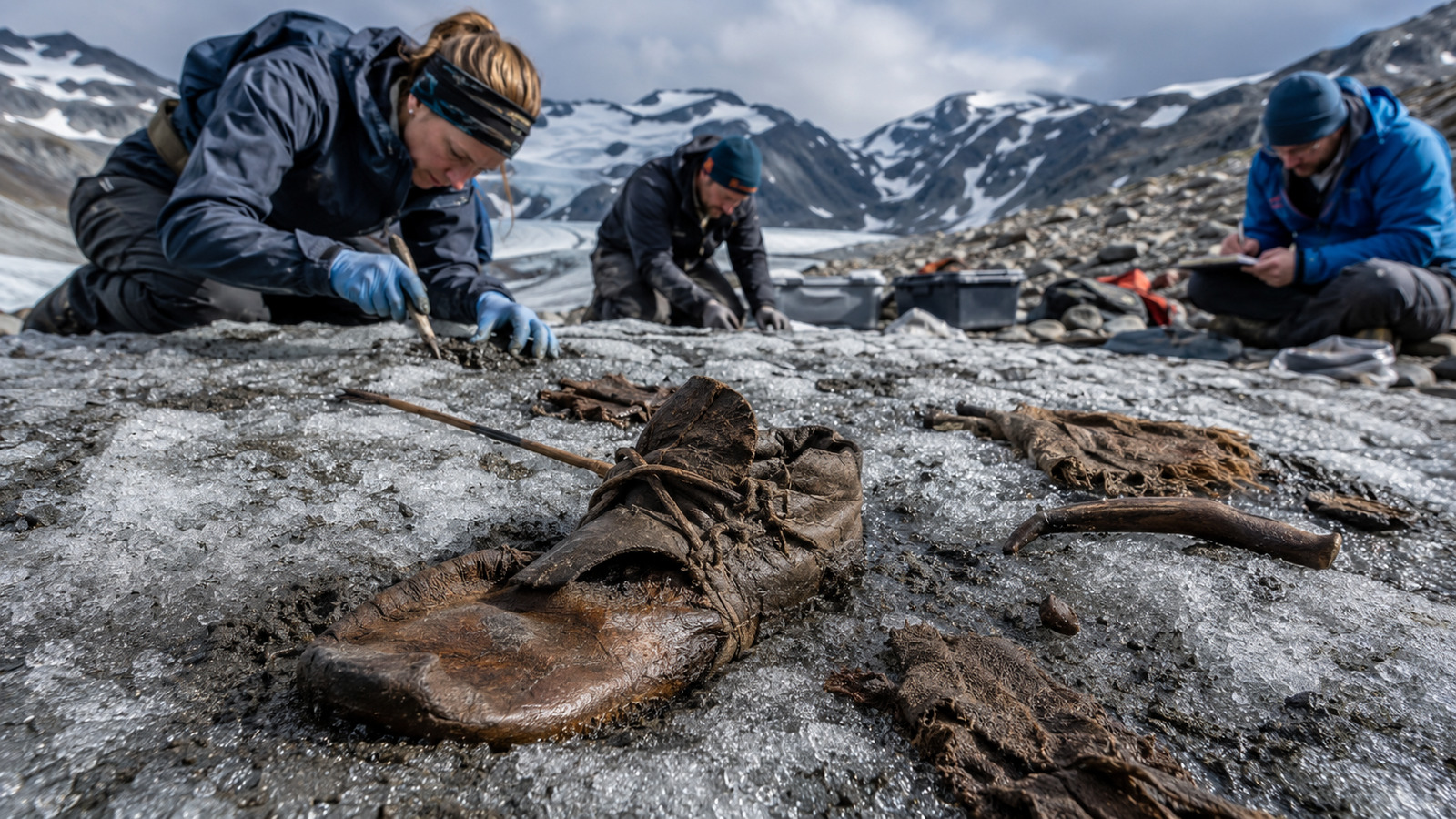
3,400-Year-Old Leather Shoe Found in Melting Norwegian Ice Leads to Discovery of 4,500 Artifacts, Including Clothing, Arrows, Skis, and Tools
-
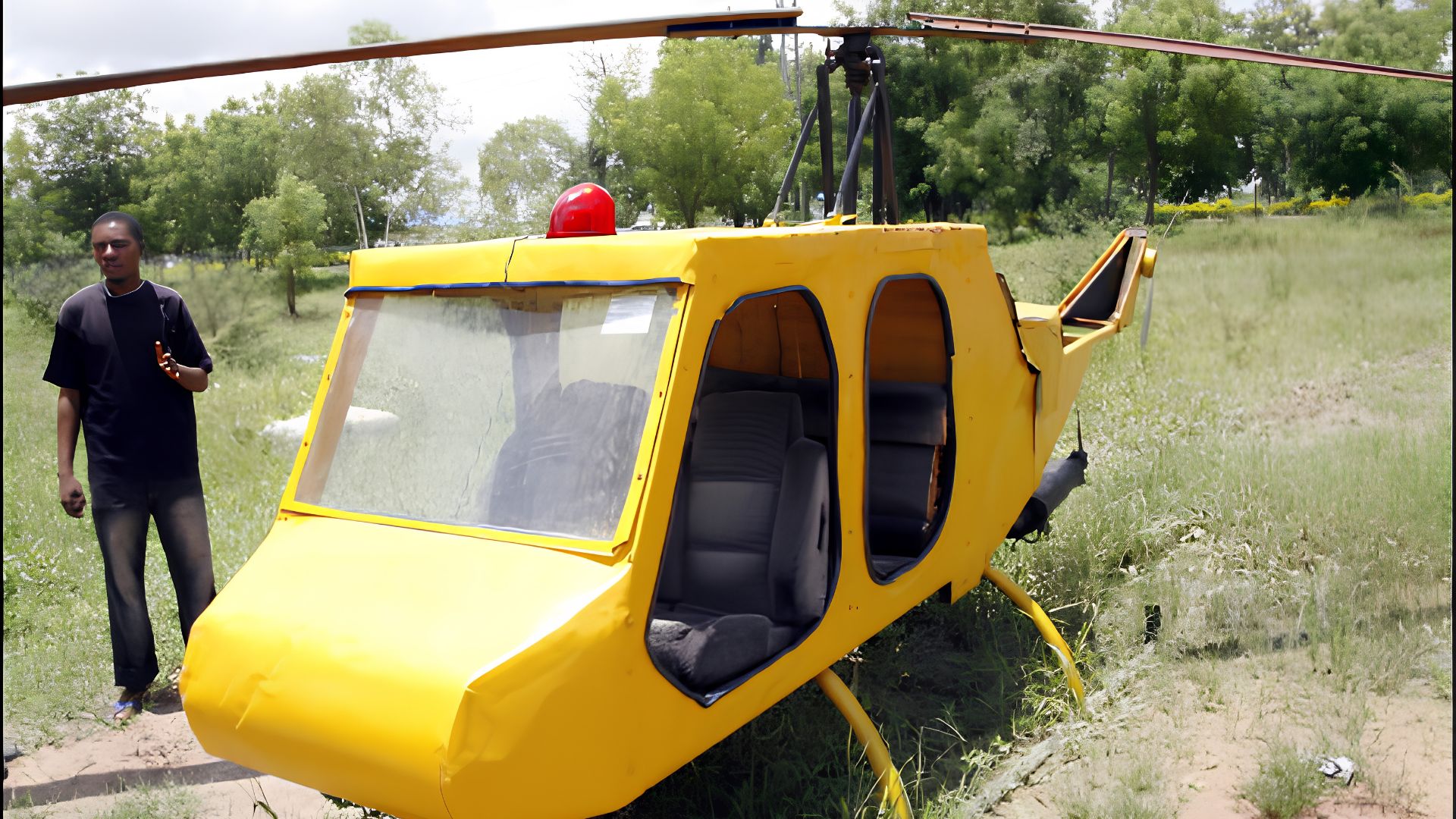
Nigerian Student Builds 12-Meter Helicopter from Salvaged Parts, Including Boeing 747, in Backyard Without Engineering Degree

-
Digital Transformation Essential in Energy, Oil, and Gas Industries, But IT Infrastructure Often Overlooked

In these hard-to-reach spaces, ancient inscriptions were found left by workers from the 13th century B.C.
The markings confirm that the builders operated in organized groups and received payment. They worked continuously, with one day off every 10 days.
According to Dr. Hawass, the names found on the stones are original graffiti from ancient Egyptian workers, impossible to have been forged in modern times.
The difficulty of access and the writing style prove the authenticity. “It is almost impossible for anyone to have forged this today, ” he stated.
Tombs and Tools of Workers Near the Pyramid
Another important discovery was made south of the pyramid. Workers’ tombs revealed statues and 21 hieroglyphic titles, such as “supervisor of the side of the pyramid” and “artisan”.
Tools like sharpening stones and flint instruments were found in the tombs.
Dr. Hawass emphasized that these tombs show that the workers were respected. “If they were slaves, they would not have been buried in the shadow of the pyramid,” he declared.
The burials followed traditions similar to those of the kings and queens of Ancient Egypt.
How the Stones Were Transported
The investigations also revealed details of the construction method. The base of the pyramid was carved directly into the rock, 8.5 meters deep.
From this foundation, the sides were shaped to form a leveled platform. Part of this original structure can still be seen on the southern side of the Pyramid of Khufu.
To move the stones, the workers used wooden sledges over the sand.
The rocks came from a quarry located just 300 meters from the pyramid. A ramp connected the quarry to the monument. Remains of this structure were found in the southwest area, mixed with sand and mud.
Workers’ City Discovered on Site
Mark Lehner, a colleague of Hawass, is excavating an area east of the pyramid. The site is being called the “workers’ city”.
Facilities for salting fish, a bakery, barracks, and housing have been discovered. This dismantles another common idea: that the workers lived in poor conditions.
Hawass reported that thousands of animal bones were found at the site. An analysis conducted by a specialist from the University of Chicago concluded that the workers consumed 11 cows and 33 goats per day. “This diet was sufficient to feed 10,000 people daily,” he explained.
Robot Will Be Sent Inside the Great Void
The next step in the research will be the exploration of the so-called Great Void, located above the Grand Gallery, a central area inside the pyramid.
The cavity, discovered in 2017, is at least 30 meters long and has yet to be physically explored.
Podcaster Matt Beall is funding the project and explained that a miniature robot, less than a centimeter, will be sent through a small lateral hole.
The goal is to investigate the interior of the void without damaging the structure. Dr. Hawass hopes to find the lost tomb of Pharaoh Khufu, but Beall is skeptical. He argues that no pharaoh has been discovered in pyramids of this type to date.
Debate on Possible Ancient Forgeries
During the podcast, Beall recalled that inscriptions inside the pyramid were already found in the 19th century. Some of them were questioned, suspected of having been forged by European visitors.
Hawass acknowledged that modern names were indeed recorded on the stone during the 18th and 19th centuries.
However, he assures that the recently discovered inscriptions are much older. They were made by Egyptians and have characteristics that only specialists can interpret.
The remote location and the writing style reinforce the authenticity. “They are marks from the true builders,” he stated.
Historical Exploration Will Be Conducted Soon
The excavation of the Great Void is scheduled to take place between January and February next year. It will be the first time a modern mission attempts to physically access this still mysterious part of the pyramid.
The project is seen as a unique opportunity to reveal more secrets about the construction. The team believes this new phase could provide definitive answers about the purpose of some internal structures.
Whether or not it is the site of a lost tomb, the Great Void represents the next frontier of Egyptian archaeology.
With new authentic inscriptions, preserved workers’ tombs, and clear evidence of stone transport methods, researchers assert that the idea that the Great Pyramid was built by slaves is definitively debunked.
Now, for the first time in centuries, the world is coming closer to understanding how one of the greatest monuments in history was truly constructed.






Transportar monolitos que pesavam 10 toneladas por trenós na areia ???? Queria ver isso kkkkk.