






 Portuguese
  Spanish
  3 min of reading
  8 comments


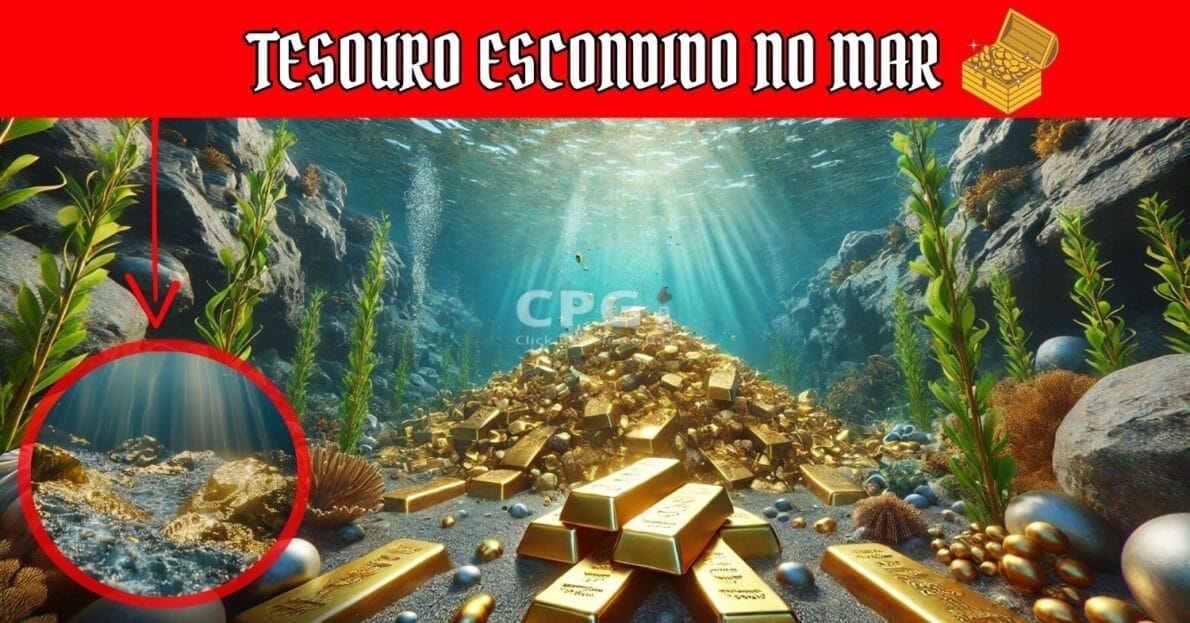

Research Reveals That It Is Possible to Find High-Purity Gold Veins Hidden at the Bottom of the Sea. A Fascinating Discovery That Could Revolutionize Gold Mining and Exploration.
Who would have thought that seawater, besides being a source of life, could be directly linked to gold formation? That’s right, a recent study from McGill University brought to light a surprising revelation: seawater plays a crucial role in gold formation. Yes, you read that right! We are talking about that precious gold that everyone wants, and it may be forming with a little help from the ocean. But how is this possible? Let’s explore together this fascinating discovery that could revolutionize gold mining and exploration.
The Research at the Brucejack Deposit
The researchers focused their analyses on the Brucejack gold deposit, located in British Columbia, Canada. This place is already known for its high concentration of gold, and that’s where the magic happened. By analyzing soil samples, scientists discovered that sodium ions present in seawater play a fundamental role in the agglomeration of gold nanoparticles. These nanoparticles, in turn, form high-concentration gold veins.
The big breakthrough lies in the sodium ions. They act like a kind of glue, binding the gold nanoparticles together and allowing the formation of deposits. This discovery is a true game changer, as it suggests that gold may be forming in underwater locations in ways that we do not yet fully understand. Just imagine, gold mines hidden at the bottom of the sea, waiting to be discovered!
-
Apple and Tesla on Alert After Cyberattack on Indian Supplier Exposes Over 200,000 Confidential Files, Industrial Projects, Employee Data, and Potential Trade Secrets on the Dark Web

-
In the Atacama Desert, a Tropical Oasis with Pool and Palm Trees Hosts Astronomers Studying the Universe

-
São Paulo Unveils 500 Electric Buses with $1.3 Billion Investment, Aiming to Cut 20 Million Liters of Diesel Annually and Showcase Clean Mobility

-
Robot Works 900 Hours to Build World’s Tallest 3D-Printed Concrete Tower, 30 Meters High, in Swiss Village of 12 Residents


Discovery at the Bottom of the Sea May Solve the Environmental Problem of Traditional Mining
One of the most exciting points about this discovery is the potential for a positive environmental impact. Traditional mining can be extremely harmful to the environment, causing deforestation, pollution of rivers and soils, and the use of toxic chemicals.
However, if we can explore these underwater deposits sustainably, we may drastically reduce these negative impacts. Of course, underwater mining still presents its challenges, but this discovery opens up new possibilities for less invasive and more environmentally friendly exploration techniques.
Research Points to Possible Unexplored Locations Where Gold Deposits May Be Hidden
This research not only reveals a new method of forming the precious metal but also points to possible unexplored locations where gold deposits may be hidden. Gold exploration at the bottom of the sea could be a completely new frontier for mining, with advanced technologies enabling us to reach these hidden treasures efficiently and sustainably.
With advances in technology and continuous innovation, it is only a matter of time before we can explore these underwater deposits practically and economically. The discovery that seawater plays a role in gold formation may very well be the first step on this exciting journey.
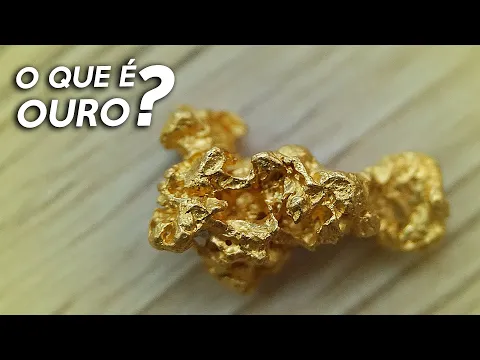

Gold and Seawater
Seawater is not only a vital resource for life on Earth, but it can also be an essential component in the formation of one of the planet’s most valuable minerals: gold. With sodium ions acting as catalysts in the agglomeration of gold nanoparticles, we have a new understanding of how these deposits are formed.
“The results of our study indicate that it is possible to find high-purity gold veins more easily in underwater environments. With the increasing interest in exploring submarine mineral resources, our research points to the possibility that the oceanic crust may house abundant amounts of essential minerals for energy transition, on a previously unexplored scale,” explained co-author of the research Anthony Williams-Jones, Professor of Geology and Geochemistry in the Department of Earth and Planetary Sciences at McGill.
As we continue to explore the depths of the oceans, who knows how many more secrets are waiting to be discovered? Stay tuned, because this discovery may just be the beginning of a new era in gold mining.


Destroem a Superfície,, animais e.florestas.e.agora querem destruir os oceanos,,, essas **** de Empresas estrangeiras entram No Brasil destroem todo o nosso ECOSSISTEMA, levam as Riquezas **** e deixam para Traz um rastro gigantesco de DESTRUIÇÃO,,,, isso têm que acabar….
Verdade verdadeira concordo
Se o ser humano começar a escavar o oceano em busca de ouro nas profundezas, diversos danos ambientais podem ocorrer:Destruição de Habitats Marinhos: A escavação pode destruir habitats únicos e frágeis que sustentam uma variedade de espécies marinhas.Poluição: A operação de mineração pode liberar sedimentos e substâncias tóxicas, como metais pesados, no oceano, contaminando a água e prejudicando a vida marinha.Ruído Subaquático: As máquinas de mineração geram ruído intenso, que pode desorientar e estressar mamíferos marinhos, como baleias e golfinhos, afetando suas habilidades de navegação e comunicação.Distúrbios nos Ecossistemas: A remoção de materiais do fundo do mar pode alterar as correntes oceânicas e os ciclos biogeoquímicos, afetando a distribuição de nutrientes e a dinâmica dos ecossistemas marinhos.Impacto na Biodiversidade: Muitas espécies marinhas dependem de habitats específicos que podem ser destruídos pela mineração, levando à perda de biodiversidade e potencial extinção de espécies.Acidificação do Oceano: A perturbação dos sedimentos pode liberar dióxido de carbono armazenado, contribuindo para a acidificação do oceano, que já é um problema crescente devido às emissões de CO2.Esses impactos podem ter efeitos de longo prazo sobre a saúde dos oceanos e dos ecossistemas marinhos, com consequências negativas para a pesca, a biodiversidade e a estabilidade climática global.
José Antônio Vasconcelos de Oliveira