






 4 min of reading
  0 comments


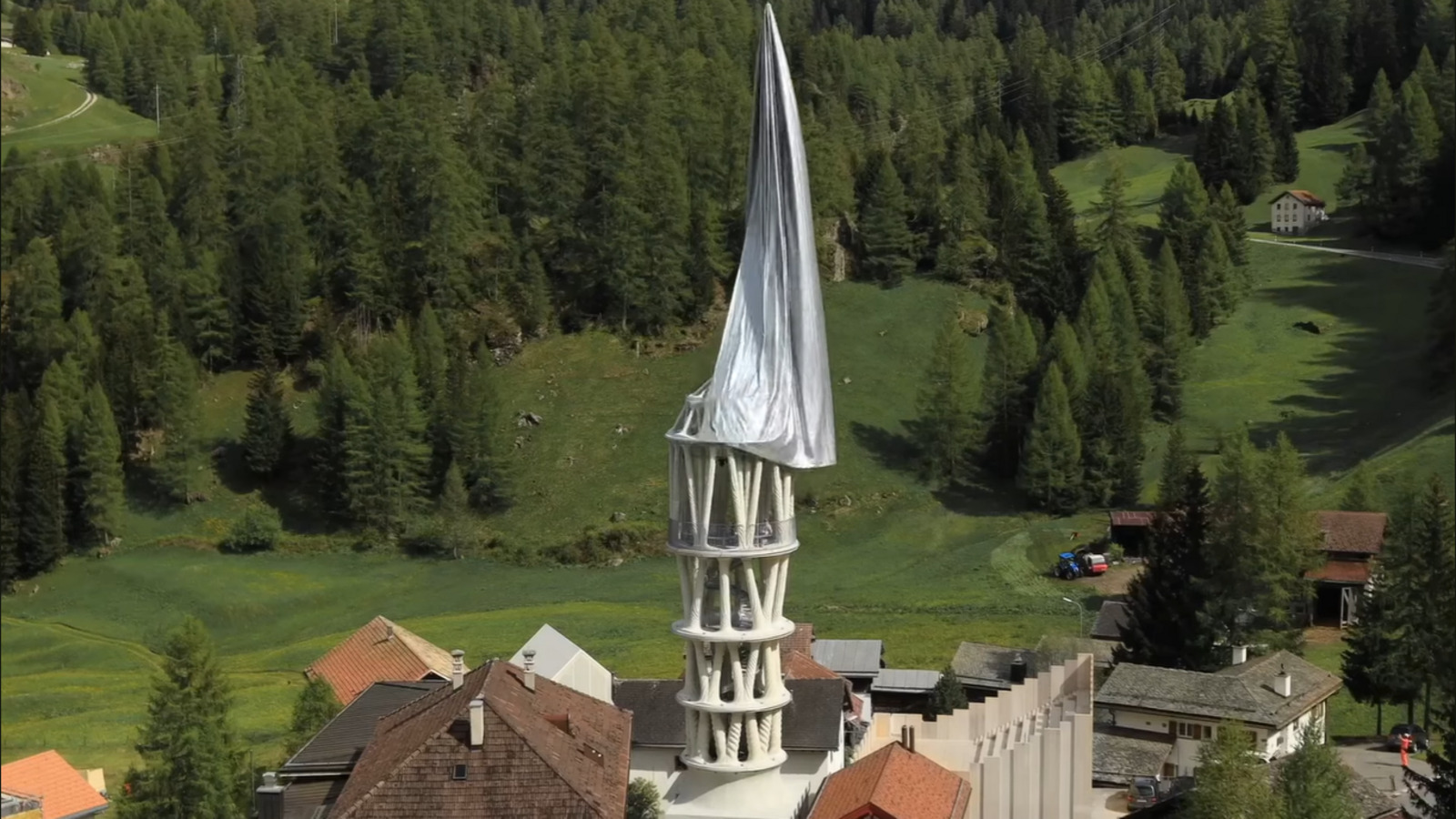
Inaugurated in Mulegns, Switzerland, the tower brings together 32 concrete columns, integrated steel reinforcement, 2,500 printed layers, and a modular system designed to allow disassembly, transport, and reconstruction in another location
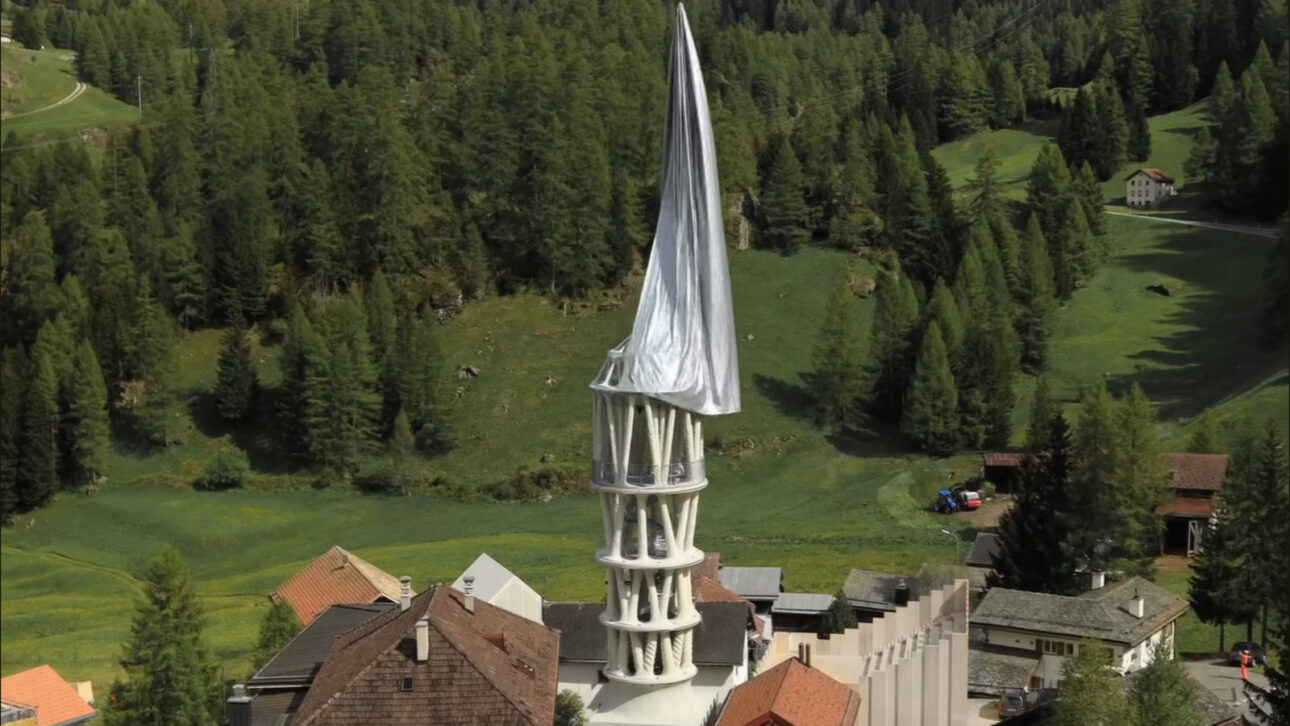
The Tor Alva, a 3D tower inaugurated in May 2025 in the Swiss village of Mulegns, has become the tallest 3D-printed building in the world. Standing at 30 meters with a structure distributed over several floors, the tower was produced by a robot, received steel reinforcement during printing, and can be dismantled after about five years.


The project was developed by the cultural foundation Nova Fundaziun Origen in partnership with ETH Zurich.
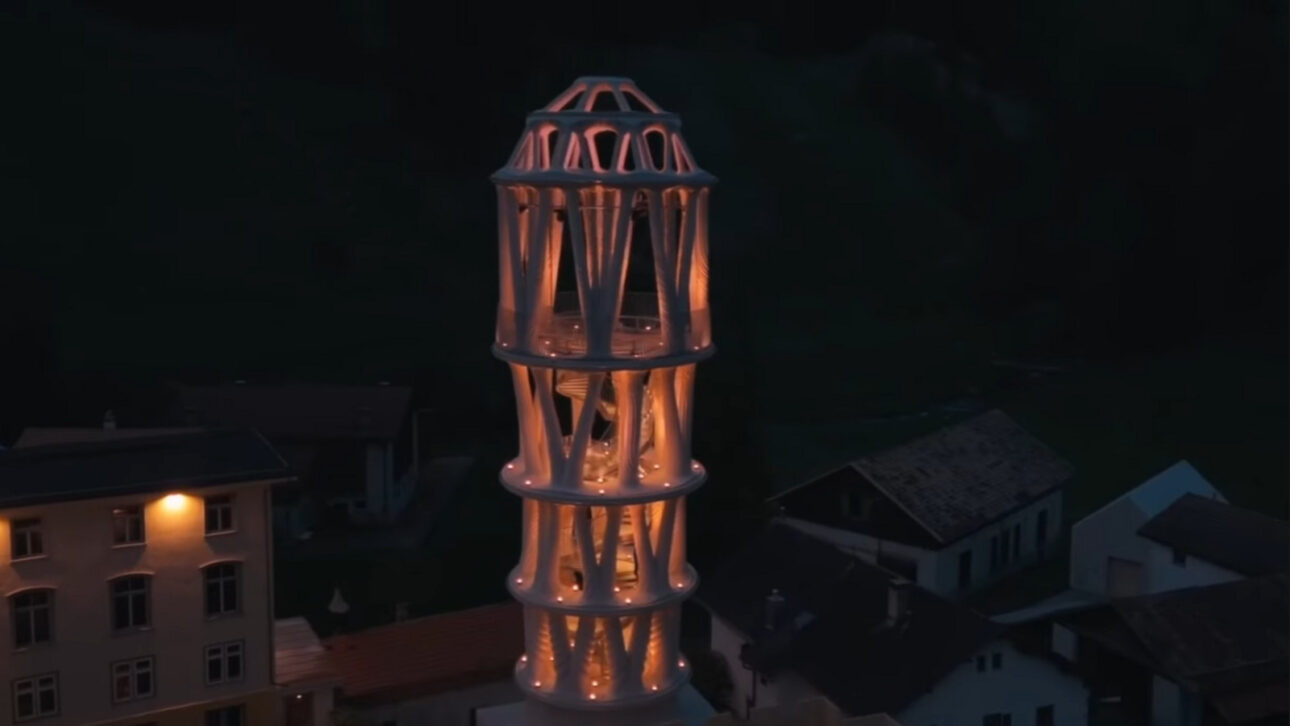
The construction of the 3D Tower brings together 32 white columns, formed by layers of concrete, and ends in a vaulted space used as a theater above the rooftops of the small alpine village.
-
Brazilian Nuclear Science Uses Advanced Techniques to Combat Microplastics in Waterways and Food, Paving the Way for Innovative Environmental Solutions

-
German Collector Discovers New Mineral in Ancient Mine, Named After Him
-
Elon Musk Plans $25 Billion Chip Factory with SpaceX and xAI at Tesla’s Massive Texas Site, Visible from Space

-
Brazilian Innovator Marcelo Loureiro Sets Guinness World Record with 12,000 km Robotic Surgery from Brazil to Kuwait


The organic shapes of the columns resemble confectionery work. The design references the history of the region’s confectioners while demonstrating the level of ornamentation possible with digital fabrication.
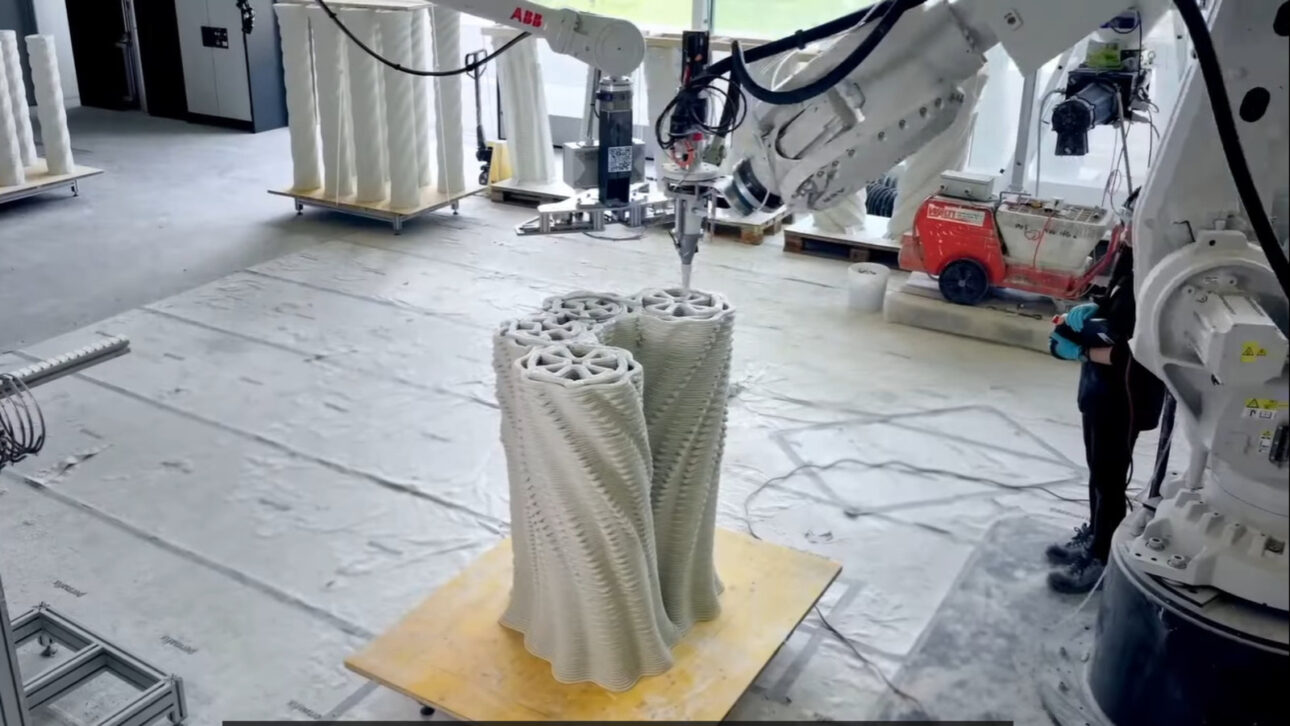
3D Tower was printed in 2,500 layers of concrete
The fabrication of the columns took place on the ETH Zurich campus over five months. An industrial robot deposited approximately 2,500 layers of concrete, in a process that consumed about 900 hours of printing.
Each layer is 10 millimeters high and between 15 and 20 millimeters wide. The material was extruded directly by the equipment, eliminating the need for the molds traditionally used to define the shape of the concrete.
The mixture also needed to be specially developed for the project. The concrete had to harden at the right speed, supporting the new layers without preventing the robot from continuing the printing.
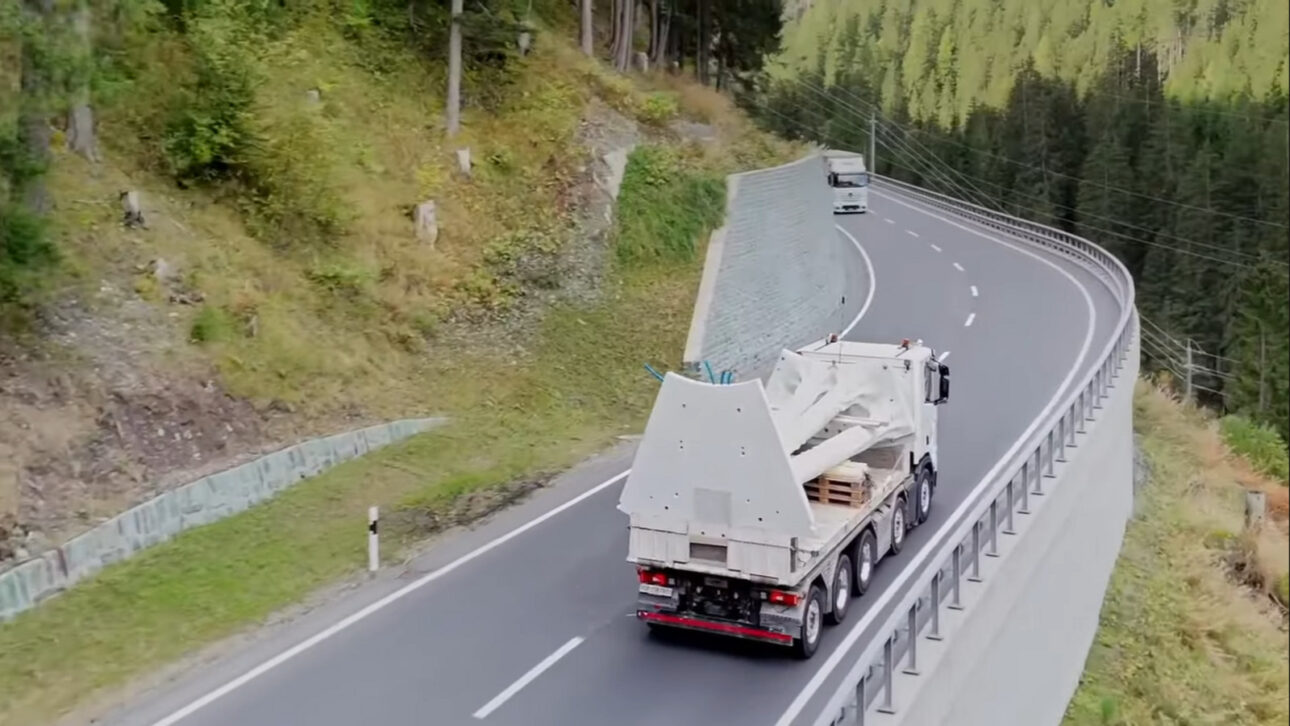
Once completed, the columns were transported to Mulegns. On-site, the components were assembled on top of a historic building constructed in the 19th century.
Algorithms defined shape, texture, and resistance
The tower was designed by architects Michael Hansmeyer and Benjamin Dillenburger, associated with computational design.
Instead of drawing each detail separately, the team used parametric algorithms to generate the construction.
The system simultaneously calculated the shape, texture, ornamentation, and structural behavior of the elements. This allowed for the creation of complex sculptural surfaces without producing specific handcrafted molds for each column.
In conventional construction, details of this scale would require elaborate and costly molds. With 3D printing, an ornate surface can be produced using the same process used to print a smooth surface.
Integrated reinforcement makes concrete fully structural
The main advancement of the 3D Tower is not just in its 30 meters. According to the ETH Zurich Digital Building Technologies laboratory, it is the first multi-story building with fully structural and reinforced 3D printed concrete.
Previous projects faced a limitation: without integrated steel reinforcement, the printed concrete could form walls but not fully support vertical buildings with multiple floors on its own.
The team developed a system that automatically incorporates steel reinforcement during printing.
The elements also received prestressing, a technique used to improve the structural behavior of the pieces.
According to the laboratory, the set exhibits mechanical behavior equivalent to conventional concrete.
The method allows for the production of vertical structures with thinner walls, better material utilization, and reduction of waste generated by molds.
Tower will remain five years in Mulegns
The construction was planned to remain approximately five years in the village. After this period, its components can be dismantled, transported, and reassembled in another location.
The modular system preserves the parts and applies the concept of a circular building to the construction. Instead of demolishing the tower at the end of its use, the project foresees the reuse of its structure.
During its stay in Mulegns, the Tor Alva is expected to receive visitors and cultural presentations in the theater installed at its top.
The initiative also seeks to draw attention to a village that today has little more than a dozen residents and several empty houses.
This article was prepared based on the information provided about the Nova Fundaziun Origen, ETH Zurich, and the Digital Building Technologies laboratory, with data, numbers, and statements preserved as per the consulted material.


Be the first to react!