






 Portuguese
  Spanish


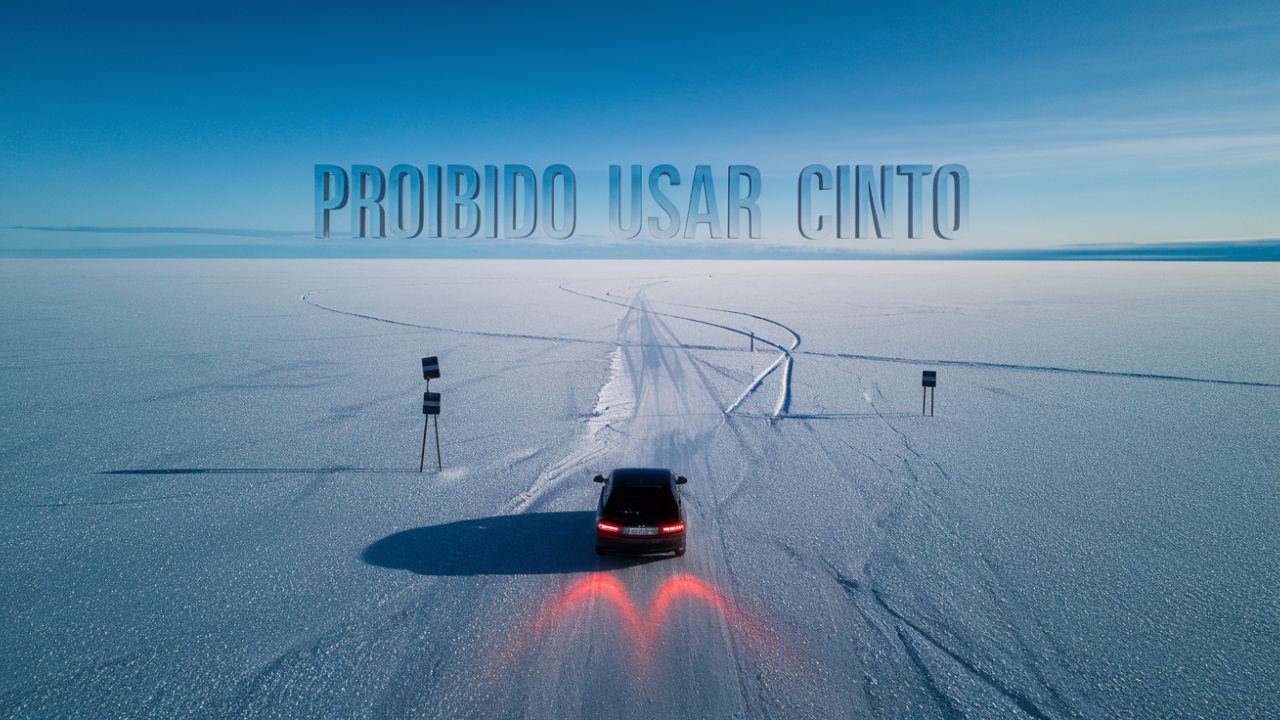


With 27 kilometers of extension over the frozen Baltic Sea, this unique road in Estonia defies logic: it prohibits the use of seat belts, requires specific speeds, and can only be crossed during the day.
Imagine driving on a road where asphalt is replaced by pure ice, with the sea lurking below and no seat belt allowed. This is the reality in Estonia. Known as the largest ice road in Europe, it connects the port of Rohuküla to the island of Hiiumaa in a freezing stretch of approximately 27 kilometers.
Driving on this road is as exciting as it is challenging, with unique rules that instantly intrigue anyone. For example: using a seat belt is prohibited! It seems counterintuitive, but there is an explanation.
What Is the Ice Road of Estonia?

This highway is not made of concrete or asphalt, but rather the frozen Baltic Sea. Formed between late January and March, when the ice reaches a safe thickness, the road offers a vital connection between the mainland and the island of Hiiumaa.
-
Turbocharged Engines with Direct Injection: Why High-Performance Engines Over 130 HP/Liter and Turbines at 200,000 RPM Challenge Durability

-
Chevrolet’s Parent Company to Invest Billions in Brazil to Modernize Factories, Update Cars, and Accelerate Hybrid Launch by 2028

-
Practical Driving Tests in Brazil Surge by 23.5%, Exceeding 2.2 Million by 2026, as New Rules Make the Process Cheaper and Simpler
-
Brazil’s Lula Government Allocates $463 Million Quota for Electric Car Parts, Waives Import Tax Until December, Sparking Competition Among BYD, Automakers, and Unions as Consumers Question Impact on Prices and Local Industry


Although it seems like something out of a frozen tale, the road is a real phenomenon that combines necessity and adventure. Each harsh winter, locals and tourists have the chance to traverse a route that literally floats over the frozen sea.
Why Is Using a Seat Belt Illegal on This Road?
Now you might be wondering: why ban something as basic as a seat belt? The answer is simple: safety in emergencies. If the ice gives way (something rare, but not impossible), getting out of the vehicle quickly could make the difference between life and death.
This rule seems to go against everything we have learned about traffic safety, but it makes total sense when you consider the scenario. It is one of the peculiarities that makes this road so fascinating.
The Strict Rules for Driving on Ice
When it comes to driving on ice, it’s not just the seat belt that has different rules. Drivers must follow extremely strict guidelines to avoid accidents or compromise the ice’s structure.
Controlled Speed: Driving below 16 mph or between 25 and 43 mph is mandatory to avoid creating resonance waves beneath the ice. This phenomenon can literally break the road.
Distance Between Vehicles: It is essential to keep intervals of at least three minutes between cars to reduce the concentrated weight on the ice.
Daytime Only: The road operates only during the day, when visibility is greater and the ice is more stable.
Local patrols ensure that no one disobeys these rules, monitoring drivers and crossing times.
A Unique and Exciting Experience
If you are an adrenaline fan, driving on this road is a thrill, especially since you cannot wear a seat belt. Imagining that you are literally floating over the Baltic Sea is a unique sensation. Cars of different sizes, from trucks to small Fiat 500s, are seen crossing this winter route.
However, this experience is not just fun. It is a test of patience, caution, and respect for the laws. A small mistake can turn this adventure into a nightmare. Therefore, it is essential to follow the rules and stay focused on safety.


Aqui nao ia funcionar nunca.. tres minutos.. ia ter cara collado ou tentando ultrapassar ou dando cavalo de ****.