






 Portuguese
  Spanish


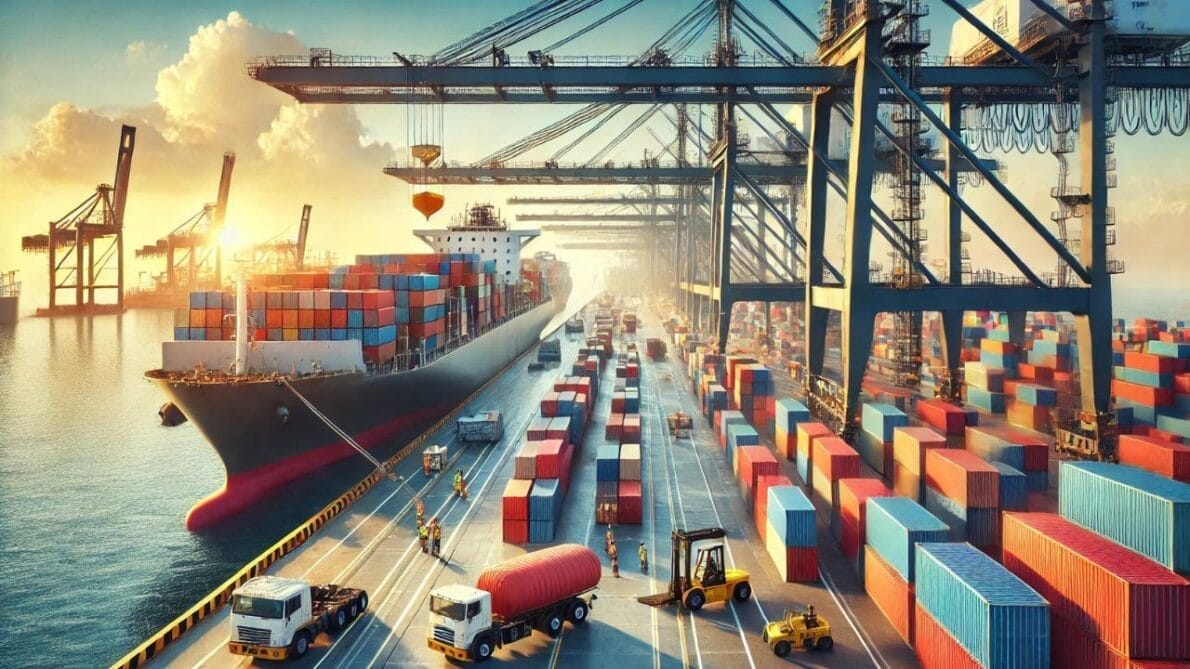
Have You Stopped to Think About How Port Operations Work? Those Huge Ships, Giant Cranes, and Thousands of Stacked Containers Play a Crucial Role in Our Day-to-Day.
Before containerization, ships carried various small cargoes, which made the process slow and disorganized. But with the arrival of containers, everything changed! The cargo is organized and classified before loading, allowing for much greater efficiency in ports and port operations. This enables ships to load and unload their cargo much faster and in an orderly manner.
Containers are stacked on ships like LEGO pieces, starting from the base. The cargo holds, where they are stored, can be up to 40 meters deep. After filling the hold, a lid is placed on top to allow for additional loading on the deck. The containers on the upper deck need extra tie-downs to ensure safety during the journey.
Technologies and Equipment in Port Operations
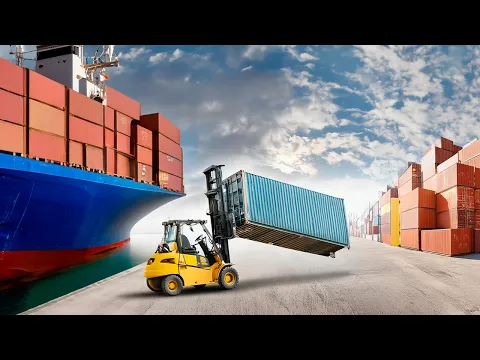

At container terminals, which are intermodal transport hubs, containers switch from one mode of transport to another. This means that a container arriving by ship can be transferred to a truck or train. To unload containers from ships, huge gantry cranes known as STS are used, capable of lifting several tons of cargo.
-
Why can the crane operator only obey the correct signalman on the construction site: among dozens of workers, a hand raised by the wrong person can confuse the maneuver and turn a load of tons into an immediate risk.

-
What changes with the new public transportation rules that can reduce pressure on fares and pave the way for zero fare in Brazil?
-
Three Chinese companies manufacture more than 96% of the world’s dry cargo containers and 100% of refrigerated ones, in a dominance built over 40 years that has made it almost impossible for the West to compete in this market.

-
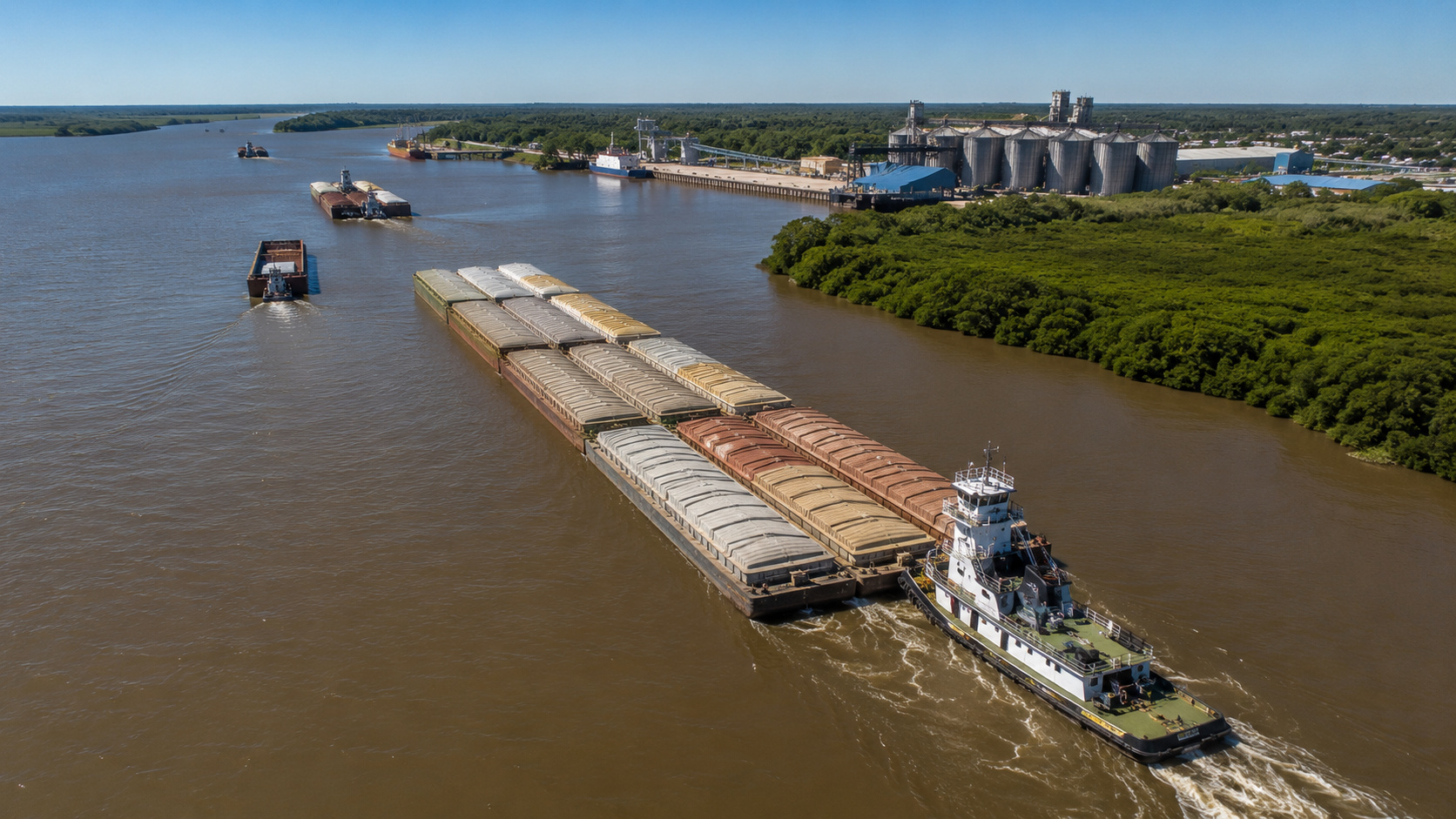
Argentina confirms Belgian giant to lead strategic Paraná River waterway and promises to reduce logistical costs on one of South America’s most important routes

Movement in the Yard
Once unloaded, the containers are moved by specialized vehicles called terminal tractors, which take them to the storage yard. There, they await collection by trucks or trains. In the yard, equipment such as reach stackers and rubber-tired gantry cranes are used to move and load the containers onto the vehicles.
Automation and Efficiency
Many terminals are adopting automation to increase efficiency. At the Port of Rotterdam in the Netherlands, for example, several operations are already automated. An operator remotely controls the STS cranes, and autonomous vehicles (AGVs) transport containers to the storage area. All of this is managed by computer systems that optimize stacking and access to the containers.
Challenges and Adaptations
Despite technological advances, full automation still faces challenges. Unexpected issues can cause delays, and that’s where humans make a difference with their adaptability. Ports are balancing automation with human oversight to ensure greater productivity and safety.
So, folks, now you know a little more about port operations and how the loading and unloading of containers works. It’s amazing to see how this complex logistics keeps the world running!




Be the first to react!