






 Portuguese
  Spanish


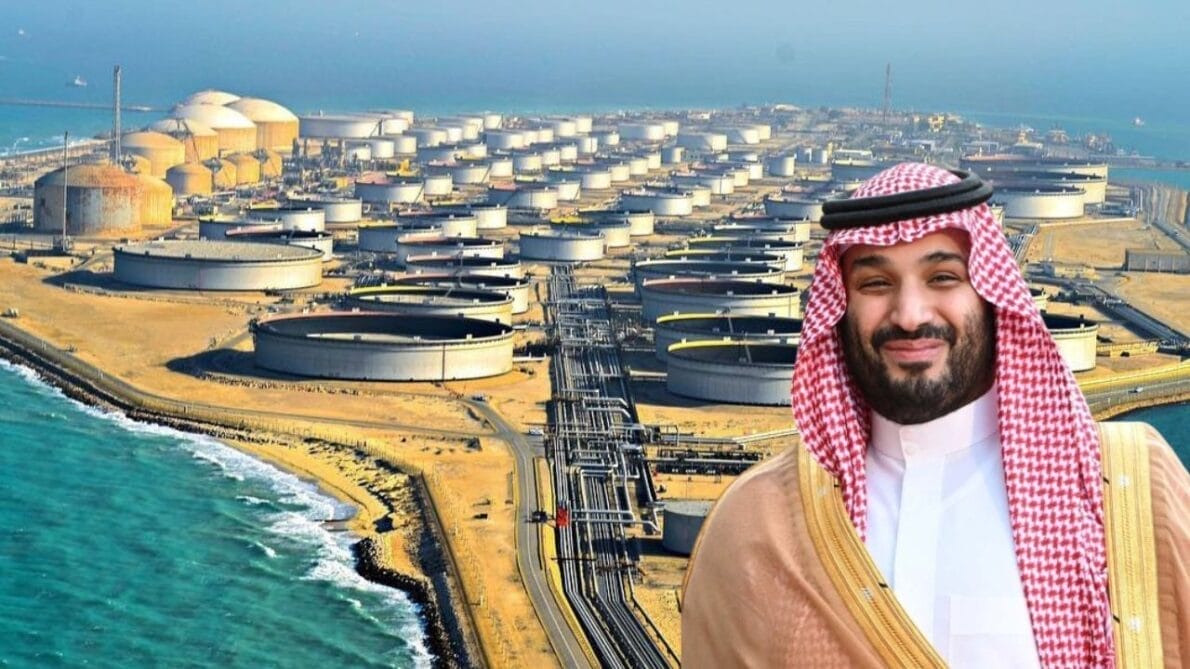


While Electric Cars Slow Down, World’s Largest Oil Company Bets on the Future of Traditional Engines
Do you believe that combustion engines are on their way out? Well, Saudi Aramco does not think so! According to Folha de São Paulo, the largest oil company in the world has just made a bold move, heavily investing in combustion engines. Let’s understand this story.
Saudi Aramco, the largest oil company in the world, is betting that combustion engines will be around for a long time, even with the rise of electric cars. Last month, the oil giant acquired 10% of Horse Powertrain, a company focused on building these engines, for 740 million euros (R$ 4.3 billion). This partnership with Chinese Geely and French Renault aims to meet the demand from automakers that will stop developing their own engines.
Yasser Mufti, executive vice president of Saudi Aramco, explained that completely eliminating combustion engines would be very costly and complicated. He believes that these engines will still have a long life, especially considering factors such as accessibility.
-
Volkswagen to Cut Production by 1 Million Cars by 2030, Reducing Jobs and Platforms, Focusing on More Profitable Models

-
Toyota Launches First 100% Electric Car in Brazil: bZ4X with 343 HP, All-Wheel Drive, 361 km Range, Priced at $419,990 BRL, Limited to 99 Units

-
Chinese SUV Achieves 24.4 km/l, Outperforms Toyota Yaris Cross in Real-World Tests with 224 hp Hybrid System, Offers 51-Liter Tank for Greater Range, and Costs Up to R$ 5,000 Less.
-
Uber Black Revamps Fleet, Drops Ten Car Models and Sets Deadline for Electric BYD Dolphin


What Do Experts Say About Saudi Aramco’s Investment?


Matias Giannini, CEO of Horse, is also confident. According to him, by 2040, more than half of vehicles will still have some type of combustion engine, whether pure, hybrid, or plug-in. Horse is already securing contracts and developing new engines to meet environmental regulations.
The joint venture between Geely and Renault that formed Horse has 19,000 employees and 17 factories around the world, with a capacity to produce 3.2 million engines per year and a goal to reach 5 million. “No one is doing what we are proposing to do,” says Giannini.
Electric Cars vs. Combustion Engines
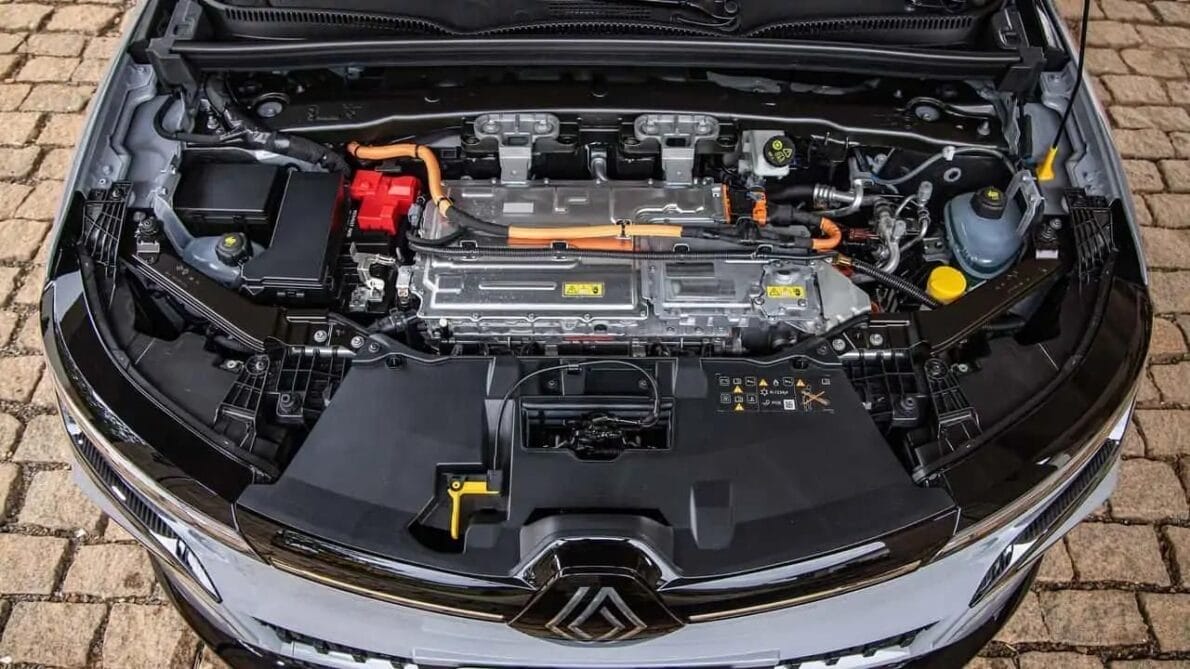
Philippe Houchois, automotive analyst at Jefferies, stated that the transition to electric vehicles is slower than many expected. Smaller automakers, such as Honda and Nissan, may become clients of Horse. Toyota, for instance, is developing new smaller and more efficient hybrid engines.
Meanwhile, Saudi Aramco, the world’s largest oil company, is expanding its global network of fueling stations and investing in research to develop low-carbon and synthetic fuels. Recently, they purchased the lubricant brand Valvoline for US$ 2.65 billion, and all engines from Horse will use Valvoline products in their “first fill.”
A Sustainable Future for Combustion Engines?
Saudi Aramco believes there is still room for significant improvements in combustion engines, making them more competitive against electric cars not only in cost but also in sustainability. They are investing in research laboratories to develop cleaner and more efficient fuels.
So, will combustion engines really disappear, or do they still have a long way to go? Only time will tell, but Saudi Aramco is putting its chips on this bet.





Estou desenvolvendo um.novo conceito de motor a combustão interna.
Muito potente e leve para equipar drones grandes.